Why this Codex Updates round matters for coding-agent teams now
OpenAI's May 21, 2026 Codex Updates links Goal mode, Appshots, Browser Annotations, and locked computer use into a more complete long-running delivery loop.
Browse all articles and practical guides in AI Coding.
OpenAI's May 21, 2026 Codex Updates links Goal mode, Appshots, Browser Annotations, and locked computer use into a more complete long-running delivery loop.
WildClawBench evaluates coding agents on 60 real long-horizon tasks and then re-runs those tasks across multiple harnesses, which is exactly why teams should stop treating the model name as the whole answer.
Google has brought managed agents into the Gemini API, and the real shift is not “another agent SDK” but a hosted runtime that bundles sandboxing, state, and workflow scaffolding together.
At I/O 2026, Google connected Antigravity 2.0, the CLI, Gemini API managed agents, and AI Studio native Android development into one real workflow.
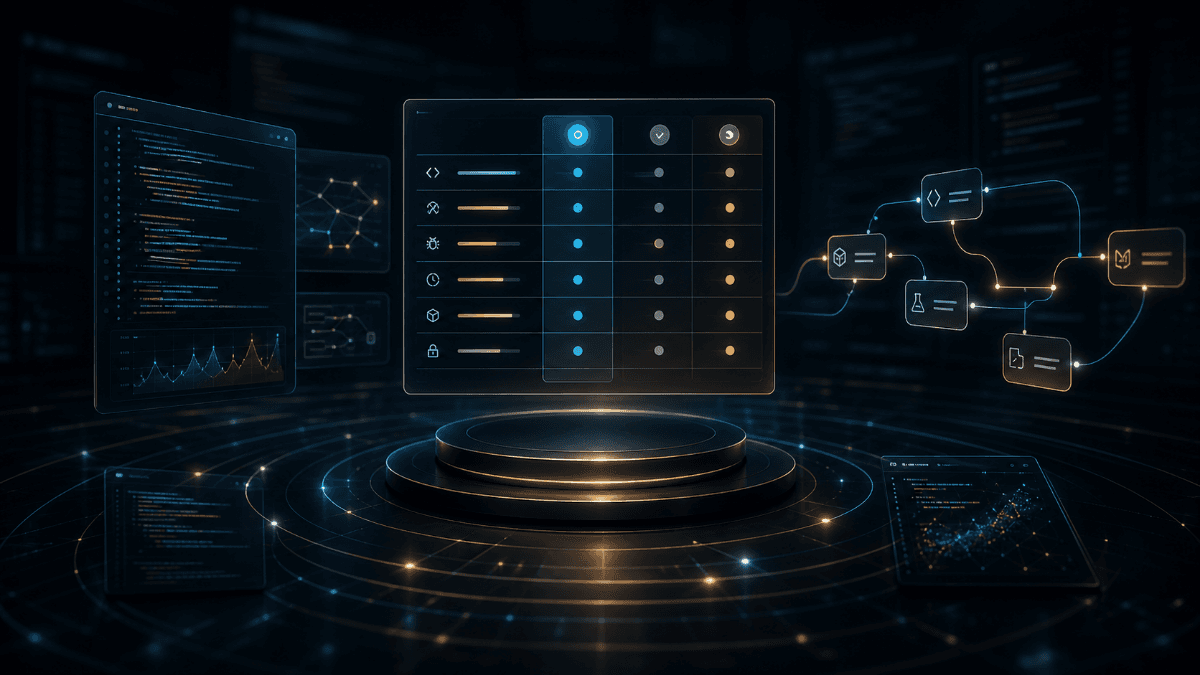
Artificial Analysis launched Coding Agent Benchmarks on May 11, 2026, putting performance, cost, runtime, and harness differences onto one page for coding-agent evaluation.

OpenAI released the Codex mobile preview on May 14, 2026. The real shift is not mobile coding, but a mobile control layer for longer-running coding agents.
Anthropic raised Claude Code limits and paired the update with signals from internal teams and SpaceX. The bigger shift is Claude Code moving toward longer engineering work.
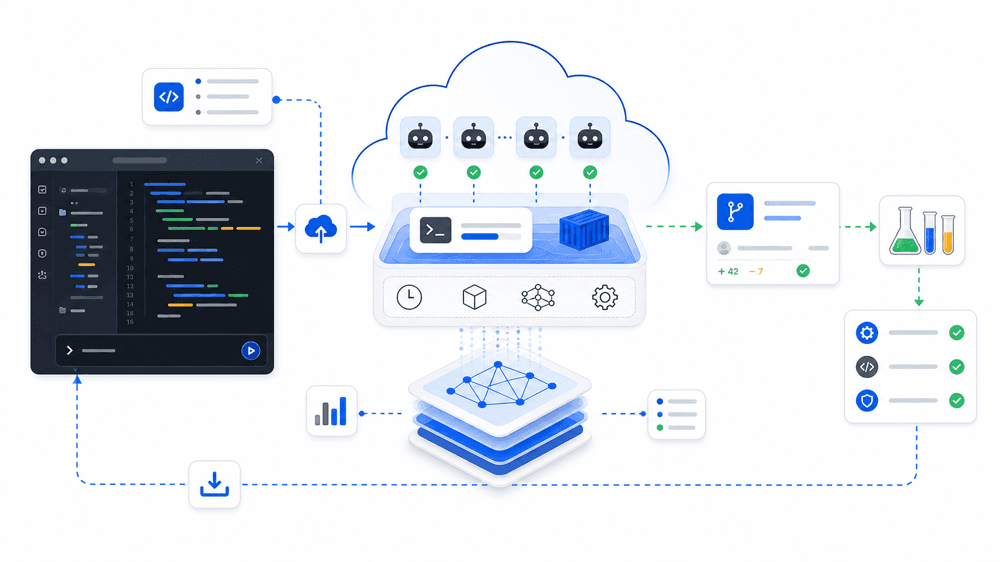
Mistral is bundling Medium 3.5, Vibe remote agents, and Le Chat work mode into one stack, and the interesting part is not the score alone but the move away from purely local IDE loops.
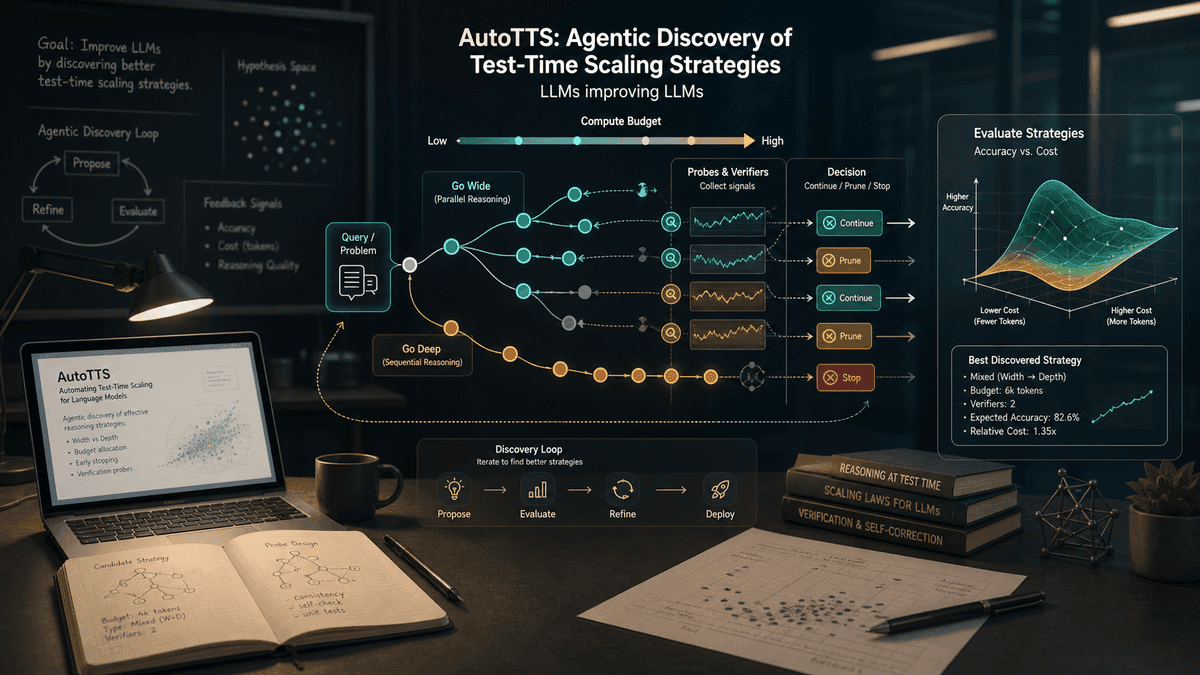
A new arXiv paper proposes AutoTTS, an agentic framework for discovering test-time scaling strategies, with useful lessons for AI coding workflows and evaluation.
Google DeepMind's AlphaEvolve update shows how Gemini-powered coding agents are moving from code generation toward measurable algorithm optimization.
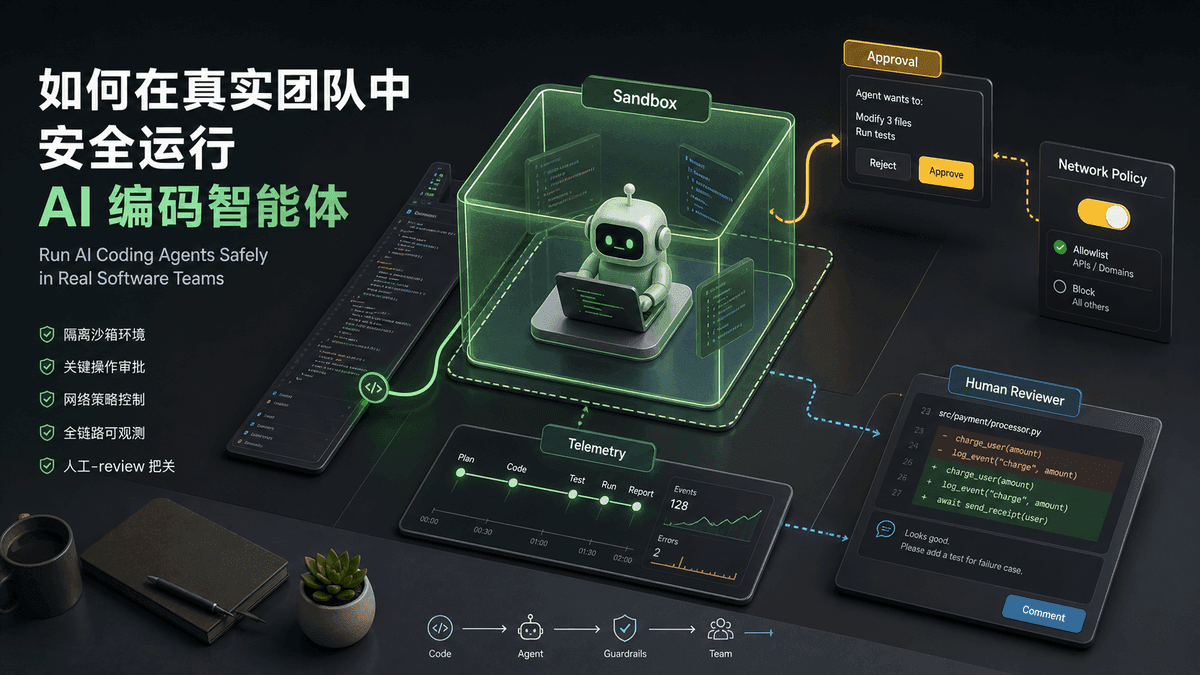
OpenAI described how it runs Codex with sandboxing, approvals, network policies, and agent-aware telemetry, offering a useful operating model for teams adopting coding agents.
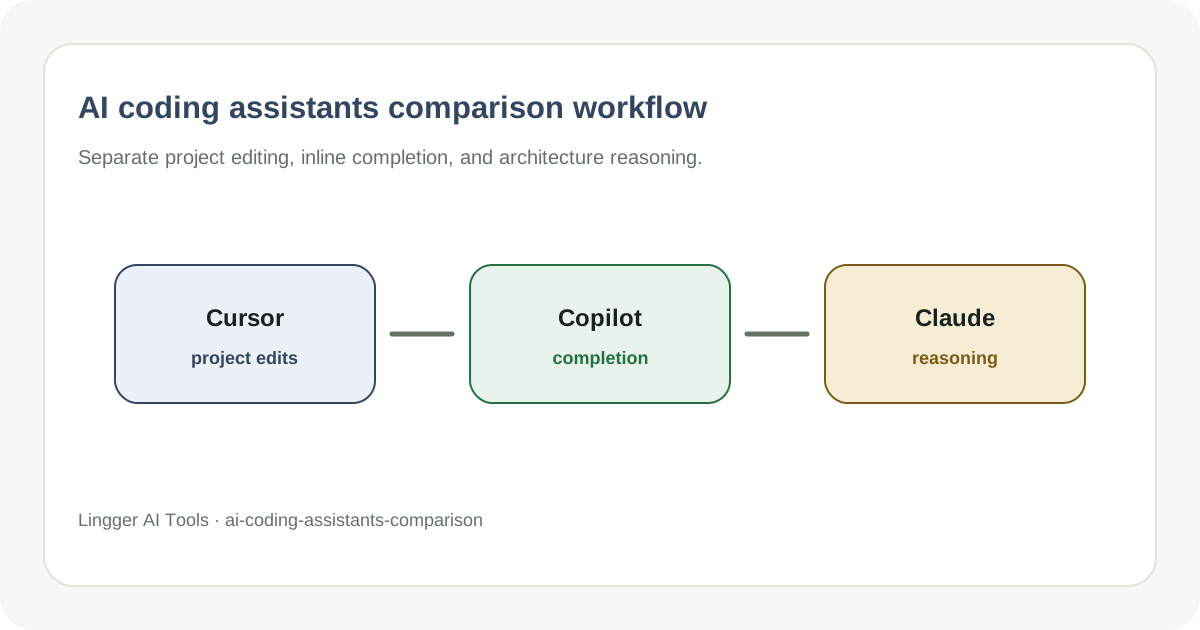
Compare AI coding assistants by project context, editing flow, and team integration.
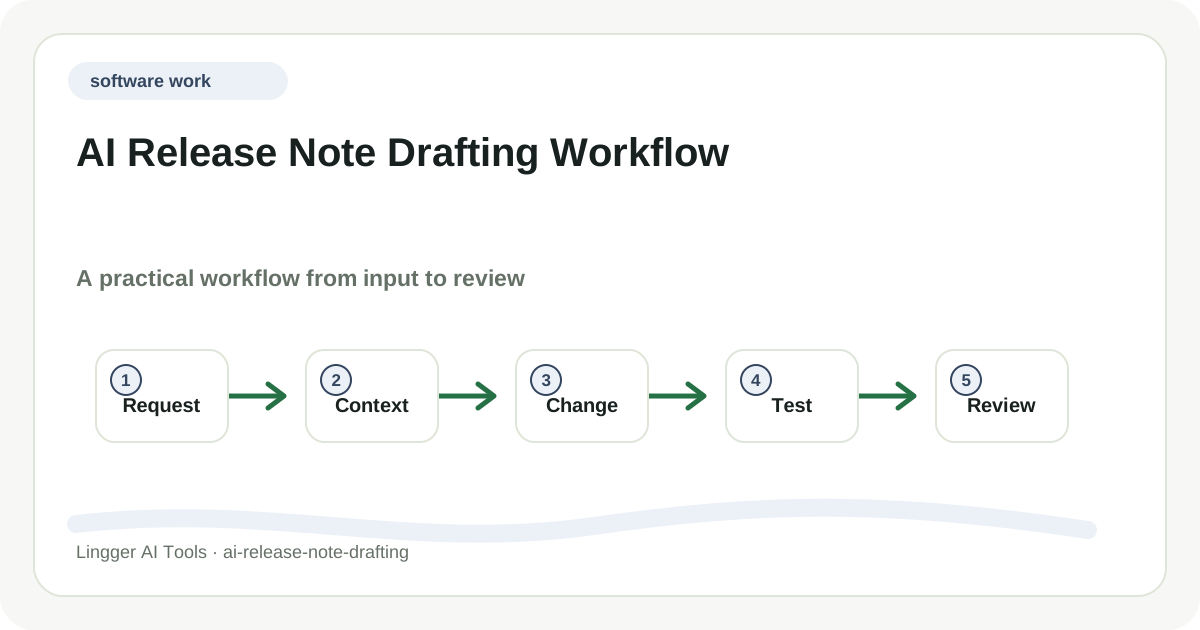
A practical guide to AI release note drafting workflow, with task boundaries, tool roles, review checks, and a workflow your team can actually try.
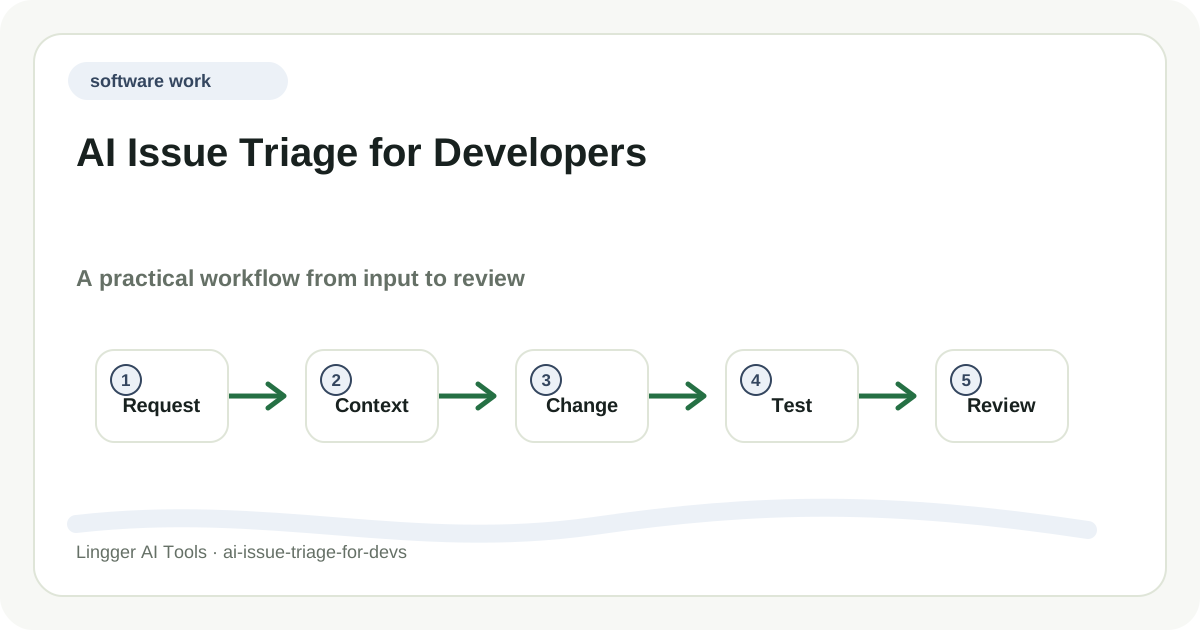
A practical guide to AI issue triage for developers, with task boundaries, tool roles, review checks, and a workflow your team can actually try.
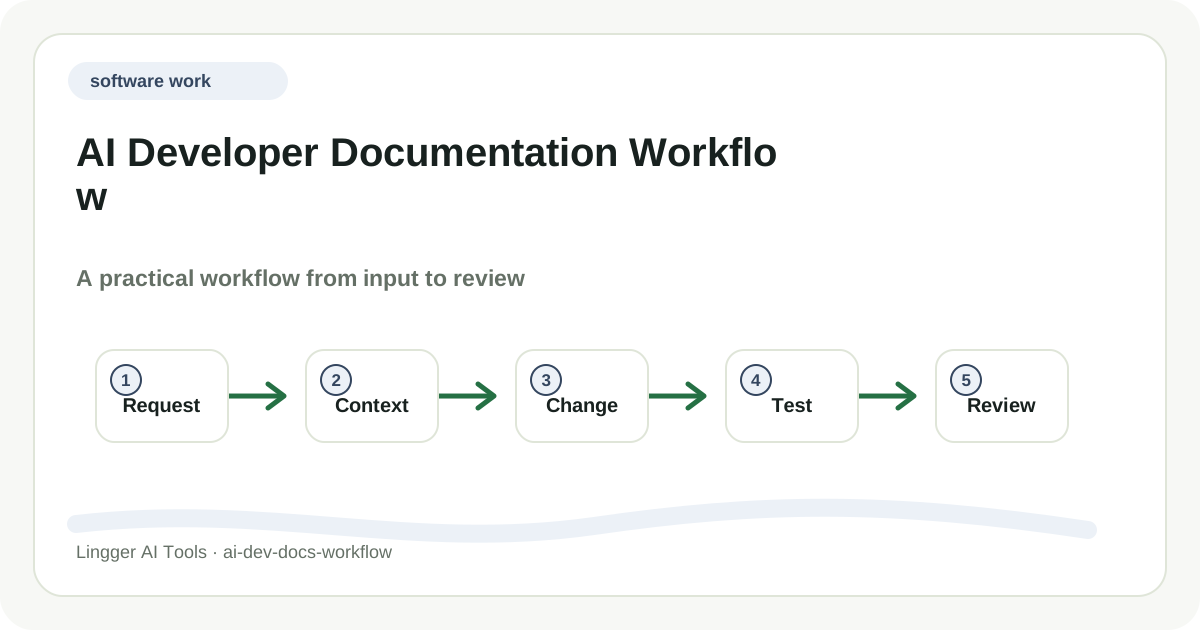
A practical guide to AI developer documentation workflow, with task boundaries, tool roles, review checks, and a workflow your team can actually try.
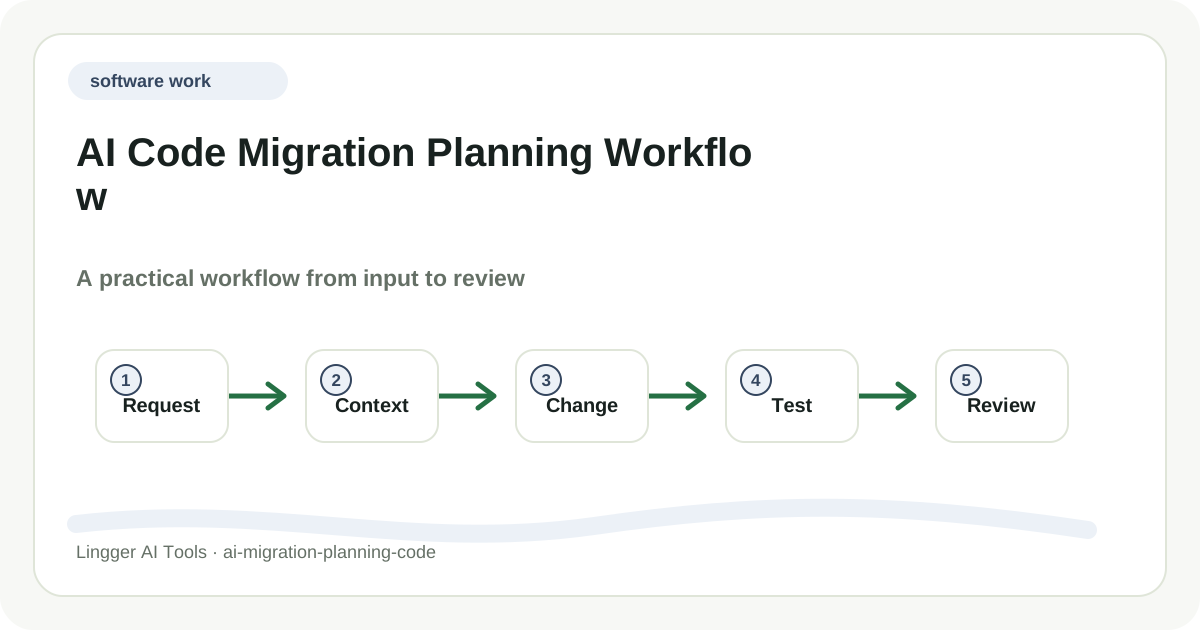
A practical guide to AI code migration planning workflow, with task boundaries, tool roles, review checks, and a workflow your team can actually try.
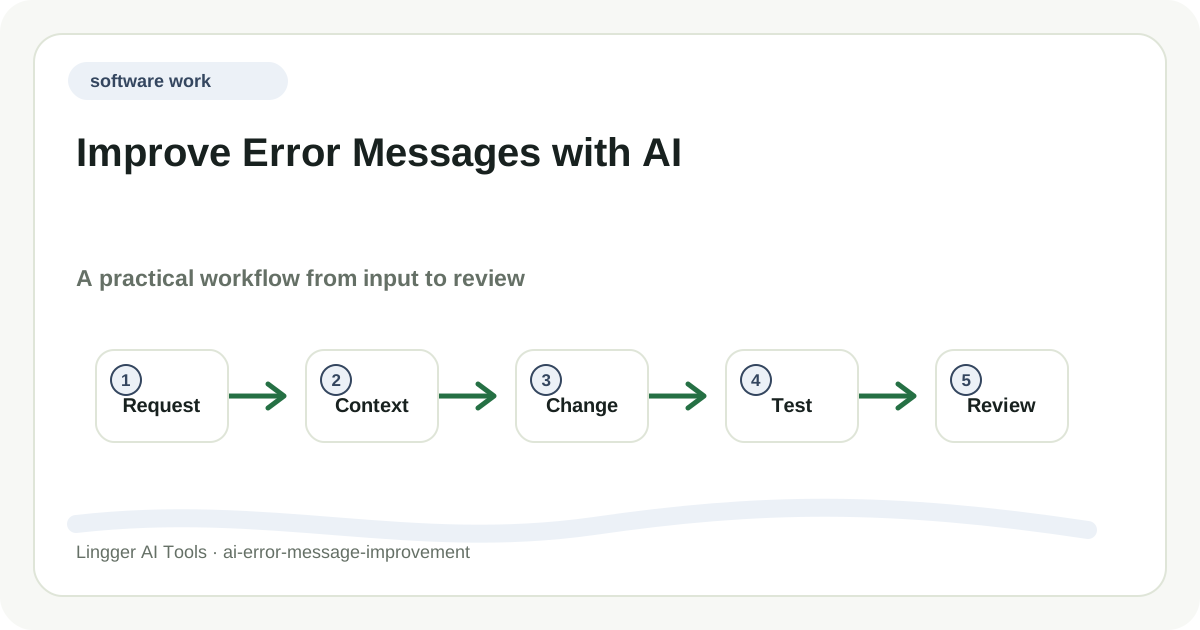
A practical guide to improve error messages with AI, with task boundaries, tool roles, review checks, and a workflow your team can actually try.
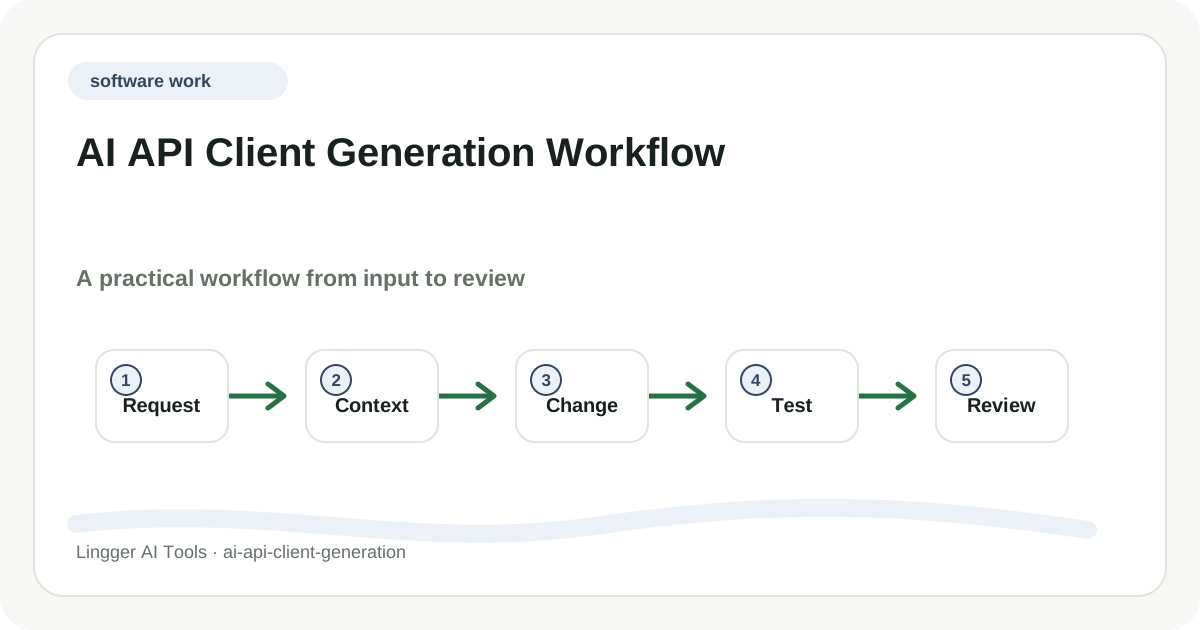
A practical guide to AI API client generation workflow, with task boundaries, tool roles, review checks, and a workflow your team can actually try.
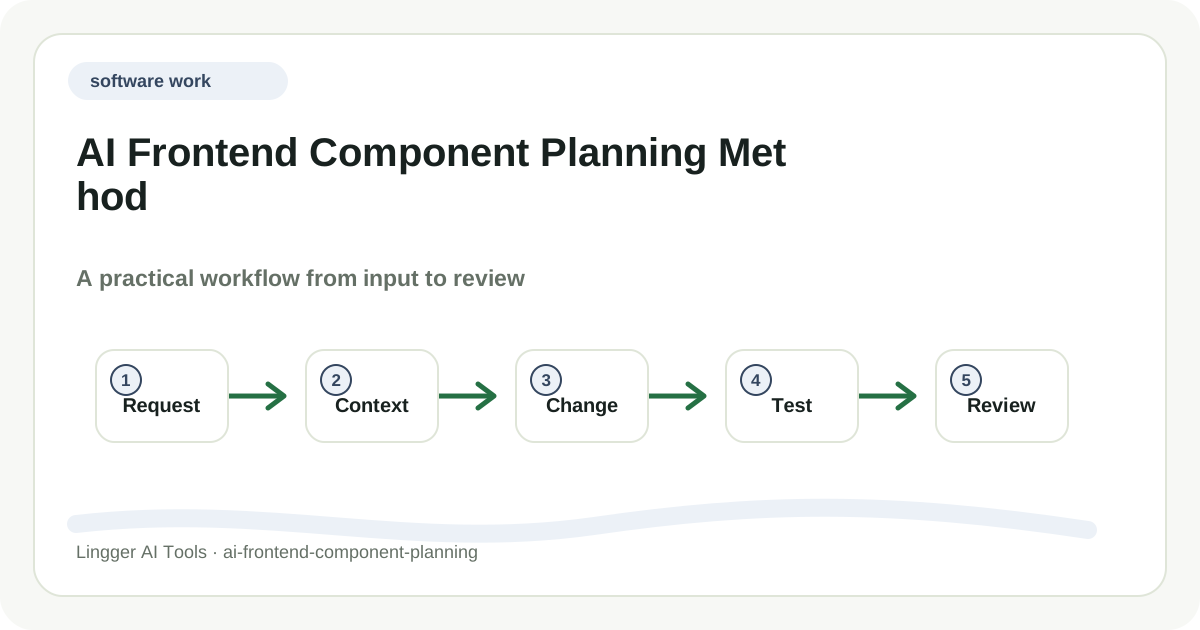
A practical guide to AI frontend component planning method, with task boundaries, tool roles, review checks, and a workflow your team can actually try.
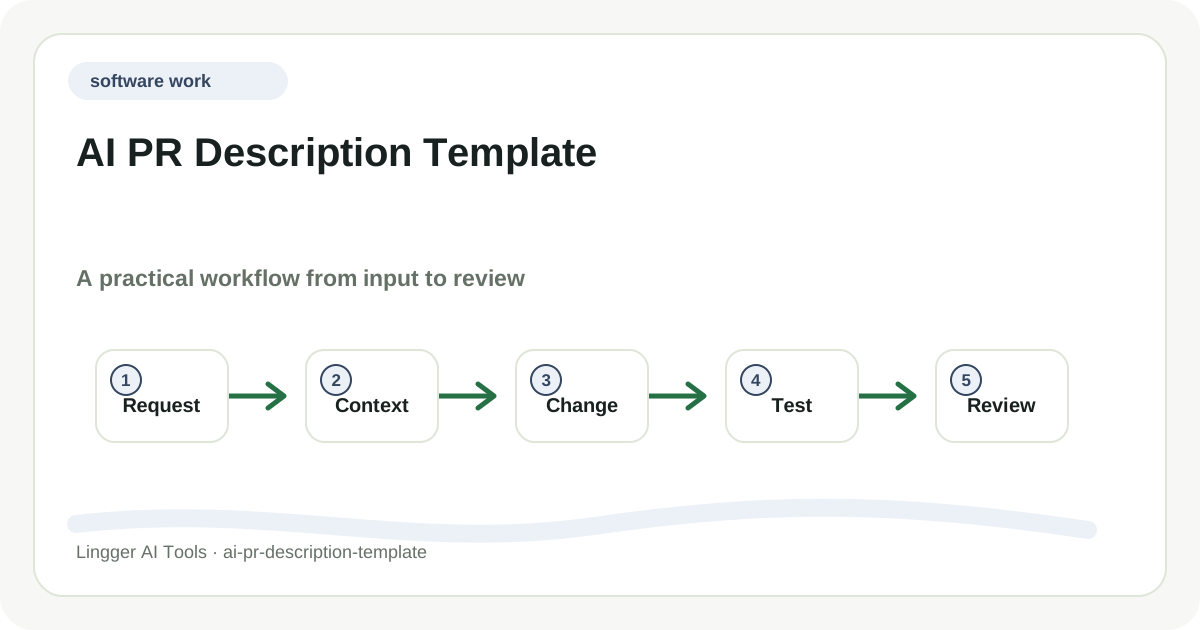
A practical guide to AI PR description template, with task boundaries, tool roles, review checks, and a workflow your team can actually try.
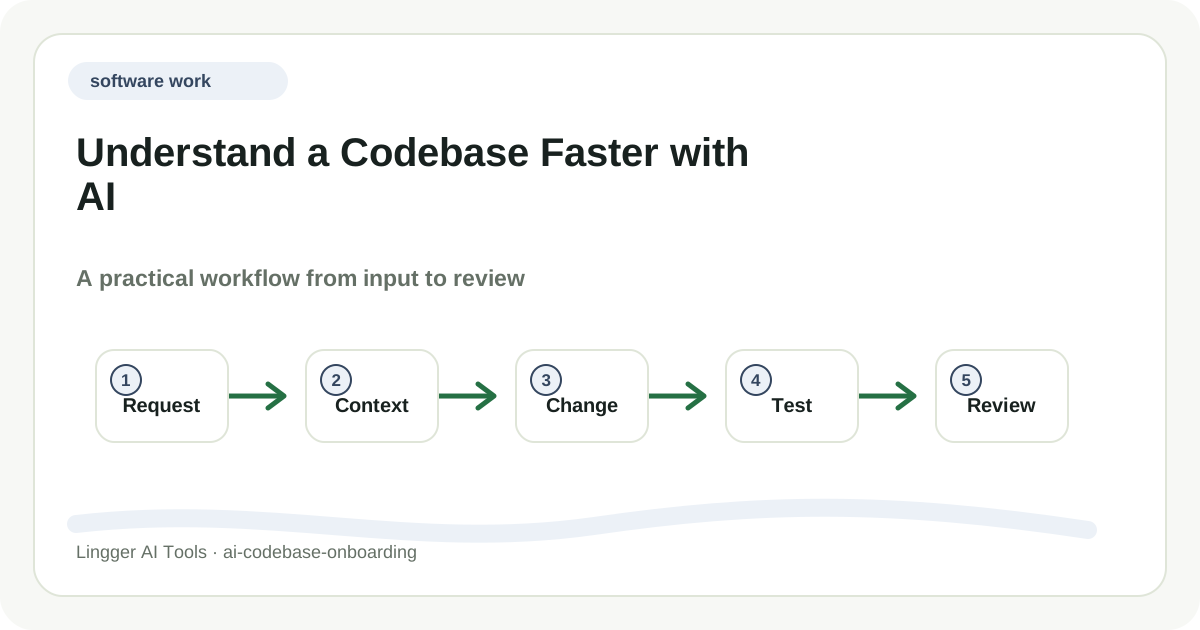
A practical guide to understand a codebase faster with AI, with task boundaries, tool roles, review checks, and a workflow your team can actually try.
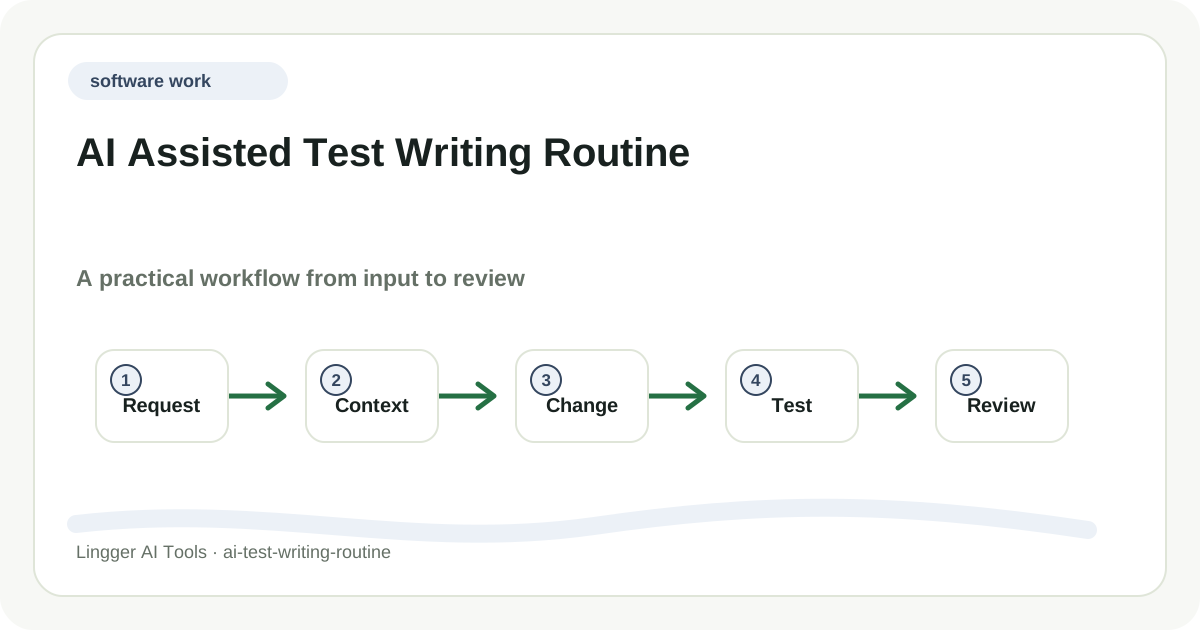
A practical guide to AI assisted test writing routine, with task boundaries, tool roles, review checks, and a workflow your team can actually try.
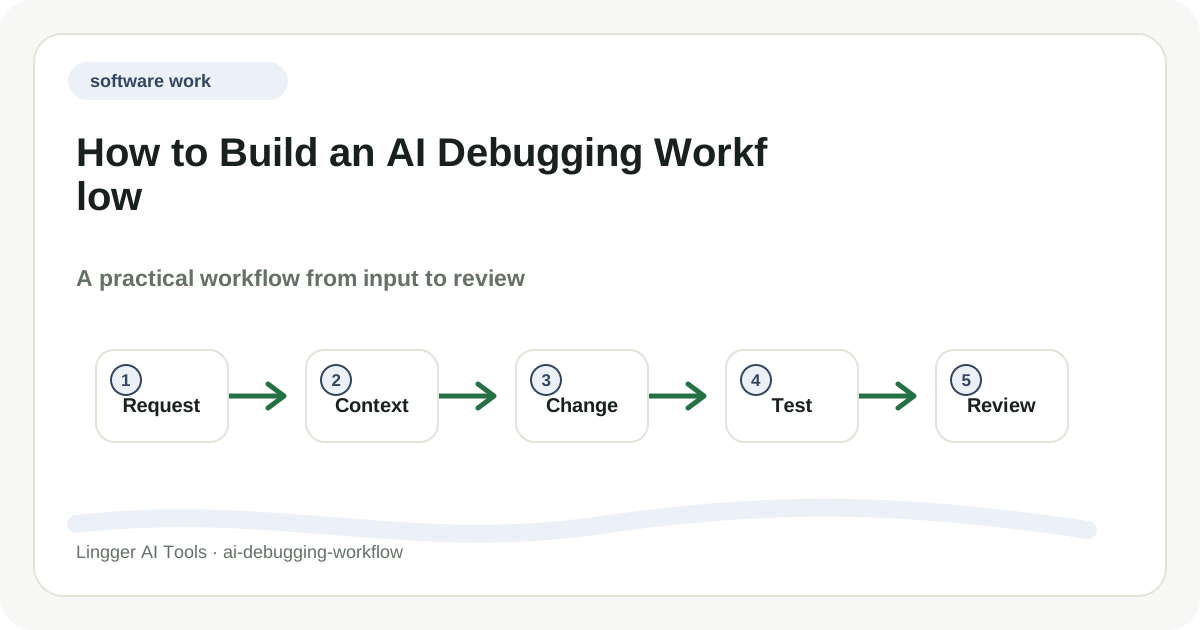
A practical guide to how to build an AI debugging workflow, with task boundaries, tool roles, review checks, and a workflow your team can actually try.
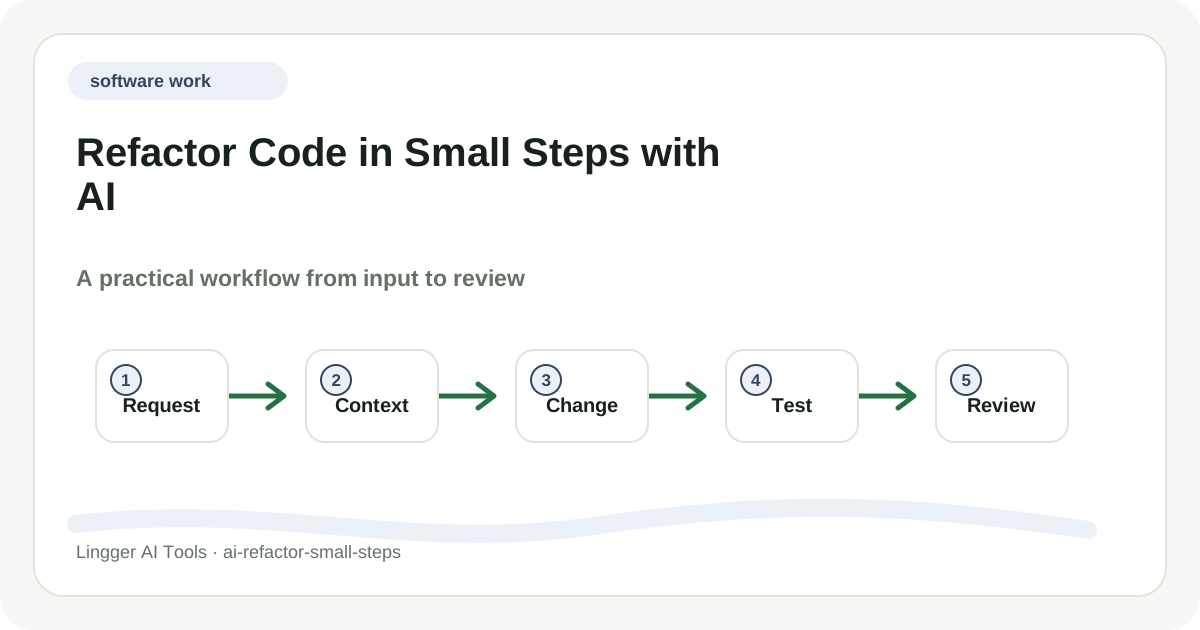
A practical guide to refactor code in small steps with AI, with task boundaries, tool roles, review checks, and a workflow your team can actually try.
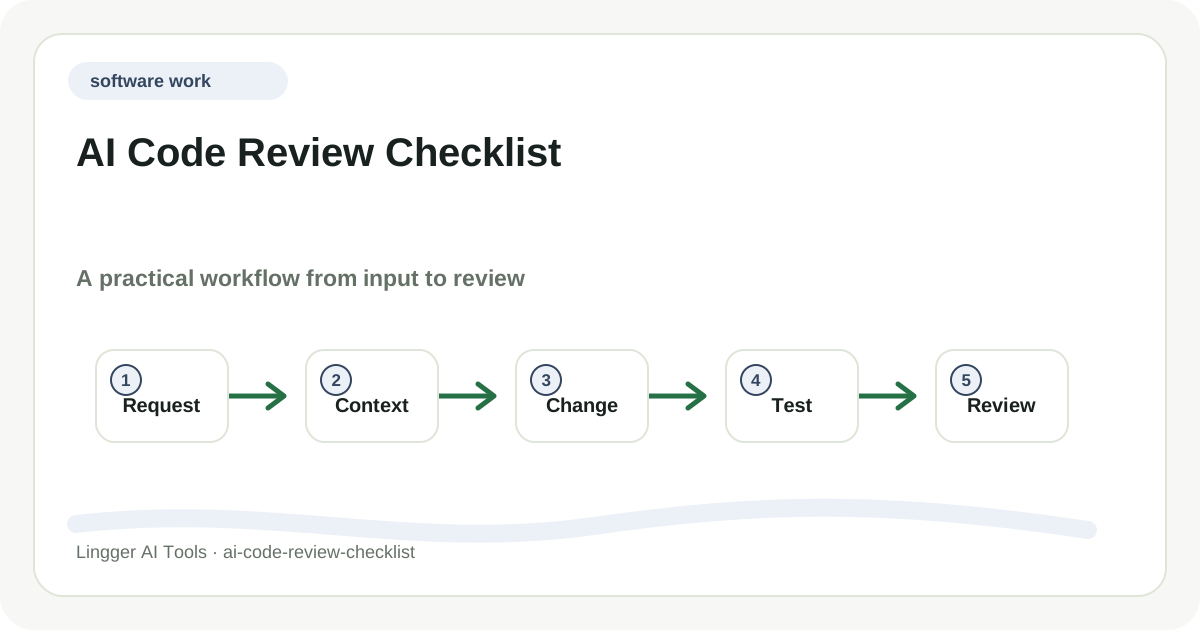
A practical guide to AI code review checklist, with task boundaries, tool roles, review checks, and a workflow your team can actually try.