Why this Codex Updates round matters for coding-agent teams now
OpenAI's May 21, 2026 Codex Updates links Goal mode, Appshots, Browser Annotations, and locked computer use into a more complete long-running delivery loop.
AI Use Case
Compare AI coding assistants for solo developers and engineering teams.
An AI-native code editor designed for project-level development workflows.
Understand modules, generate patches, explain errors, and assist multi-file refactors inside a real codebase.
An AI coding assistant for popular editors and GitHub workflows.
OpenAI's May 21, 2026 Codex Updates links Goal mode, Appshots, Browser Annotations, and locked computer use into a more complete long-running delivery loop.
WildClawBench evaluates coding agents on 60 real long-horizon tasks and then re-runs those tasks across multiple harnesses, which is exactly why teams should stop treating the model name as the whole answer.
Google has brought managed agents into the Gemini API, and the real shift is not “another agent SDK” but a hosted runtime that bundles sandboxing, state, and workflow scaffolding together.
At I/O 2026, Google connected Antigravity 2.0, the CLI, Gemini API managed agents, and AI Studio native Android development into one real workflow.
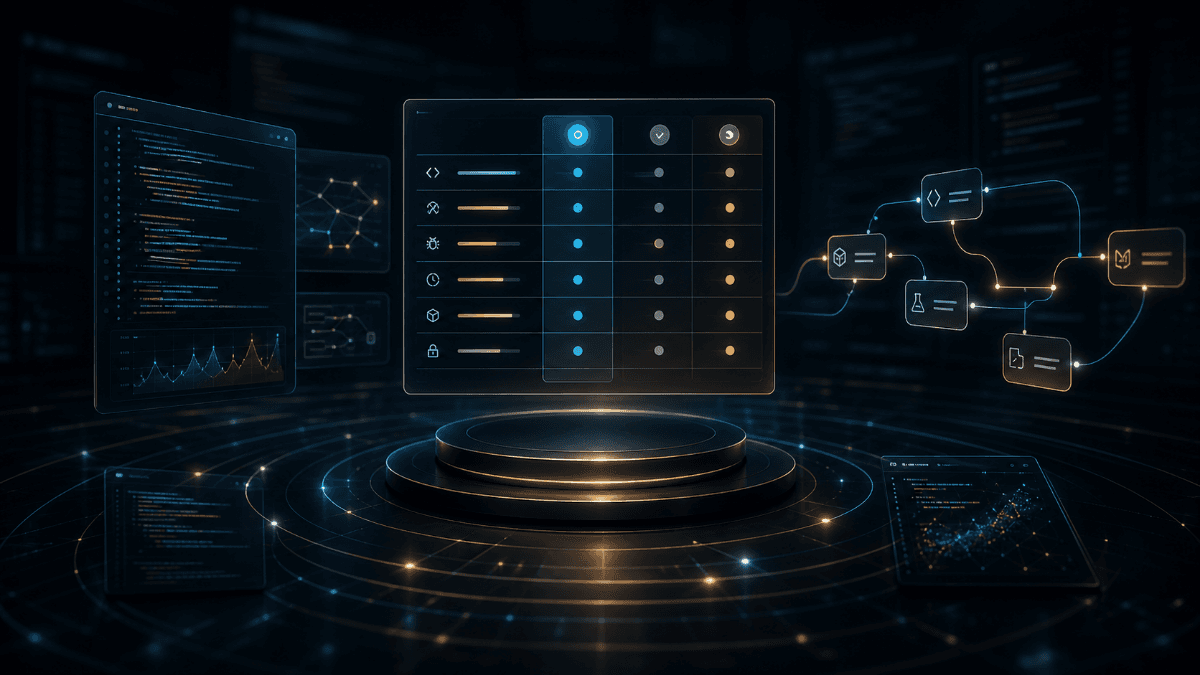
Artificial Analysis launched Coding Agent Benchmarks on May 11, 2026, putting performance, cost, runtime, and harness differences onto one page for coding-agent evaluation.

OpenAI released the Codex mobile preview on May 14, 2026. The real shift is not mobile coding, but a mobile control layer for longer-running coding agents.