OpenAI published Scaling Trusted Access for Cyber with GPT-5.5 and GPT-5.5-Cyber on May 7, 2026. At first glance, this looks narrow enough to ignore unless you work in cybersecurity. That would be a mistake. The feature itself is specialized, but the decision framework behind it is useful far beyond security teams.
For readers of this site, this is not a “go buy this model now” story. It is a “how should enterprises decide whether AI belongs inside a sensitive workflow” story. That makes it highly relevant to AI automation, model selection, and workflow design.
The interesting part is not the model name
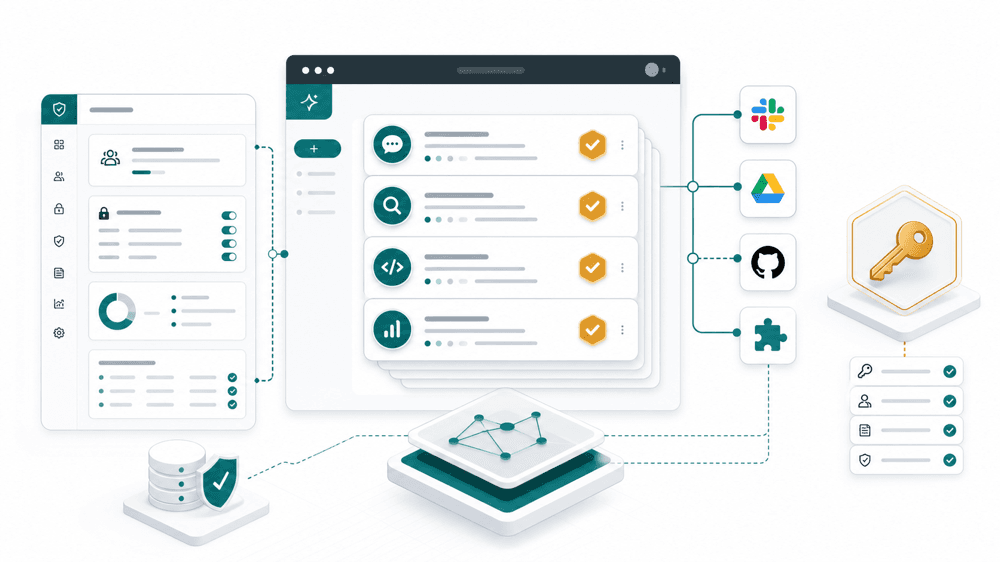
If you focus only on GPT-5.5 or GPT-5.5-Cyber as model labels, the update reads like a routine capability post. The more important concept is Trusted Access for Cyber itself. OpenAI is not presenting this as unrestricted access for everyone. It is framing stronger model capability inside a controlled path for verified defensive research.
That matters because it highlights a truth enterprises keep running into: capability alone is never the only gate in higher-risk workflows. Organizations care about who can use the system, for what purpose, within what boundary, under what supervision, and with what review path when something goes wrong.
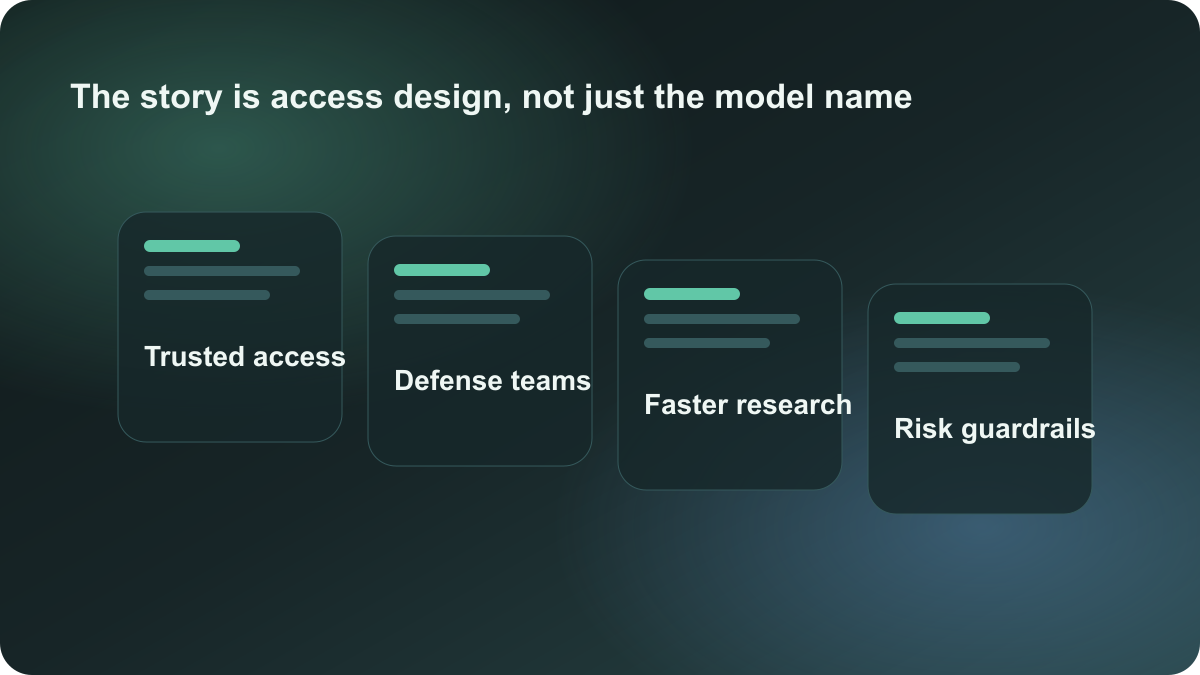
That logic is not unique to cyber. Any organization trying to put AI inside a sensitive process will eventually ask the same questions. Security research just forces those questions earlier and more explicitly.
Why general teams should still care
A common reaction is: “We are not doing vulnerability research, so this is not our problem.” But the value of this release for general teams is not the specific cyber model. It is the more mature enterprise evaluation pattern it demonstrates.
Many AI pilots still get judged on three things:
- is the model strong enough
- is the cost acceptable
- is the integration easy enough
Updates like Trusted Access for Cyber force a fourth category back into the room:
- is the capability behind a controlled entry point
- who is allowed to use it
- what is explicitly in scope or out of scope
- where is the human handoff when outputs become sensitive
If security teams are now evaluating AI with that lens, other enterprise workflows will follow. Contracts, finance reviews, support escalation, legal drafting, and internal knowledge operations may have lower risk than cyber, but they still need the same style of boundary thinking.
How this connects to ChatGPT, Claude, and Make
This news does not mean ChatGPT or Claude should suddenly be dropped into every sensitive workflow. A better reading is that OpenAI is modeling an enterprise access pattern, and other teams can apply the same thinking to the tools they already use.
Many teams already use ChatGPT for research drafts, document summaries, or first-pass analysis. They may also use Make to route AI output into approval, notification, or field-processing flows. That setup stays shallow if the only question is “which model answers better.” A stronger workflow needs boundary design:
- which steps may only suggest, not act
- which outputs must be reviewed by a person
- which failures must be logged and revisited
- which teams or accounts are allowed to run the workflow first
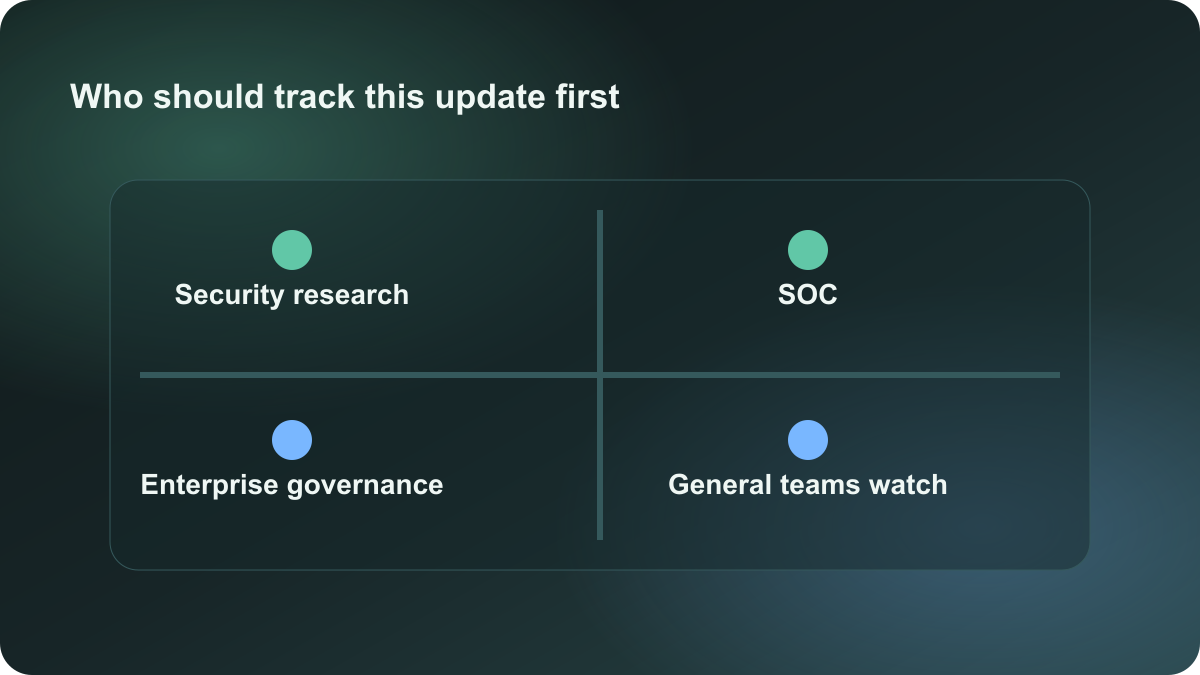
That is why this article links to chatgpt, claude, and make. The story is not just about a model. It is about how organizations insert model capability into real operating systems.
The practical follow-up for enterprise teams
If you lead AI rollout inside a company, this release translates into a direct question: do we already have internal workflows that are drifting toward high-sensitivity judgment, while we are still treating them like casual AI trials?
The most common mistakes look like this:
- Sensitive workflows still use the same open entry point as routine AI tasks.
- Outputs move too quickly toward action without human review.
- Teams benchmark model quality but do not define access boundaries or failure handling.
A better path is to classify workflows. Low-risk workflows can keep using general assistants for summaries, drafts, and sorting. Medium-risk workflows add approvals, logging, and review. Higher-risk workflows start with tighter access, clearer owners, and suggestion-only or read-only modes before anything more aggressive.
Why this is worth publishing today
This article earns a slot because it comes from an official OpenAI source, the date is clear, and the implication is broader than a routine model announcement. Some of the most valuable “hot” stories are not mass-market product launches. They are the ones that quietly change how enterprises think about adoption.
That is what this release does. It signals that enterprise AI competition keeps moving from “who is strongest” toward “who can be placed inside a real process with boundaries.” Once that standard becomes normal, ordinary teams will also stop comparing AI tools only by output quality and start comparing them by access design, review points, and failure recovery.
Sources:
- OpenAI: Scaling Trusted Access for Cyber with GPT-5.5 and GPT-5.5-Cyber