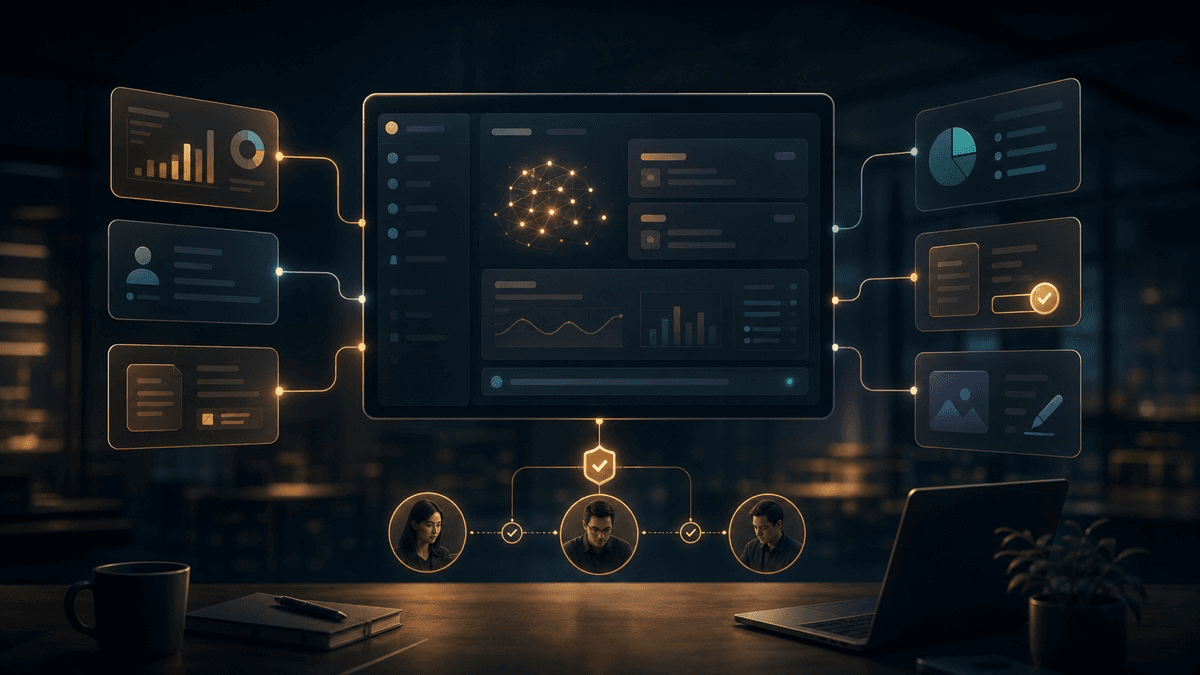
Anthropic published Anthropic acquires Stainless on May 18, 2026. On the surface, it looks like a standard developer-tools acquisition. But Anthropic's first paragraph already explains why it matters more than that: agents are only as capable as the systems they can reach. This is not Anthropic buying another model team. It is Anthropic buying a critical layer of SDK and MCP server tooling.
For site readers, the value is not “Claude got bigger.” The value is that this pushes AI tool evaluation one layer down the stack. When teams compare Claude, Zapier, or Make, the question can no longer stop at prompts, model quality, or polished demos. It now has to include the connectivity layer: how usable the SDKs are, how stable the CLIs are, and whether MCP support is treated as a first-class surface.
What actually changed
Anthropic's announcement is unusually concrete:
- It describes Stainless as a leader in SDKs and MCP server tooling.
- Anthropic says Stainless has powered every official Anthropic SDK since the earliest days of the API.
- The post says hundreds of companies rely on Stainless to generate SDKs, CLIs, and MCP servers.
- Stainless turns one API spec into SDKs across TypeScript, Python, Go, Java, Kotlin, and more.
- Anthropic explicitly ties the acquisition to agent reach, not just developer convenience.
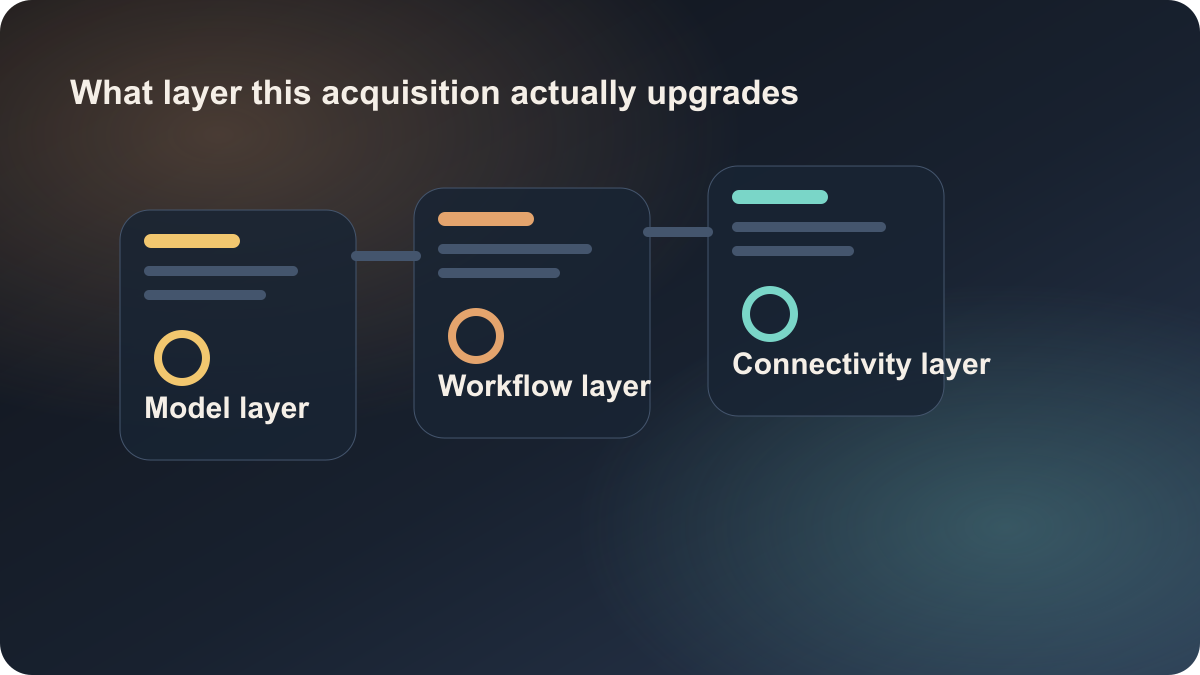
That means the story is not “another platform feature.” It is the infrastructure between Claude and the outside world. In a lot of agent discussions, teams spend most of their attention on reasoning, planning, and code generation. But the layer that often determines whether an agent is actually usable is much more boring: complete SDKs, reliable CLIs, stable MCP servers, and docs that reduce integration friction.
Why this is not a normal acquisition story
If this were just a logo-on-logo partnership update, it would not deserve its own post. But both Anthropic and Stainless are pointing to the same direction: this is a Claude Platform move.
Anthropic frames the deal around helping developers and agents use APIs better. Stainless says it will focus on Claude Platform capabilities and connecting agents to APIs. More importantly, Stainless also says it will wind down its hosted products, including its SDK generator, and that new signups, projects, and SDKs are no longer available starting May 18, 2026. For existing Stainless customers, that is not abstract positioning. It is an immediate workflow and migration issue.
That makes this important for engineering and platform teams in two ways:
- Anthropic is expanding its competitive story from the model layer into the connectivity layer.
- Teams that depend on Stainless-managed products now need a transition plan, not just curiosity.
This also looks more meaningful when paired with existing site coverage like Claude for Small Business finally looks like a usable product and Why Anthropic's PwC rollout matters. Anthropic is not making random moves. It is strengthening three layers at once: workflow entry points, enterprise deployment structure, and the SDK / CLI / MCP foundation underneath them.
What regular teams should learn from it
The biggest lesson is not “switch to Claude today.” The bigger lesson is that teams need to ask better product questions. A lot of AI tool evaluations still sound like this:
- Which model is smartest?
- Which chat surface feels best?
- Which agent demo looks the most impressive?
But if your real goal is a production workflow, the better questions are:
- Do the official SDKs cover the languages and integrations we actually use?
- Are the CLI and MCP server surfaces stable enough for a team workflow?
- Do docs, examples, and generated clients reduce glue work for engineers?
- If the platform direction changes, do we have migration and rollback room?
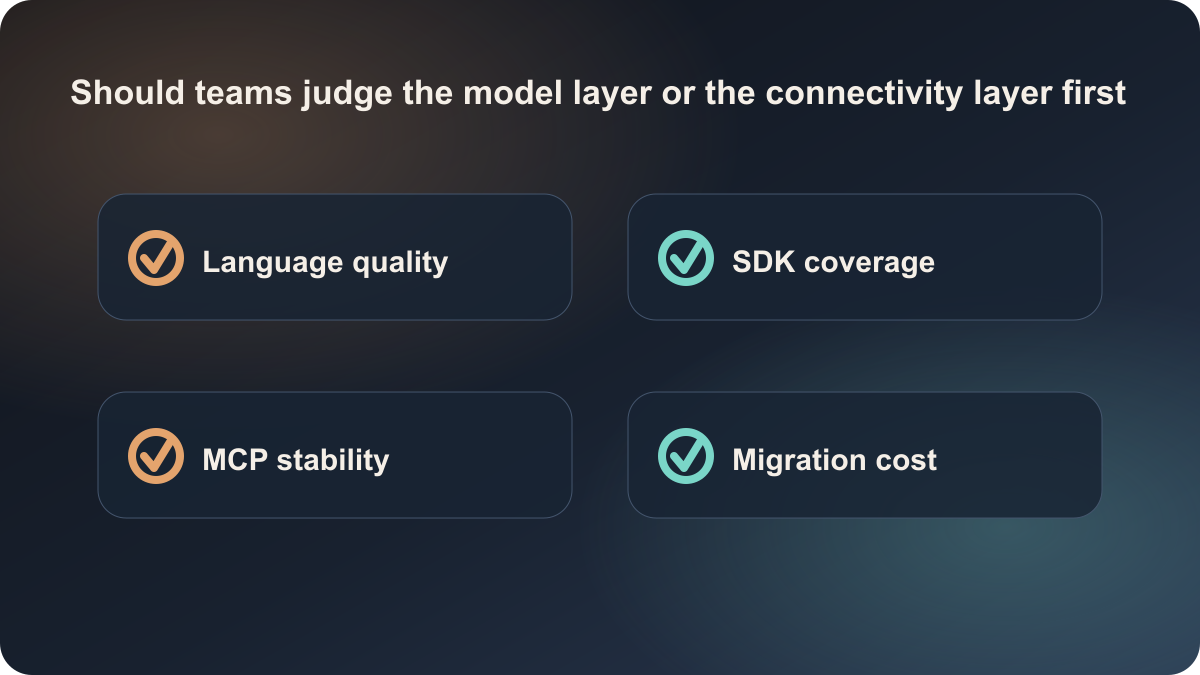
That is why this post points relatedTools to claude, zapier, and make, not to a generic trending assistant page. The reader problem here is not “which chat app should I open.” It is “when an agent needs to act on real systems, which part should be handled by the language layer, which by the connectivity layer, and which by workflow orchestration.”
If your team already uses Zapier or Make for structured triggers, field mapping, and cross-system actions, this acquisition is a reminder that the bottleneck for language-driven agents may not be the model at all. It may be the integration layer. And if your pain point has been “Claude is smart, but connecting it to internal APIs is fragile or expensive to maintain,” then this announcement matters more than a routine model update.
What to do next
If you are already using Claude Platform or Stainless, there are three useful next steps:
- Inventory the APIs, SDKs, and docs sites that still depend on hosted Stainless capabilities.
- Turn your SDK generation, CLI distribution, and MCP server plans into an explicit migration checklist.
- Promote connectivity maturity into a hard buying criterion when you compare agent platforms.
If you are earlier in your adoption path, start with one practical exercise: take a workflow you want an agent to execute for real, then split the bottlenecks into model problems, connectivity problems, and orchestration problems. That will tell you much faster whether you should deepen Claude usage first or stabilize the workflow chassis with Zapier or Make.
This topic is worth publishing today because it tells a very clear story about the next phase of agent competition. The question is no longer just who can talk the best. It is who can connect, ship, and stay maintainable once the agent has to touch real systems.
Sources:
- Anthropic: Anthropic acquires Stainless
- Stainless: Stainless is joining Anthropic