AI Sales Follow Up System should reduce operational ambiguity before it reduces clicks. Automation becomes fragile when the team rushes to connect tools without deciding who owns inputs, retries, exceptions, and human approval.
I would not ask Notion AI to solve AI Sales Follow Up System as one oversized request. A better setup gives each tool a narrower job, keeps the source material visible, and leaves a review trail that another teammate can follow without reading the whole chat transcript.
Start with the real handoff
For AI Sales Follow Up System, begin with the handoff moment. Who fills the form, who receives the result, what system changes state, and what happens when a required field is missing? Those questions keep the AI output grounded in the workflow that people will actually run next week.
A small first run is enough. Pick one real example, one owner, and one visible output. For AI Sales Follow Up System, that means the result should name what was provided, what the model changed, what still needs a human call, and where the work goes next. If those pieces are missing, the output may be fluent, but it is not operational.
Build the working surface
A useful AI Sales Follow Up System workbench has an intake section, a trigger map, a decision table, and an escalation note. Intake captures the raw request. The trigger map explains when automation starts. The decision table shows what the system should do in common cases. The escalation note tells humans where judgment is still required.
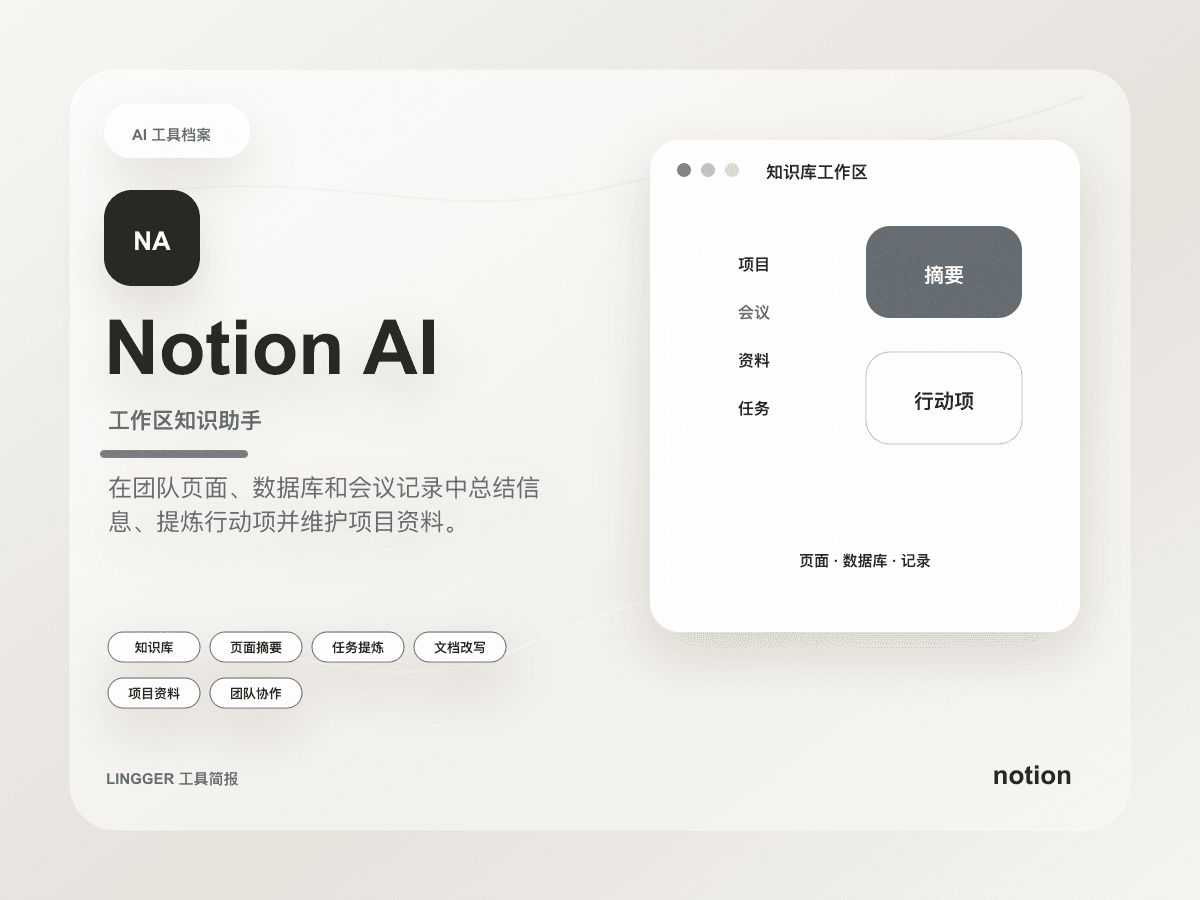
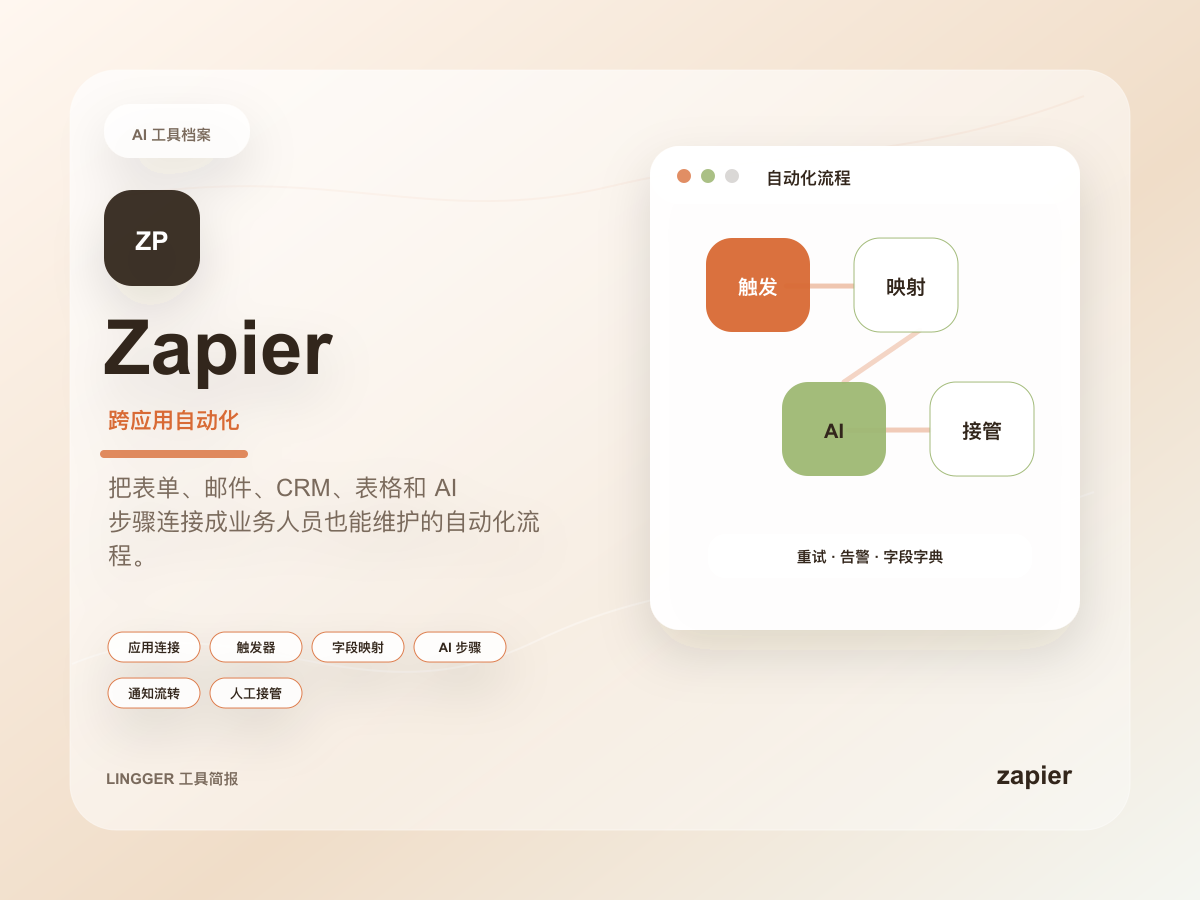
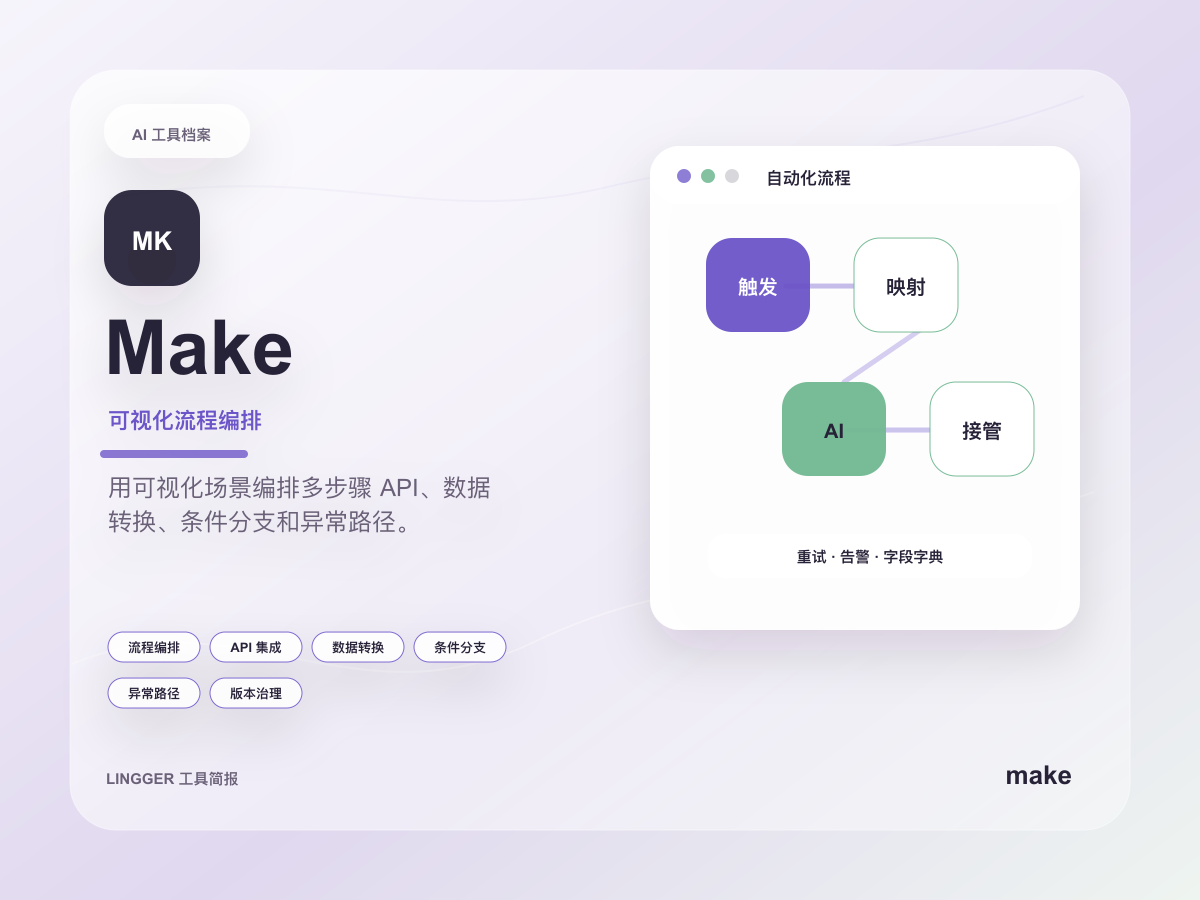
Notion AI can sketch the trigger and action path, but AI Sales Follow Up System needs more than a clean diagram. I would use the second tool to expose missing fields, duplicate records, or approval branches, then ask the final assistant to produce the operator checklist. The tool split keeps automation tied to responsibility, not just connectivity.
Prompt for decisions, not decoration
For AI Sales Follow Up System, ask Notion AI to outline the trigger and action sequence, use the workflow builder to pressure-test missing fields or branches, and let the assistant turn the result into a checklist that an operator can review before anything is switched on.
A good prompt for AI Sales Follow Up System also asks the model to label uncertainty. I want separate sections for confirmed input, proposed output, assumptions, and questions for the human reviewer. That format is less theatrical than a single polished answer, but it is much easier to improve after the first run because weak inputs and weak reasoning are visible.
Review before reuse
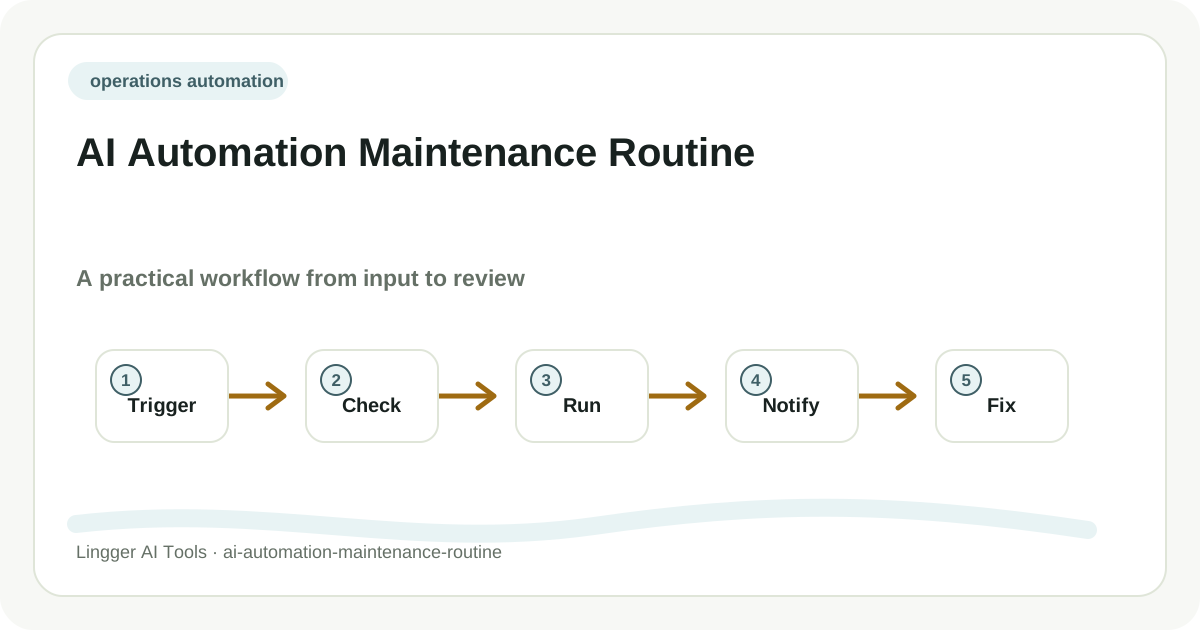
Review AI Sales Follow Up System by walking through real records, not imaginary happy paths. Test an incomplete request, a duplicate request, a late approval, and a handoff to a human owner. The output is ready only when the team can see what happens at each branch and who is responsible for fixing a failed run.
Product details still need a separate check. Notion AI can change feature names, pricing, limits, and availability. For AI Sales Follow Up System, the durable advice is the workflow: where the tool belongs, what evidence it needs, what humans must verify, and how the team records what it learned.
Make the first loop small
The first version of AI Sales Follow Up System should automate the smallest safe slice. Keep a manual checkpoint, run it on a handful of real examples, and document every exception. After that, the improvement is obvious: fewer unclear requests, fewer silent failures, and a workflow that tells the team when not to automate.
After a few passes, AI Sales Follow Up System should leave behind more than output. It should leave examples, rejection notes, and a sharper prompt that reflects how the team actually works. That is the sign the workflow is becoming reusable: not because every paragraph sounds the same, but because each run makes the next decision easier.