AI Document Summary System is valuable when it makes the next human decision lighter. Productivity workflows fail when they create tidy summaries that no one uses, or when they hide uncertainty behind confident formatting.
I would not ask Notion AI to solve AI Document Summary System as one oversized request. A better setup gives each tool a narrower job, keeps the source material visible, and leaves a review trail that another teammate can follow without reading the whole chat transcript.
Start with the real handoff
For AI Document Summary System, start with the person who picks up the output afterward. A manager may need a decision summary, an individual contributor may need next actions, and a team may need open questions. The same notes should not be compressed into one generic answer for everyone.
A small first run is enough. Pick one real example, one owner, and one visible output. For AI Document Summary System, that means the result should name what was provided, what the model changed, what still needs a human call, and where the work goes next. If those pieces are missing, the output may be fluent, but it is not operational.
Build the working surface
A practical AI Document Summary System workbench has context, extraction rules, decision notes, and follow-up ownership. Context explains where the information came from. Extraction rules tell AI what to pull out. Decision notes separate facts from interpretation. Ownership prevents the summary from becoming a dead document.
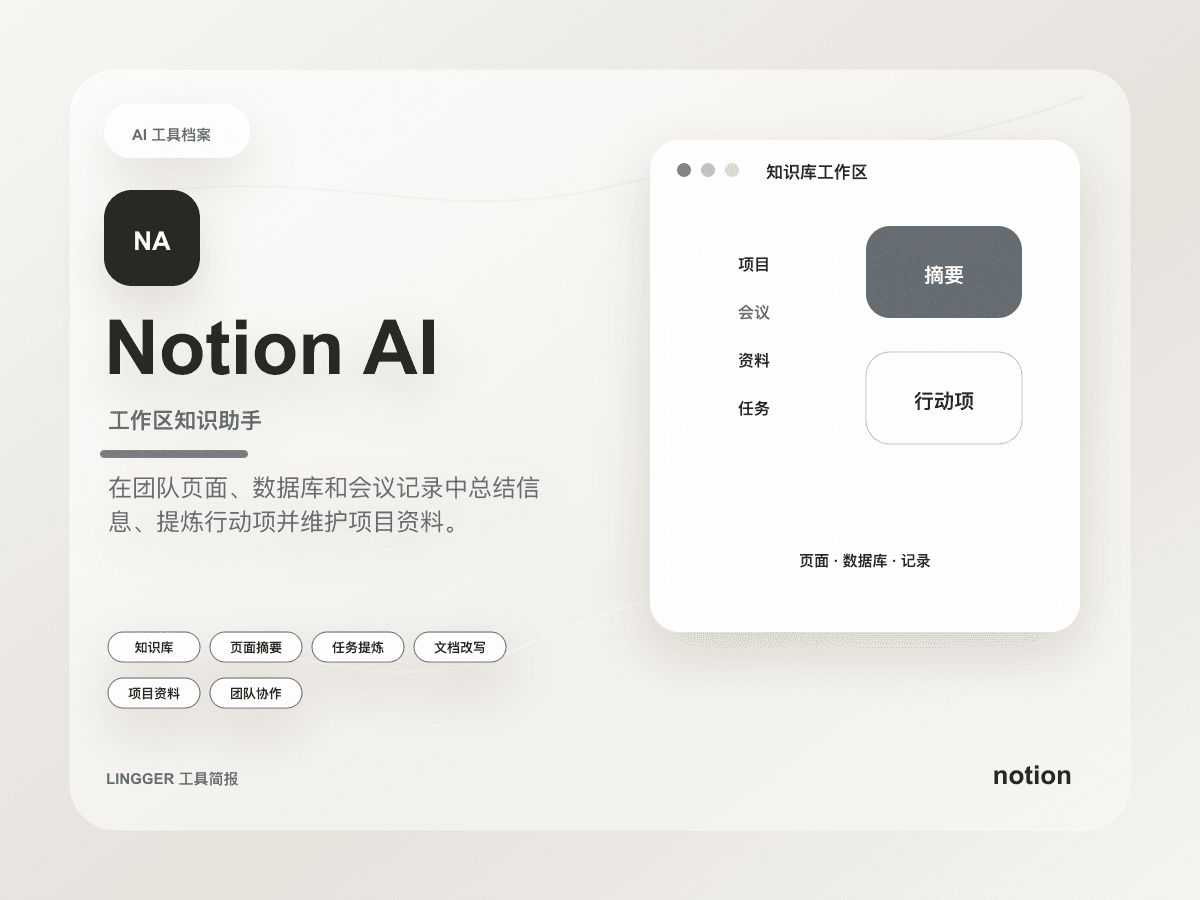
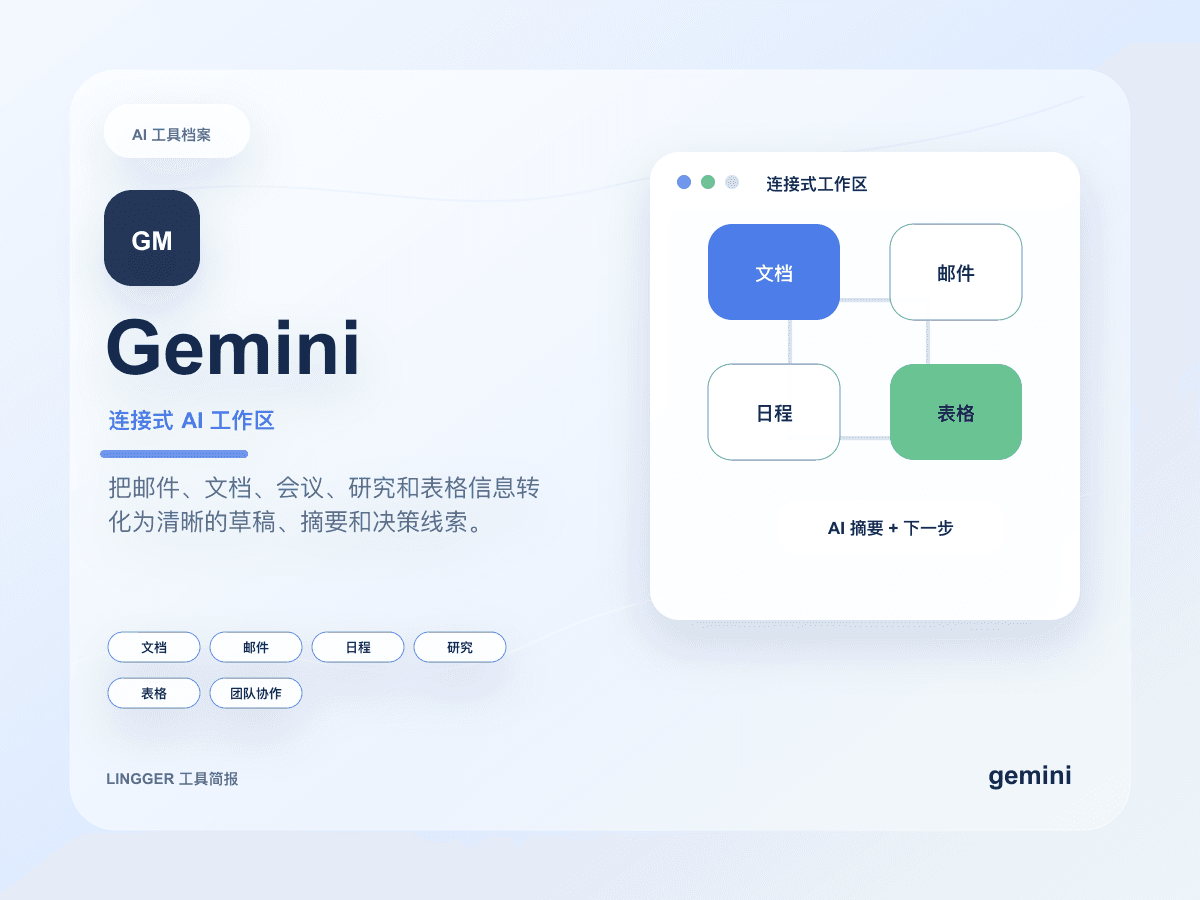
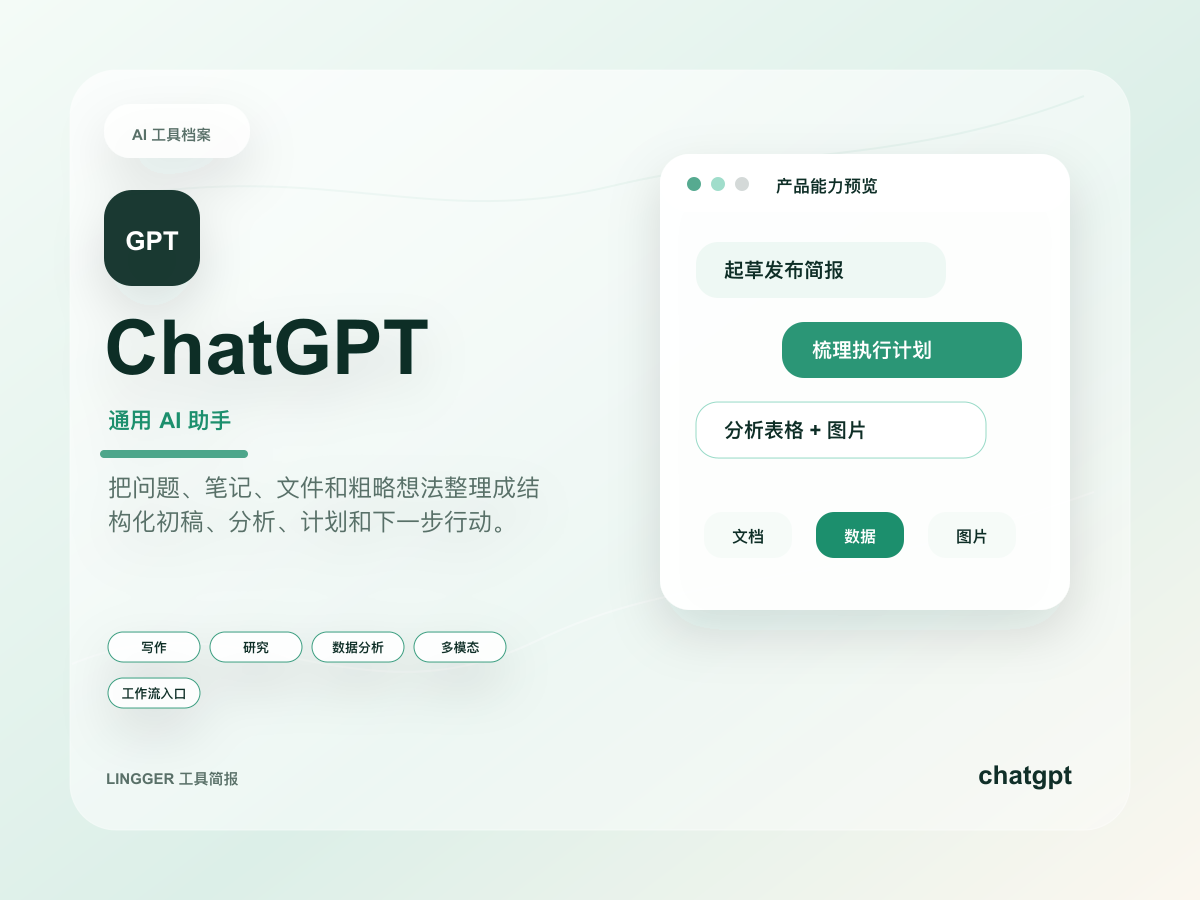
Notion AI can extract the first layer of signal, but AI Document Summary System needs ownership after the summary. I would ask the second tool to find contradictions, missing decisions, or loose follow-ups, then use the final assistant to format the result for the person who acts next. The tool chain is useful only if it makes responsibility clearer.
Prompt for decisions, not decoration
For AI Document Summary System, give Notion AI the raw material and the exact use case, ask the second tool to identify gaps or contradictions, and use the final tool to format the result for the person who will act on it. Include an “unknowns” section even when the source looks complete.
A good prompt for AI Document Summary System also asks the model to label uncertainty. I want separate sections for confirmed input, proposed output, assumptions, and questions for the human reviewer. That format is less theatrical than a single polished answer, but it is much easier to improve after the first run because weak inputs and weak reasoning are visible.
Review before reuse
Review AI Document Summary System by checking whether it preserves enough context for a teammate to trust it. A useful output names decisions, owners, deadlines, and unresolved questions. If it only paraphrases the input, it may feel productive while adding no operational value.
Product details still need a separate check. Notion AI can change feature names, pricing, limits, and availability. For AI Document Summary System, the durable advice is the workflow: where the tool belongs, what evidence it needs, what humans must verify, and how the team records what it learned.
Make the first loop small
Run AI Document Summary System on one week of real work before standardizing it. Compare the AI output with what people actually needed in meetings, planning, or follow-up. Keep the fields that reduced confusion and delete the ones that looked organized but never changed behavior.
After a few passes, AI Document Summary System should leave behind more than output. It should leave examples, rejection notes, and a sharper prompt that reflects how the team actually works. That is the sign the workflow is becoming reusable: not because every paragraph sounds the same, but because each run makes the next decision easier.