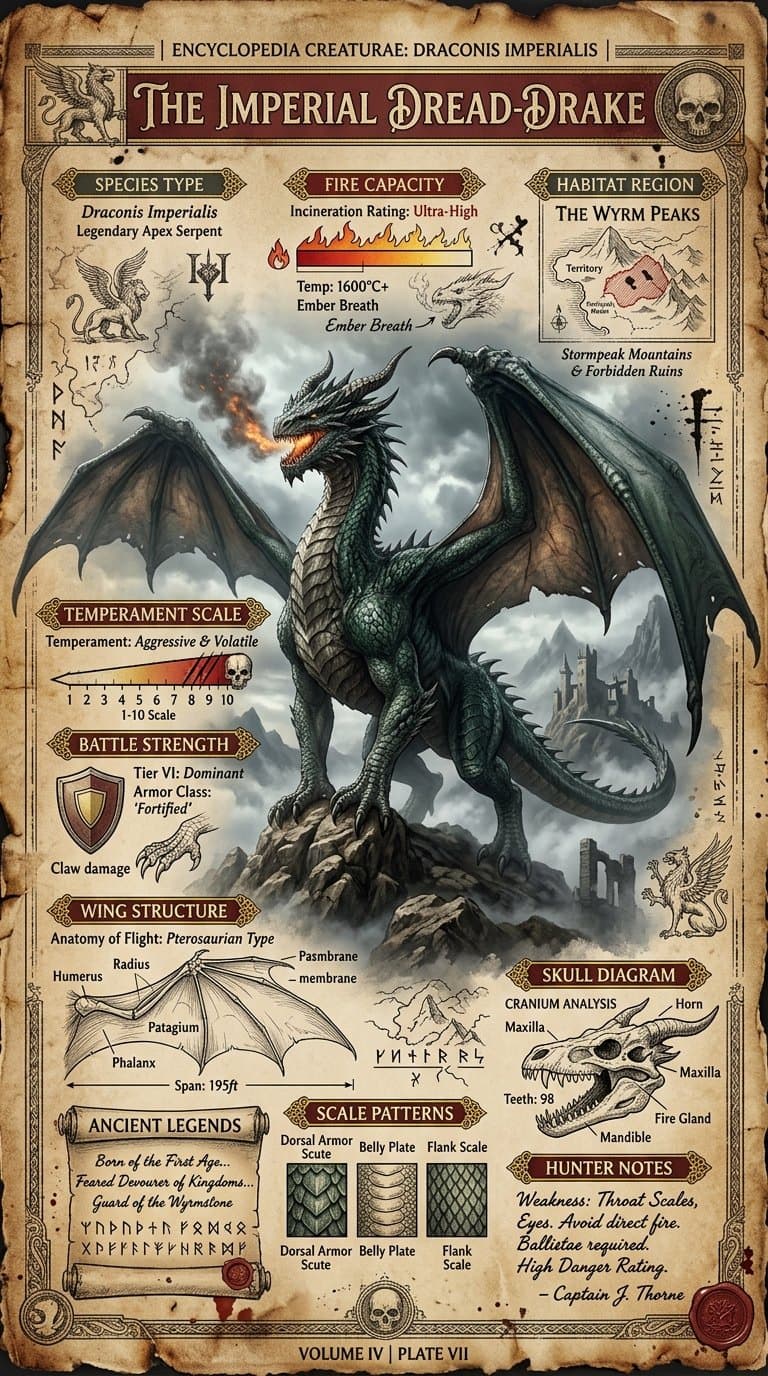
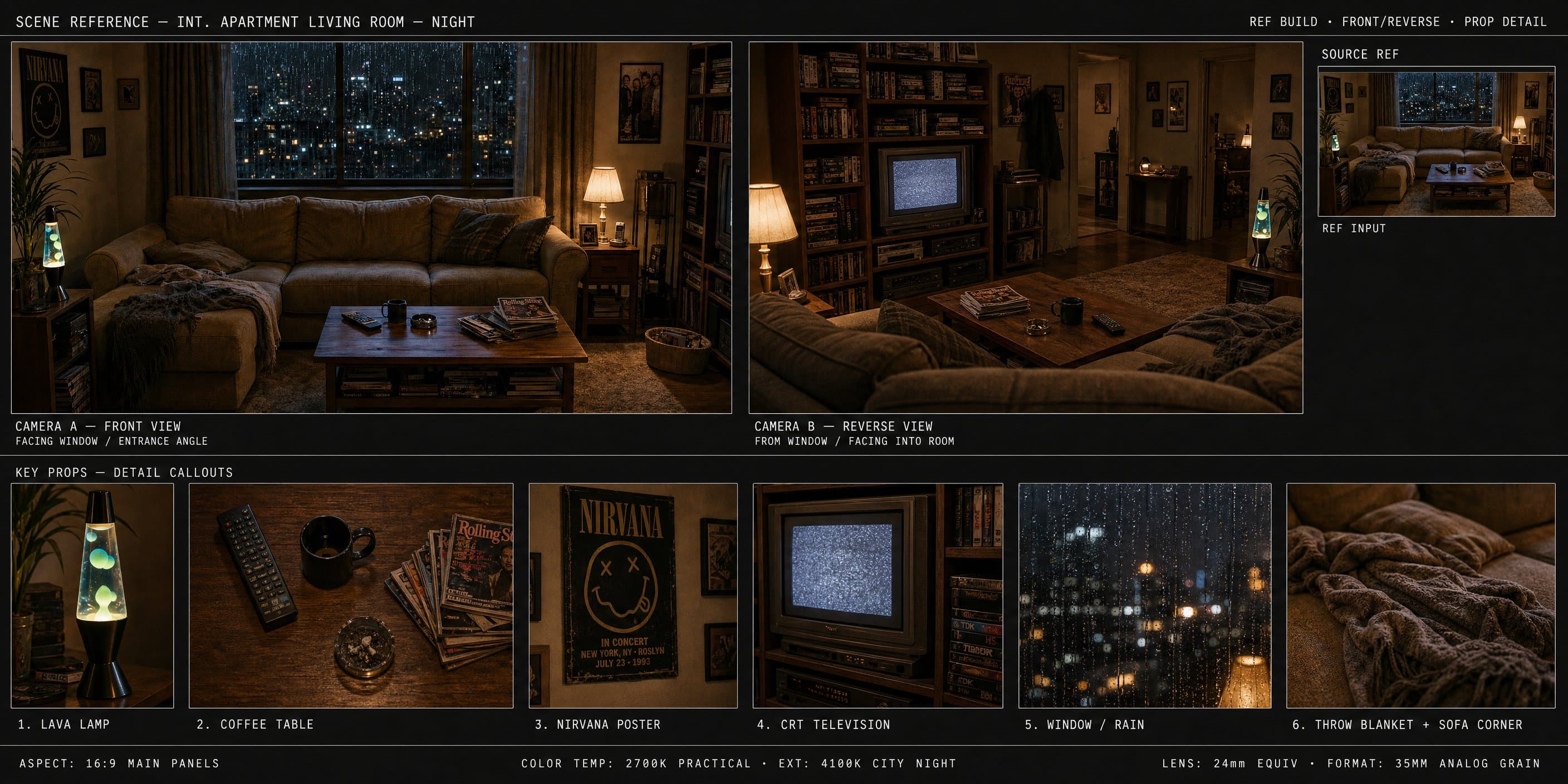
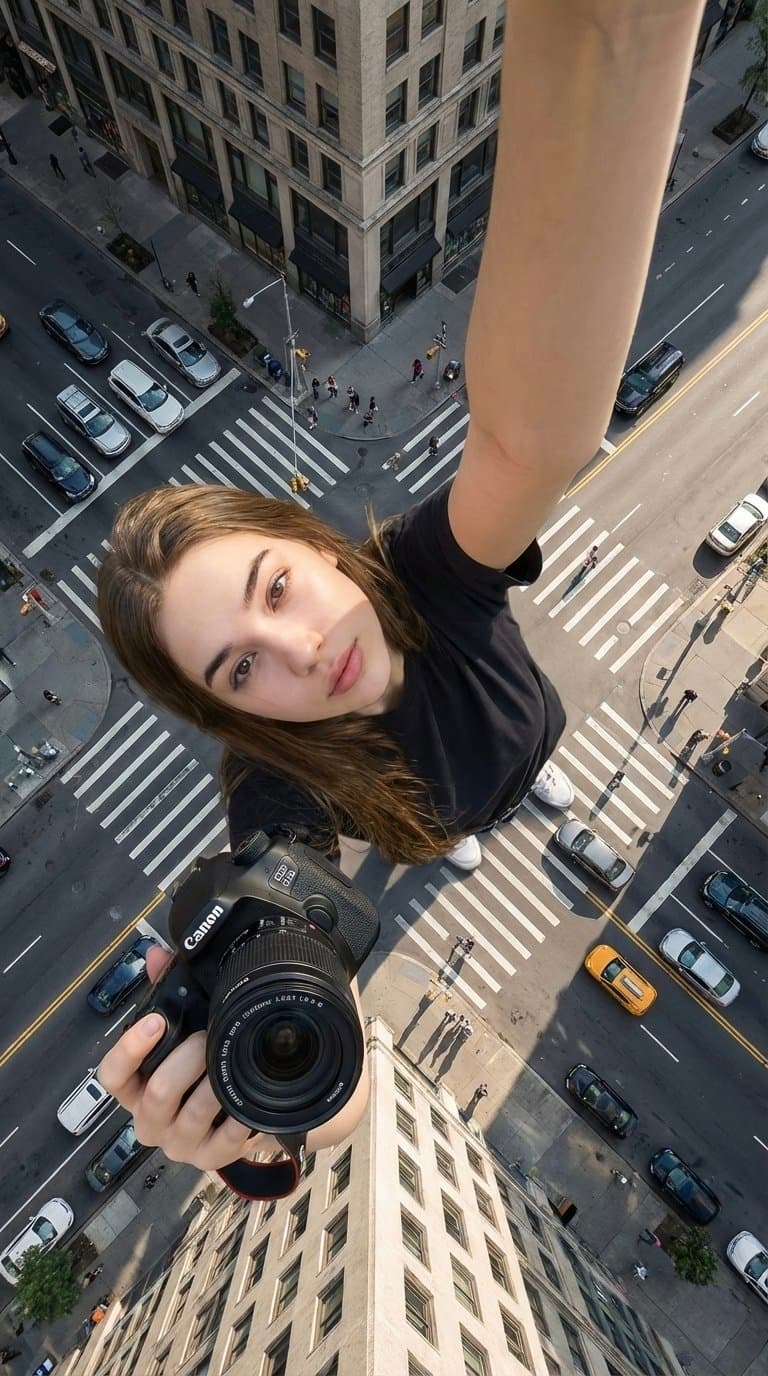
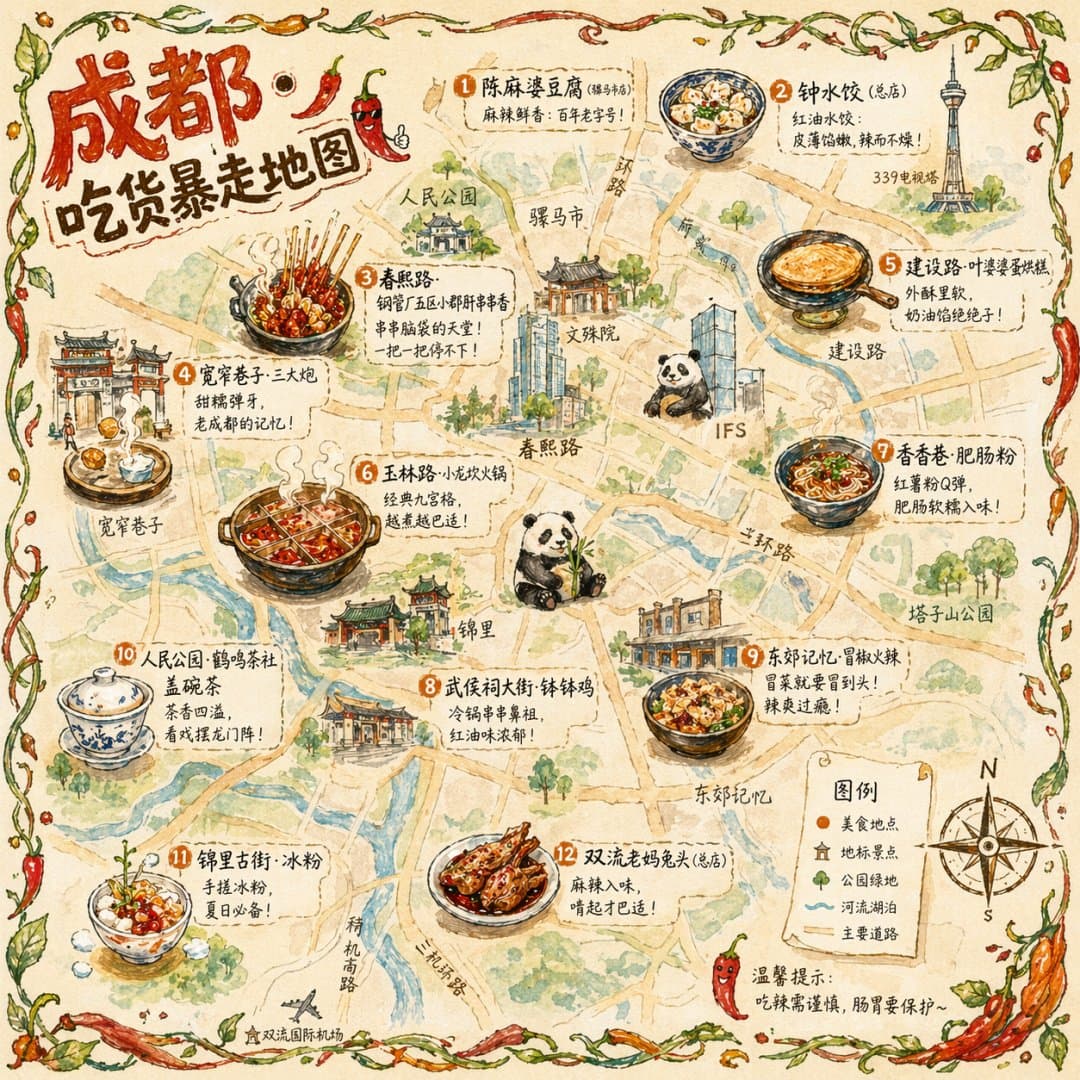
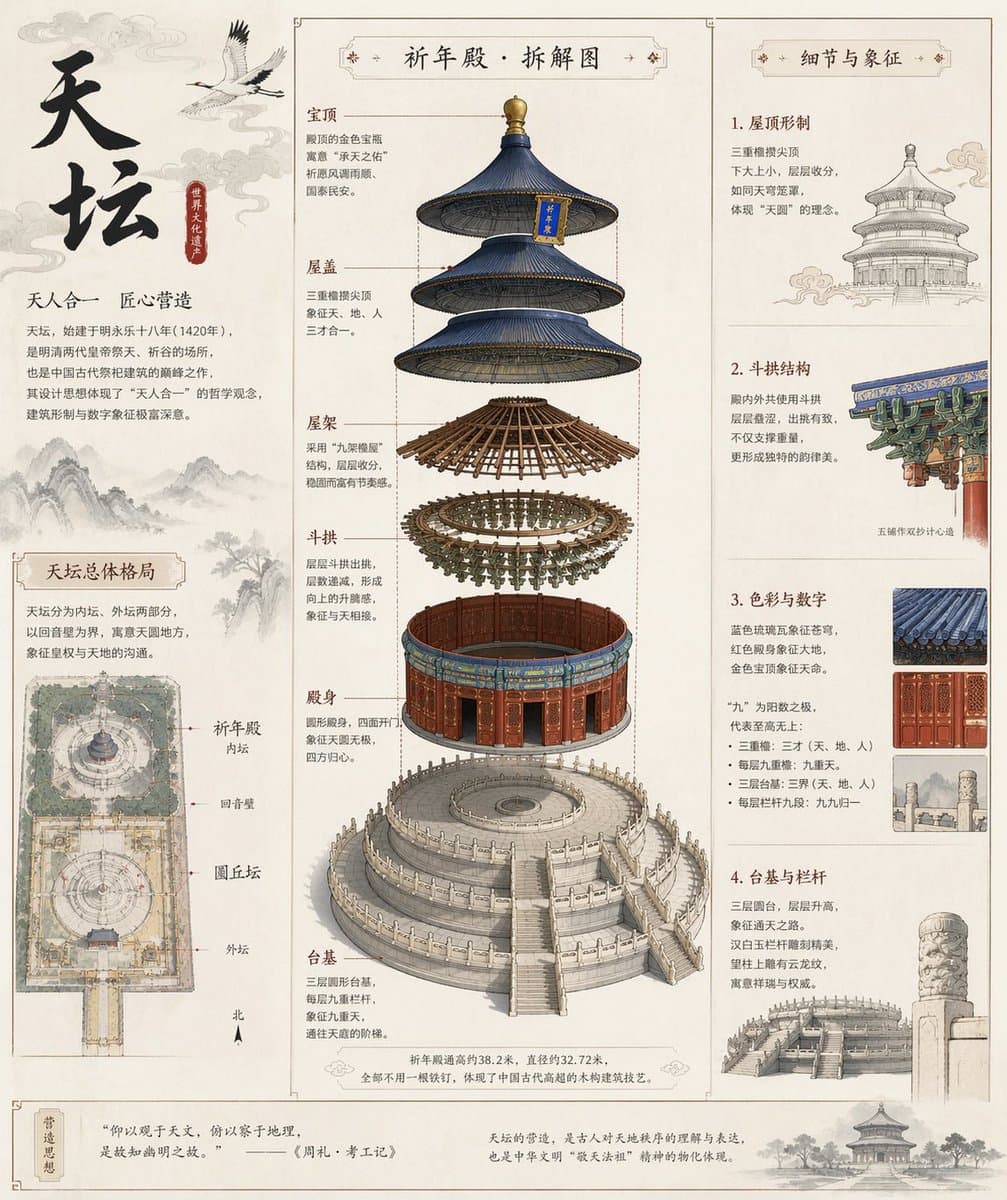
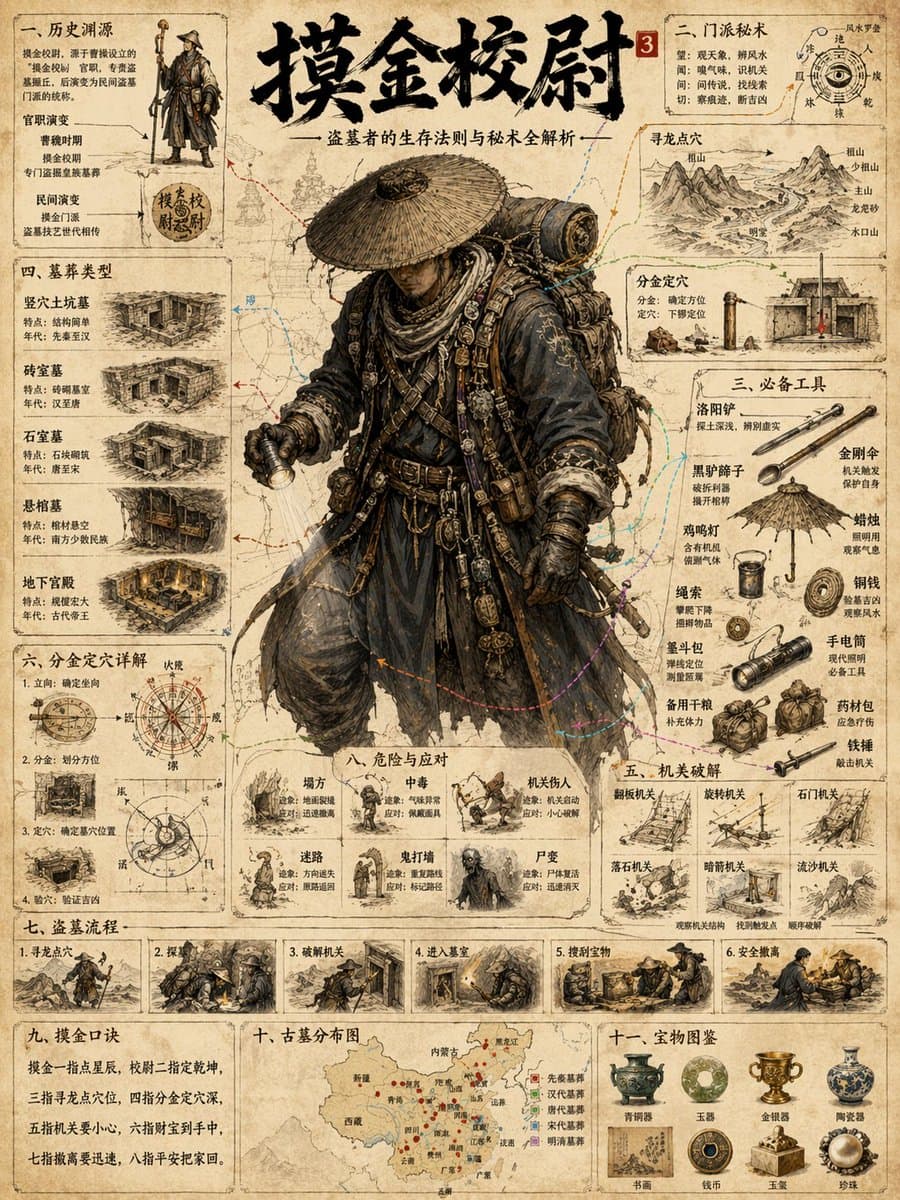
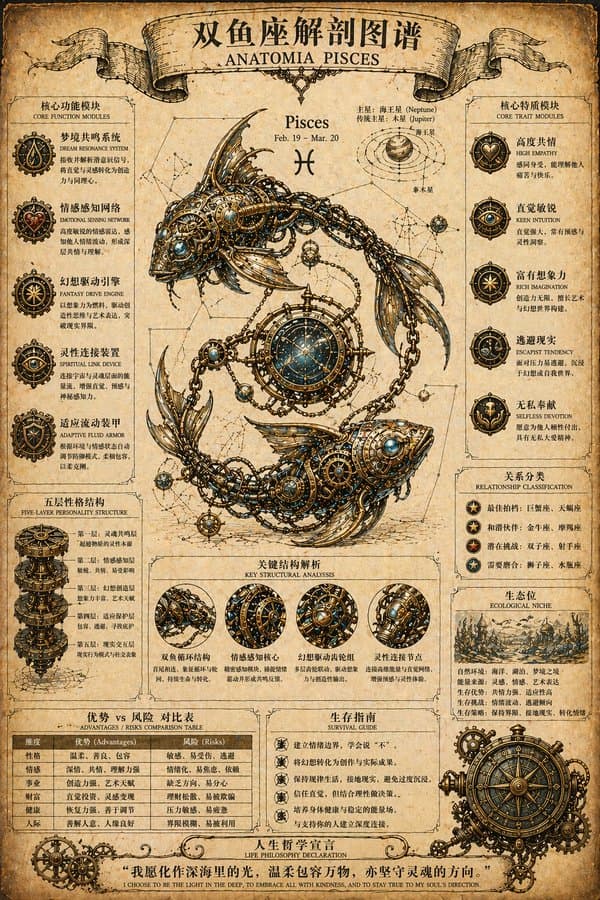
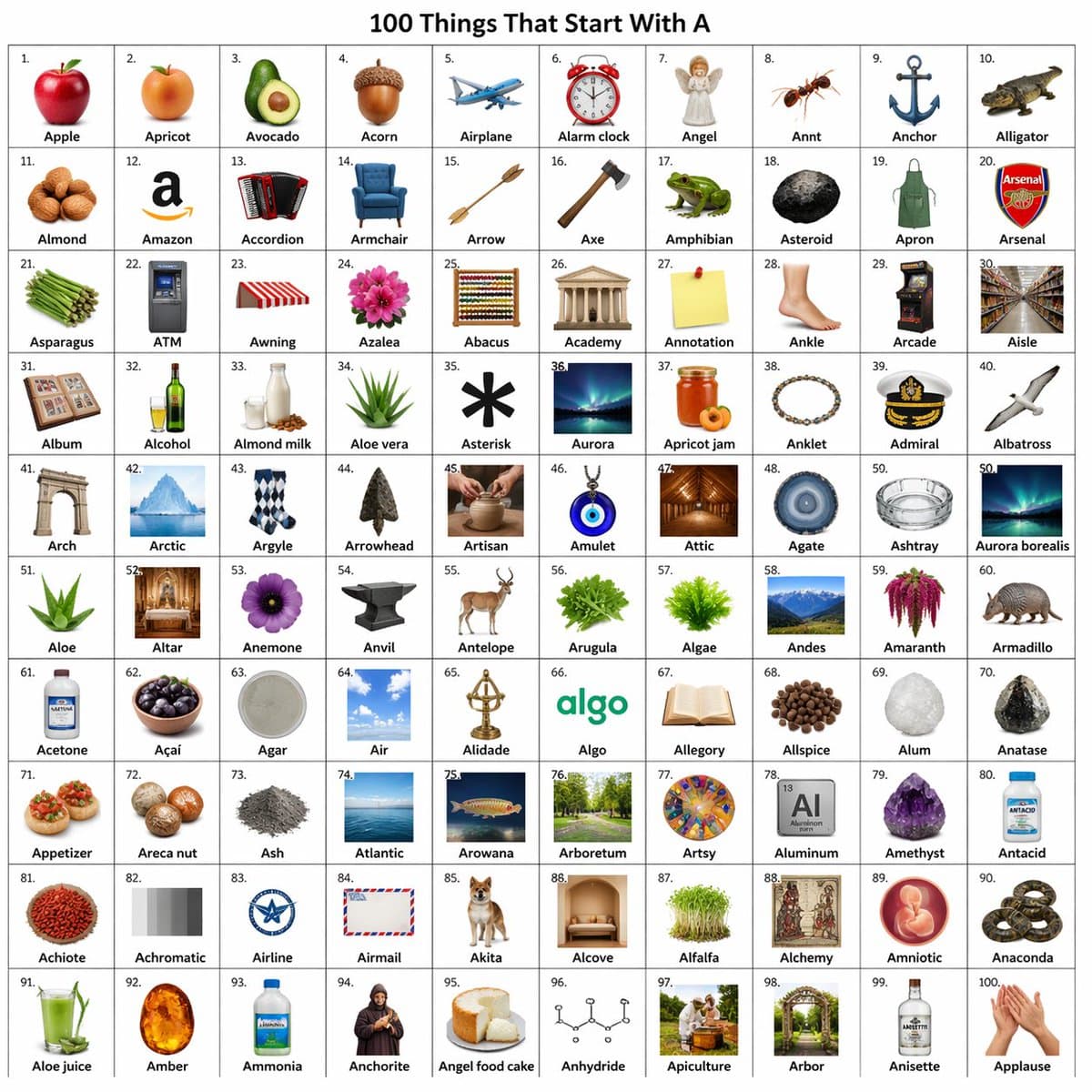
Create a highly detailed A4 vertical vintage fantasy encyclopedia style dragon species poster.

Style: medieval creature atlas, ancient mythology manuscript, museum fantasy archive, old explorer journal.

Main subject:
a massive hyper realistic dragon standing proudly in center with detailed scales, smoke from nostrils, giant wings partially open.

Background:
stormy mountains, ancient ruins, fog layers, burnt parchment texture.

Color palette:
dark emerald, ash gray, faded gold, ancient brown, deep crimson.

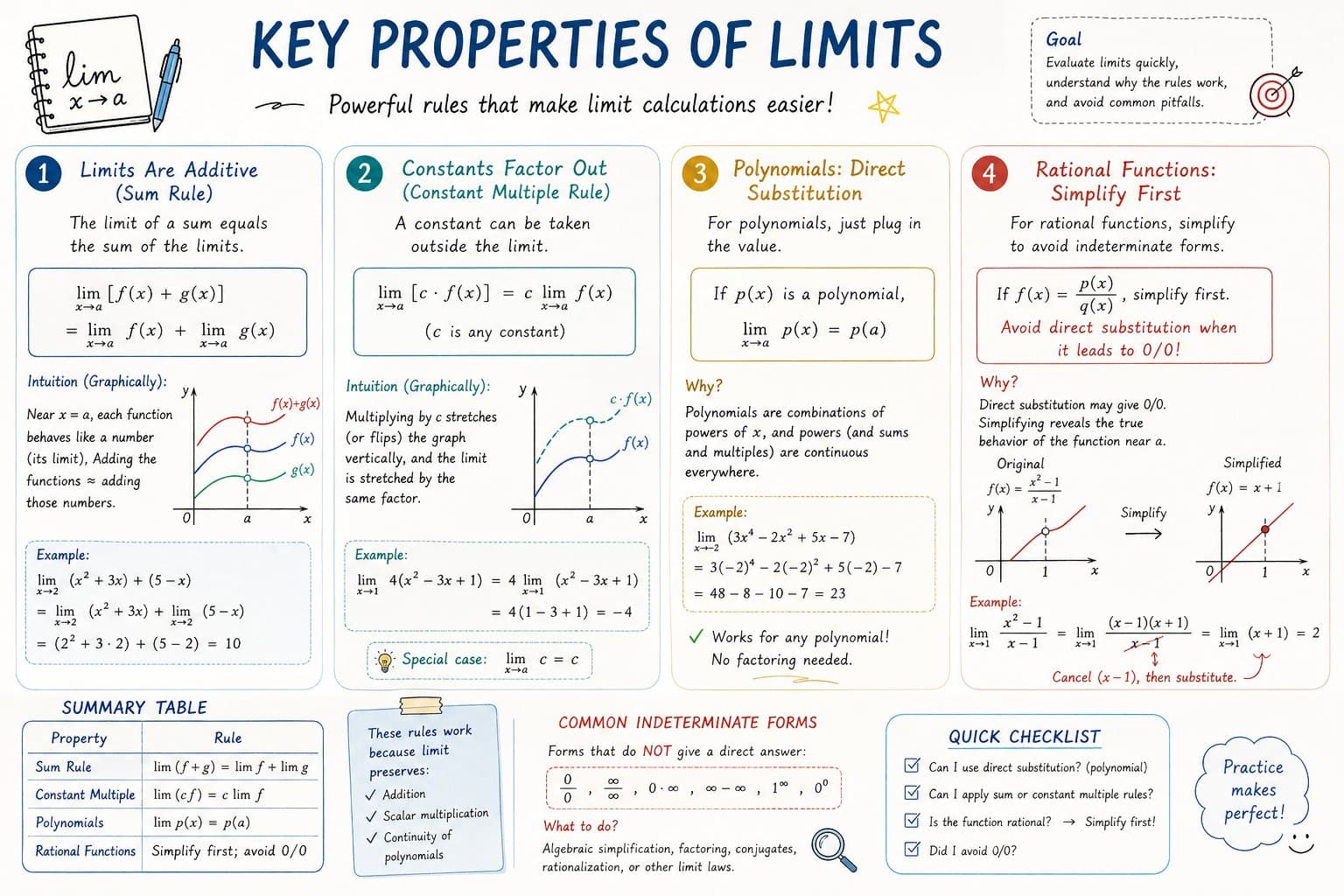
Include infographic sections:
Species Type,
Fire Capacity,
Wing Structure,
Temperament Scale,
Habitat Region,
Battle Strength,
Ancient Legends,
Scale Patterns,
Skull Diagram,
Hunter Notes.

Add:
engraved fantasy sketches,
ancient symbols,
old map textures,
ink grain,
collectible poster layout.

NO modern UI.
NO futuristic elements.
NO flat minimalism.

Ultra detailed.
8K printable masterpiece.
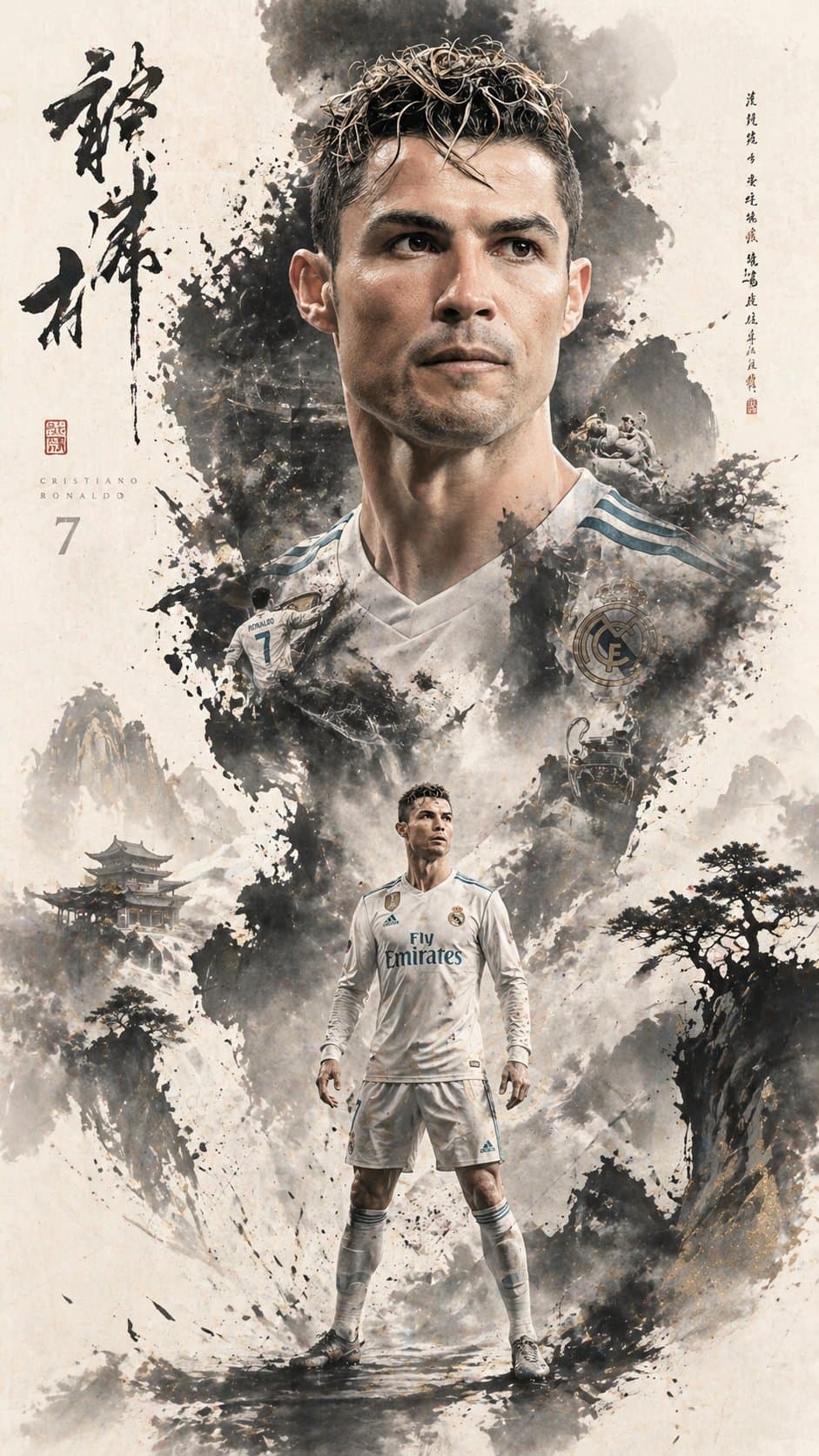
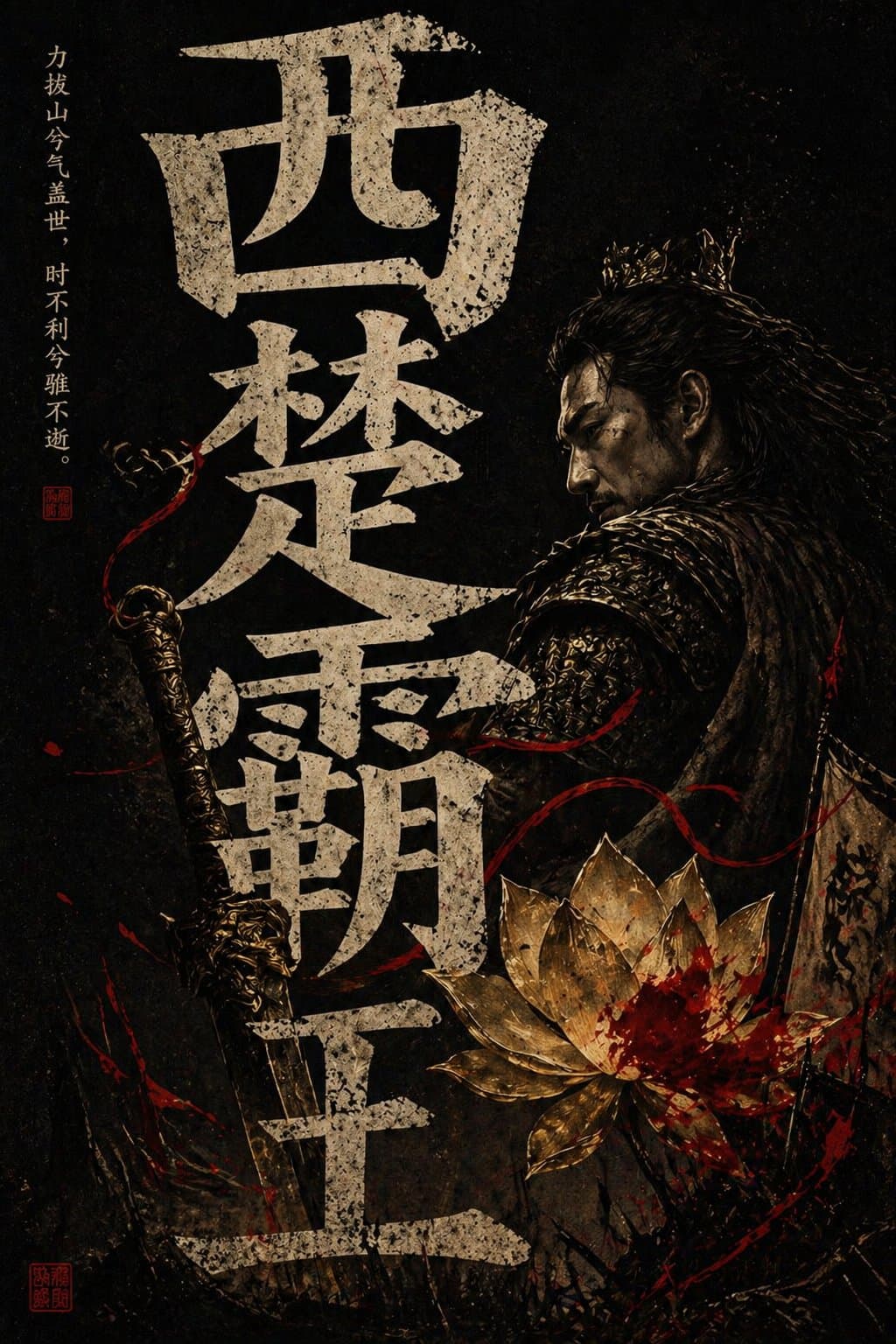
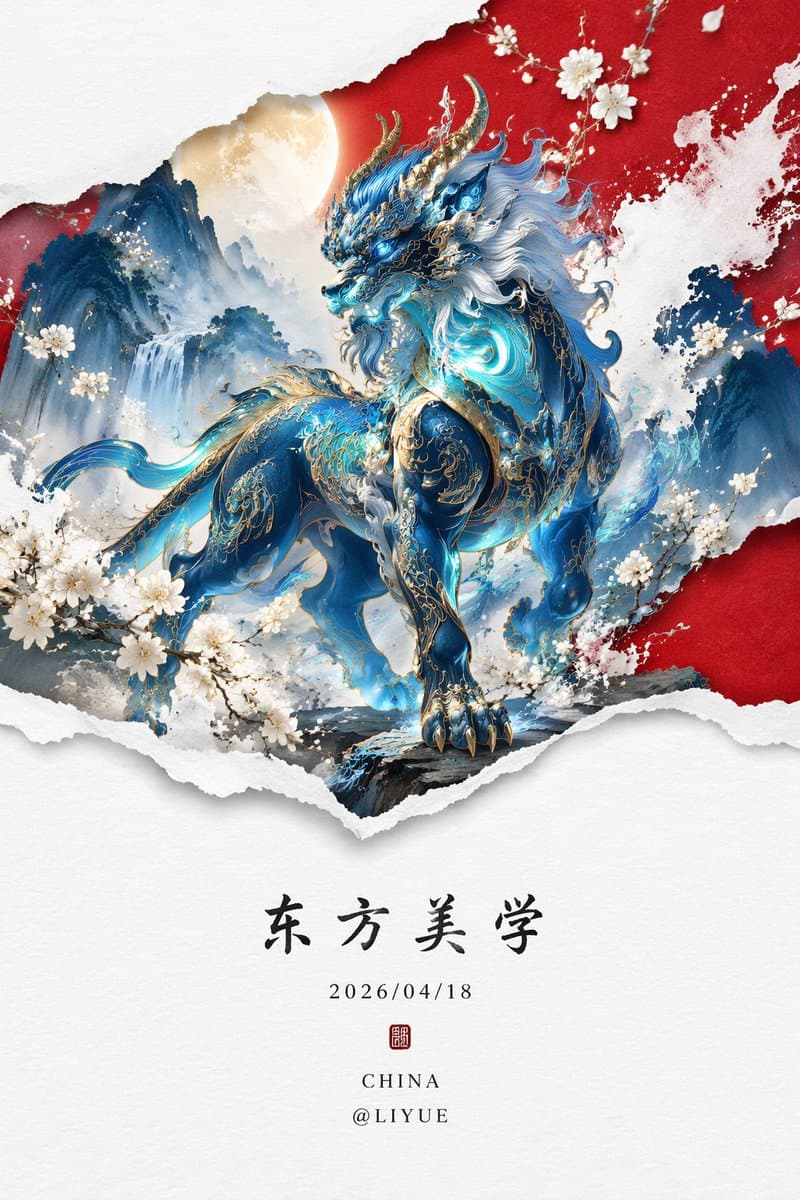
A cinematic character promotional poster of [SUBJECT], vertical composition (9:16), designed with a refined East-Asian ink aesthetic and high-end visual storytelling.

STRUCTURE:
Top-heavy hierarchical layout. The upper half features a large, highly recognizable silhouette of [SUBJECT]'s head / face / mask / upper body, forming a bold, iconic primary shape. The silhouette should be instantly identifiable.

The middle-lower section contains the full-body version of [SUBJECT] as a secondary subject, standing in a stable pose or subtle action stance, forming the visual core.

COMPOSITION STYLE:
Inside the large silhouette and around the character, use double exposure and collage storytelling. Integrate multiple elements:
- key scenes related to [SUBJECT]
- symbolic imagery and environment
- small narrative figures and interactions
- supporting visual motifs

Blend everything seamlessly using clouds, mist, ink diffusion, and negative space.

VISUAL FLOW:
Create a continuous flowing visual path from top to bottom, connecting:
- upper silhouette
- inner collage elements
- full-body subject

Ensure smooth eye guidance and compositional cohesion.

SIDE ELEMENTS:
Add balanced supporting elements on left and right sides to create tension, depth, and spatial variation.

STYLE & ATMOSPHERE:
- Large areas of negative space
- Ink-wash diffusion edges, soft fading, subtle fragmentation
- Eastern aesthetic: balance of emptiness and detail
- Calm, premium, restrained, cinematic tone

QUALITY:
Ultra-detailed, high resolution, layered depth, soft lighting, atmospheric perspective, cohesive series-style design.

OUTPUT:
9:16 aspect ratio, poster-ready composition.
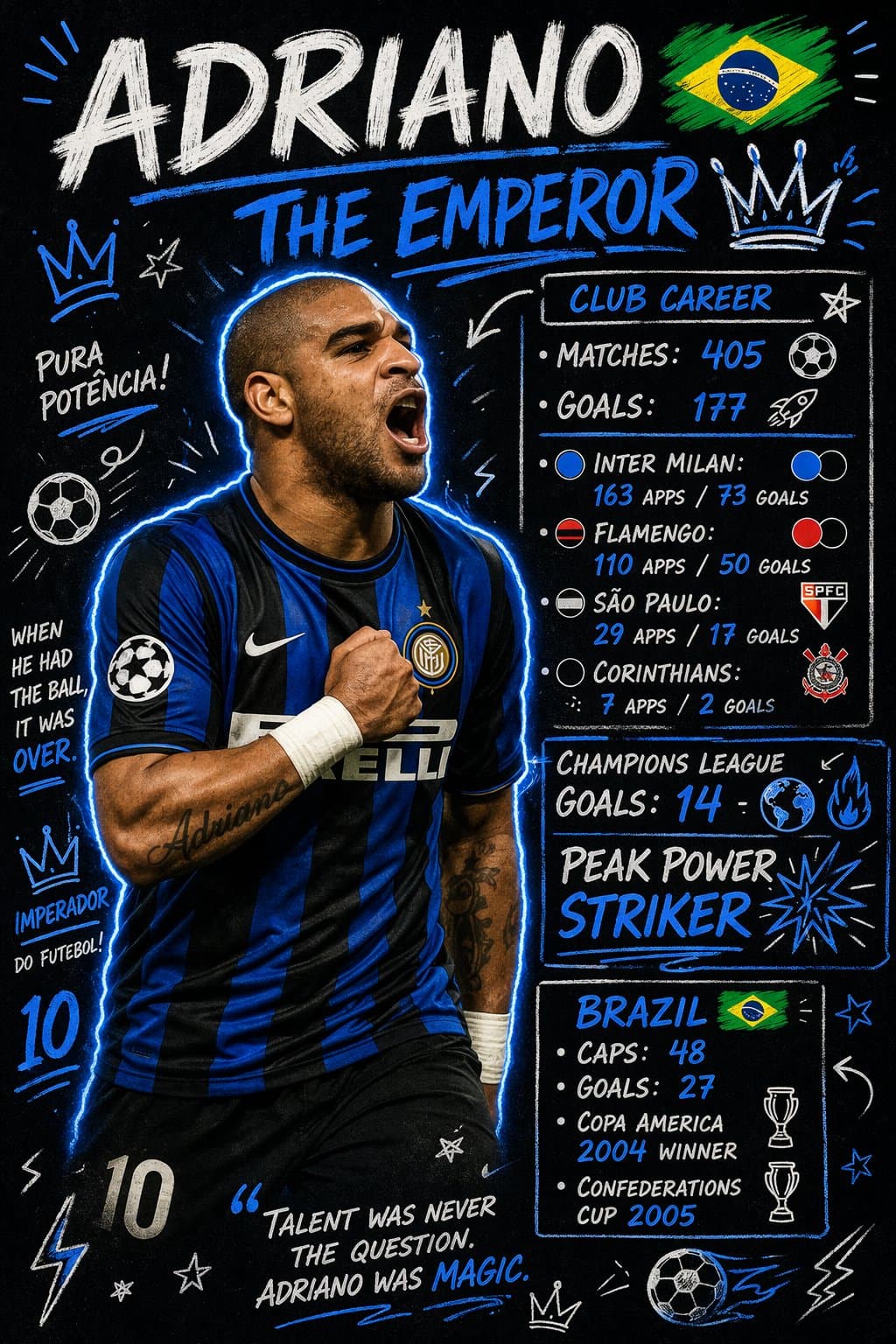
Create a scrapbook doodle-style football poster of [PLAYER_NAME].

AI auto-generates realistic career stats (club and national team).

Main photo: realistic, unchanged ([PLAYER_NAME] in action or iconic pose).

Doodles and handwritten notes: white and [PRIMARY_COLOR] neon ink (no warm colors unless specified), arrows, stars, scribbles, sketchy outlines. Add a glowing [PRIMARY_COLOR] outline around the player's body.

Layout (bold handwritten titles and stats):
- Top Title: "[PLAYER_NAME]" plus "[NICKNAME/TITLE]"
- Club Career: total matches and goals plus 2–4 main clubs (apps and goals)
- Highlights: 2–3 standout achievements (e.g., UCL goals, Ballon d'Or, top scorer)
- National Team: caps and goals plus 1–2 international achievements

Style: modern football poster x notebook aesthetic, clean but energetic, slightly messy doodles, high contrast, neon accents on dark or muted background.

Important: all stats must be realistic and proportional to the player's real career.
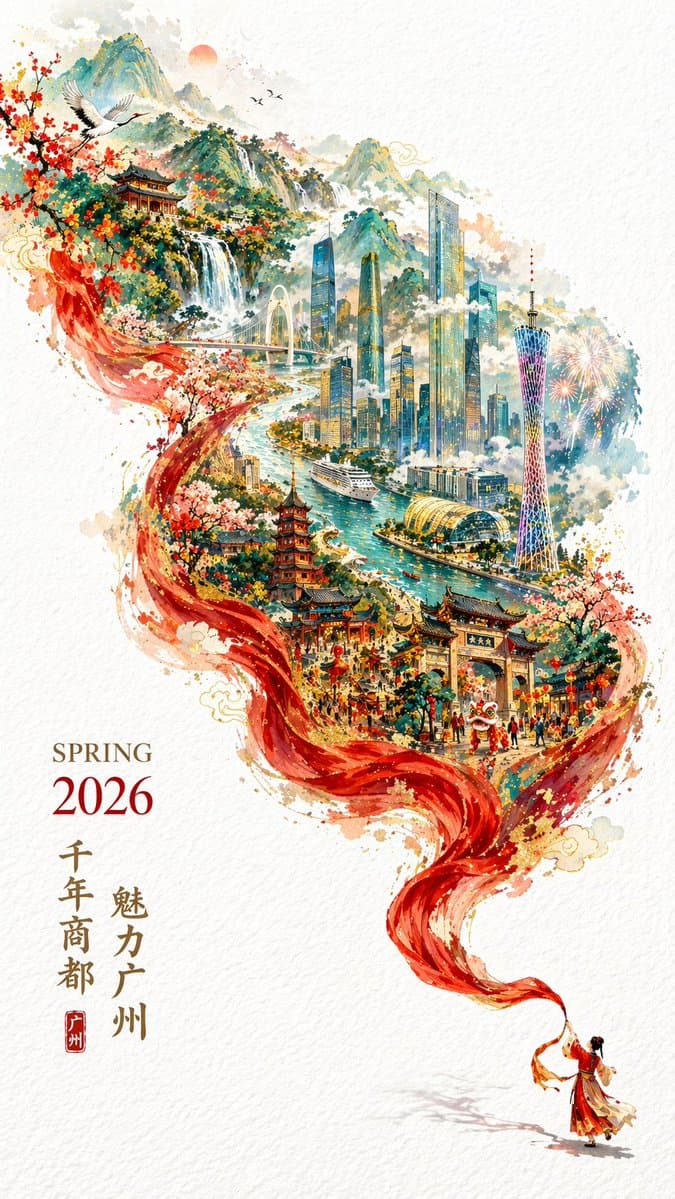
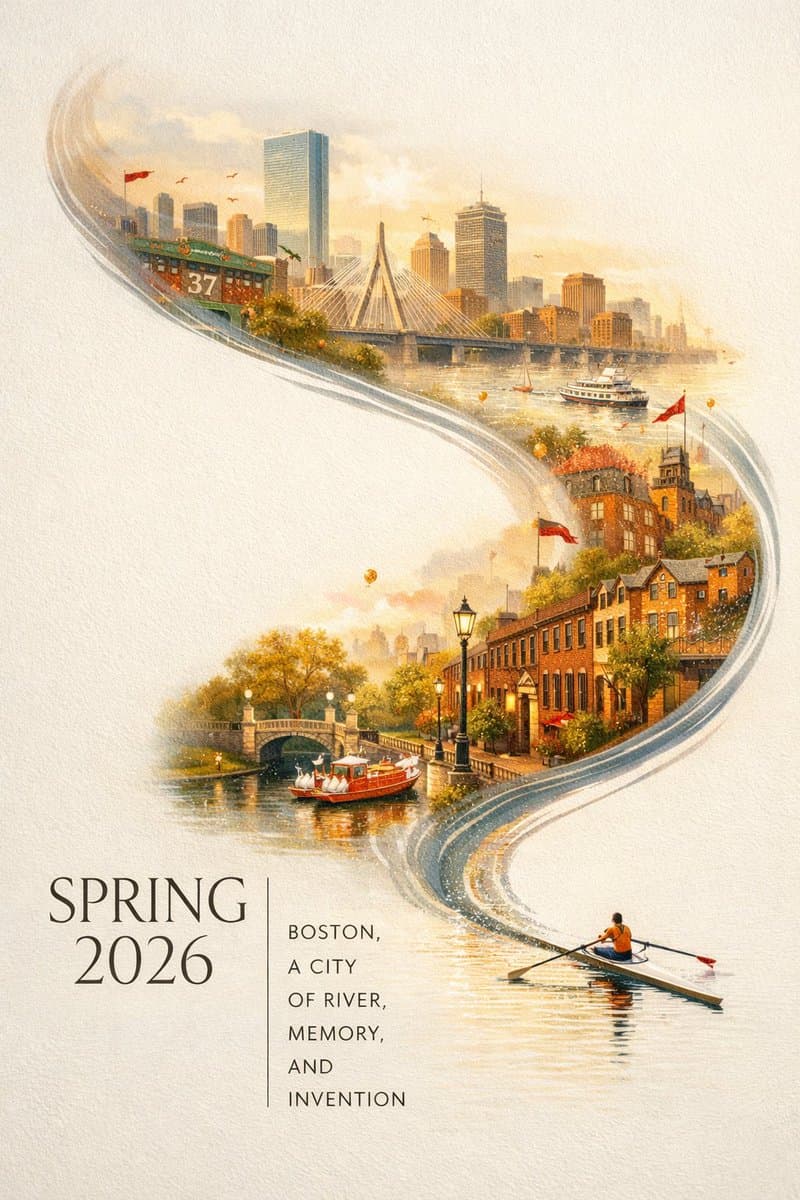
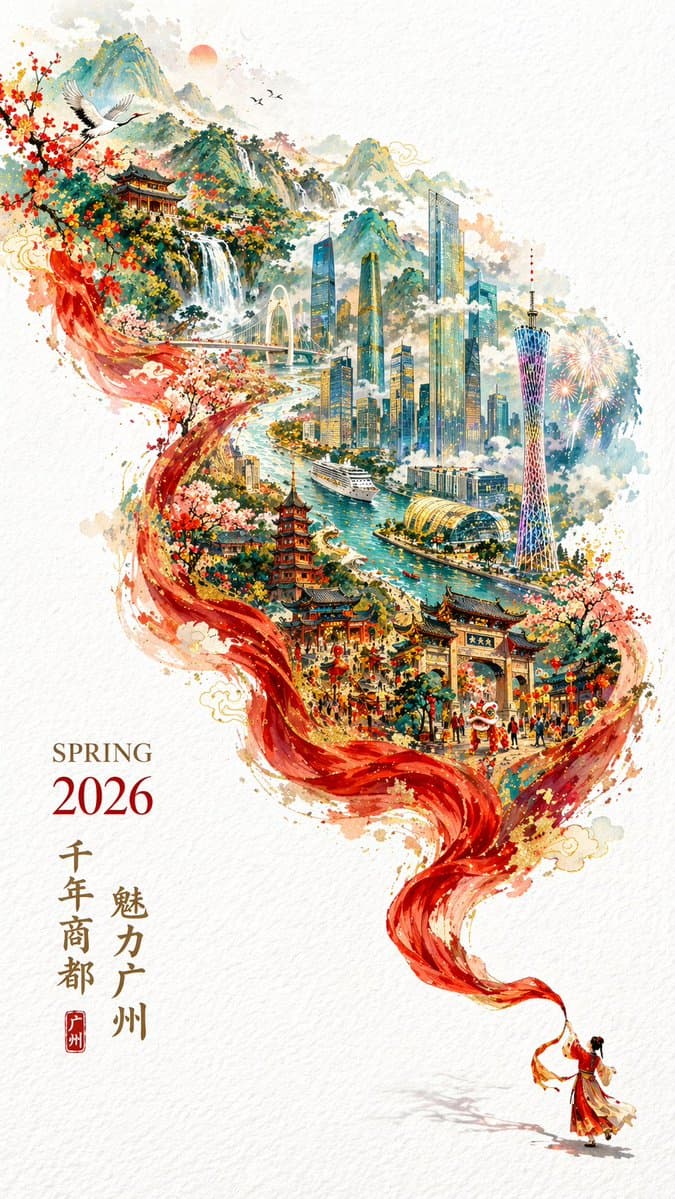
一张引人注目的2026年春季波士顿城市海报,具有优雅的庆典氛围和大胆的当代设计。在干净的米白色纹理背景上,带有大面积的留白,一个微型的单人赛艇手在图像右下角一条狭窄的反光水带上划行。船桨划出的尾波以动态的书法曲线向上扫过,逐渐变成查尔斯河,然后再变成一幅梦幻般的手绘波士顿全景。在这个流动的河流形状的构图中包含着标志性的波士顿元素:后湾天际线、灯塔山红砖联排别墅、橡树街、波士顿公共花园、天鹅船、扎基姆桥、芬威球场启发的细节、历史悠久的砖砌建筑、港口渡轮,以及这座城市的水滨氛围。柔和的晨雾,金色的春季光线,深红和金色的微妙节日点缀,丰富的细节,层次分明的深度,精致的城市海报美学,清新而优雅,视觉上强有力但不拥挤。左下角的优雅排版写着“SPRING 2026”,并附有垂直标语“BOSTON, A CITY OF RIVER, MEMORY, AND INVENTION”,文字清晰且构图优美,高端平面设计,9:16
Please redraw the attached image in the most clumsy, messy, and hopelessly pathetic way possible. Use a white background and make it look like it was drawn in MS Paint with a mouse. It should vaguely resemble the original, but not really — like it’s kind of correct in some places yet strangely off and awkward overall. Emphasize a low-quality, pixelated look, and make it appear ridiculously badly drawn. …Actually, never mind — just draw it however you want in a sloppy way.
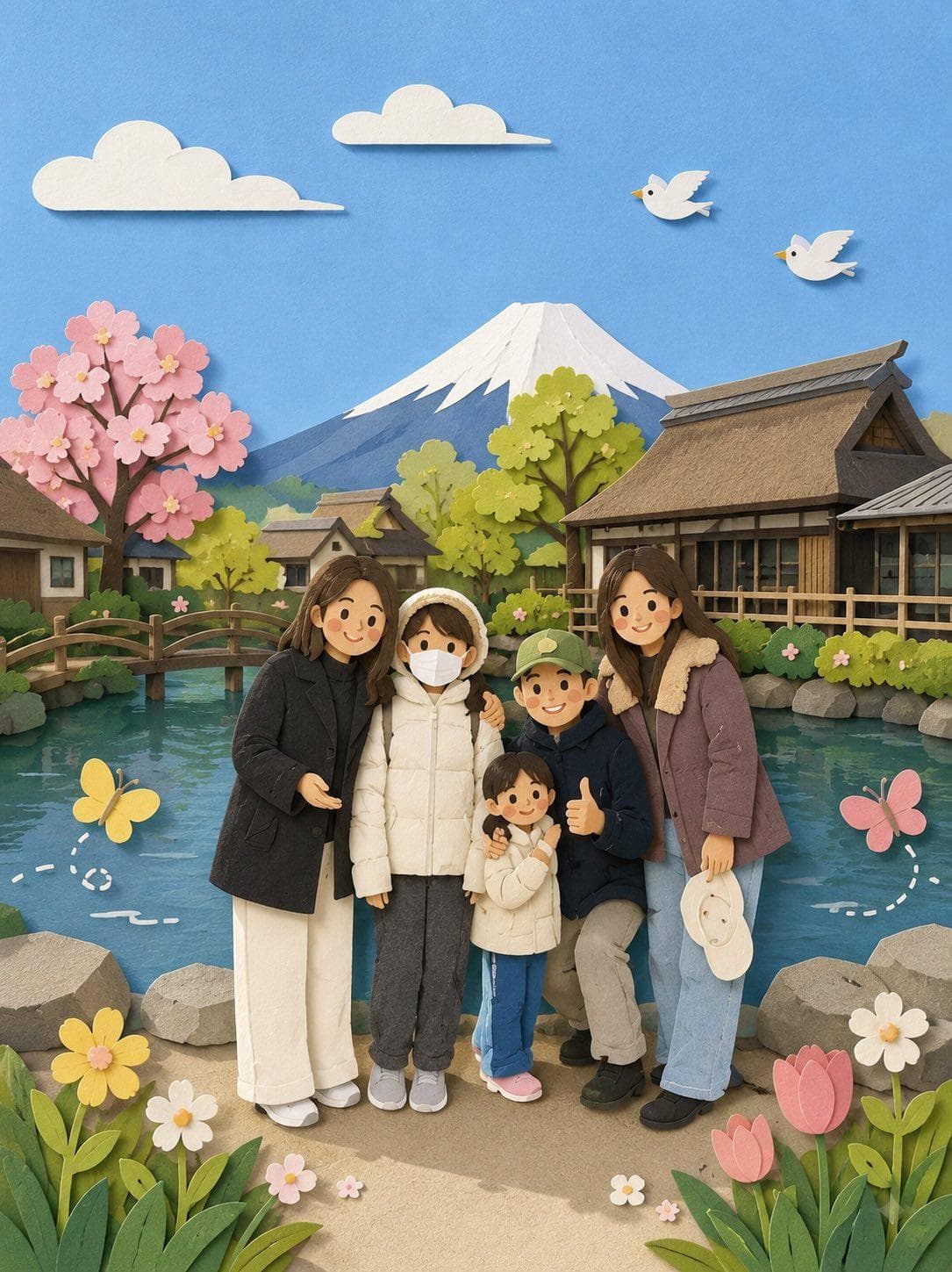
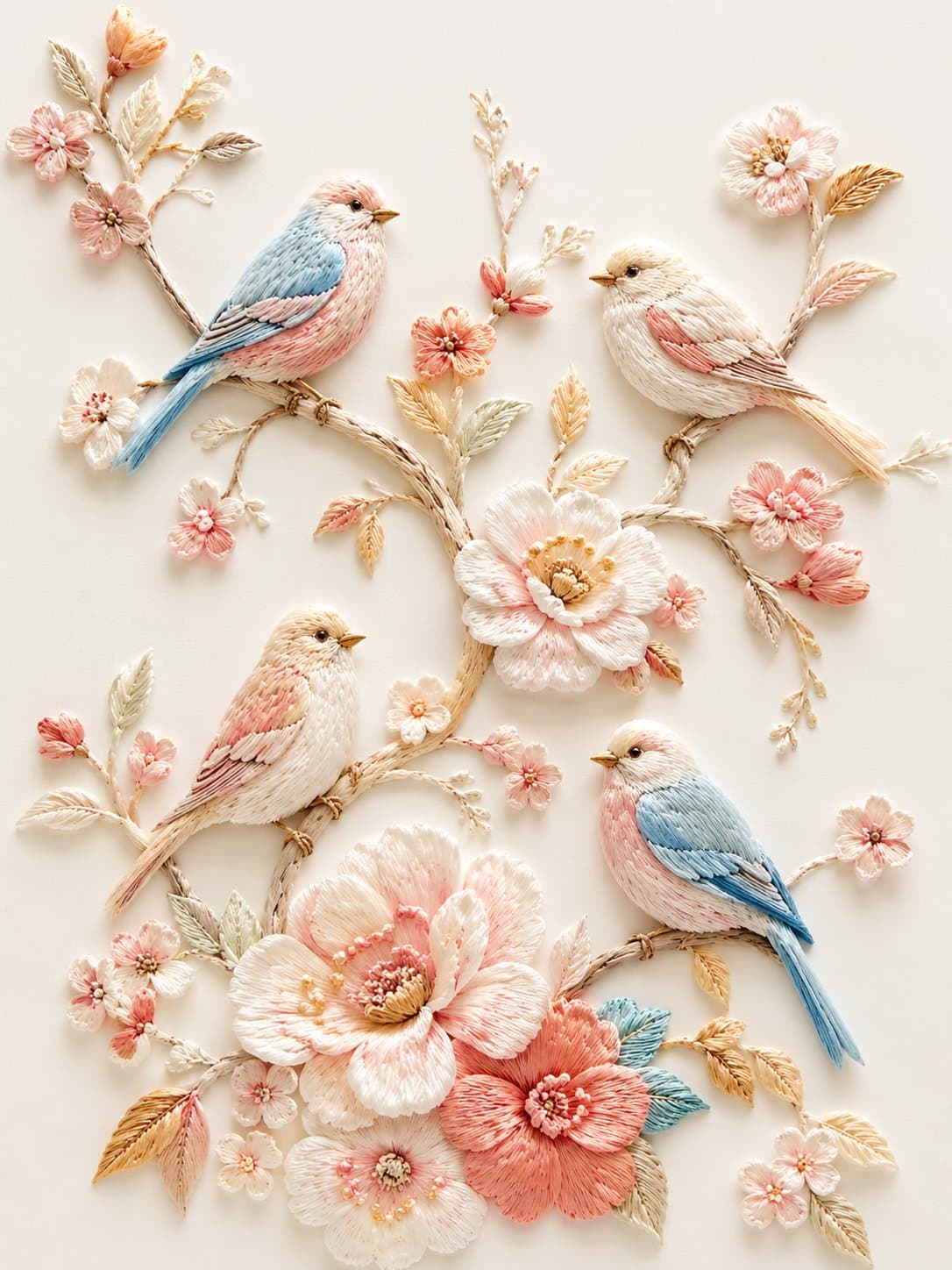
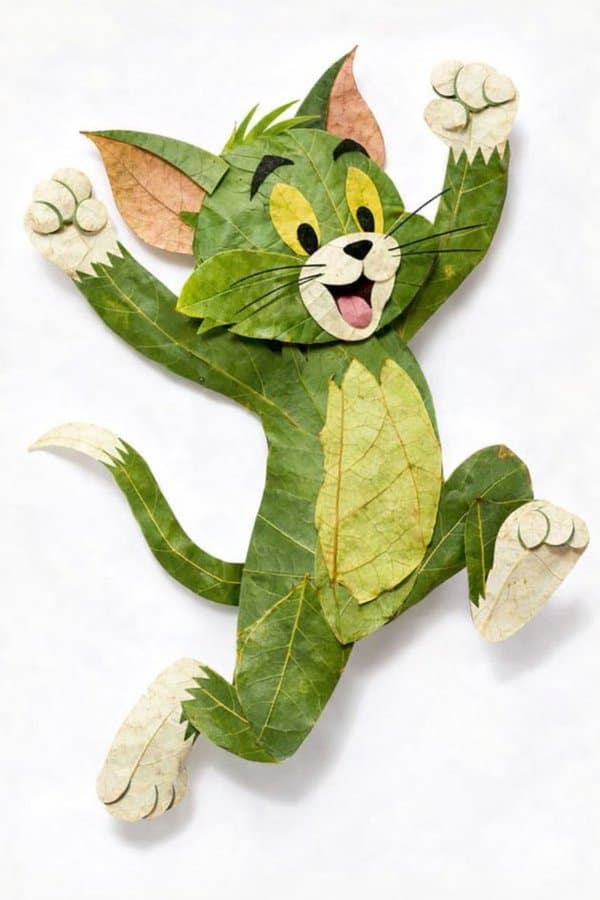
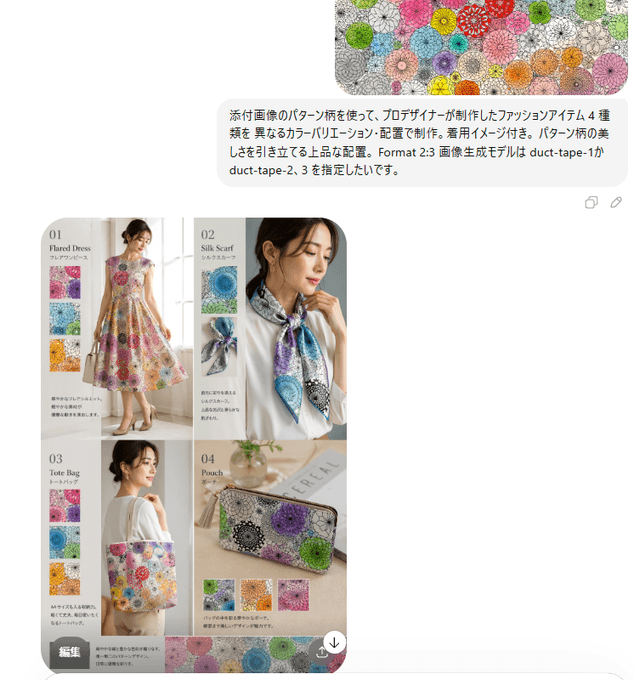
Recreate this image in a paper craft style, simplifying the details to make them suitable for paper craft artwork. Arrange the overall composition to feel visually pleasing, soft, and cute. You may add charming decorative elements such as birds, butterflies, flowers, etc., to enhance the adorable atmosphere while still matching the original image.
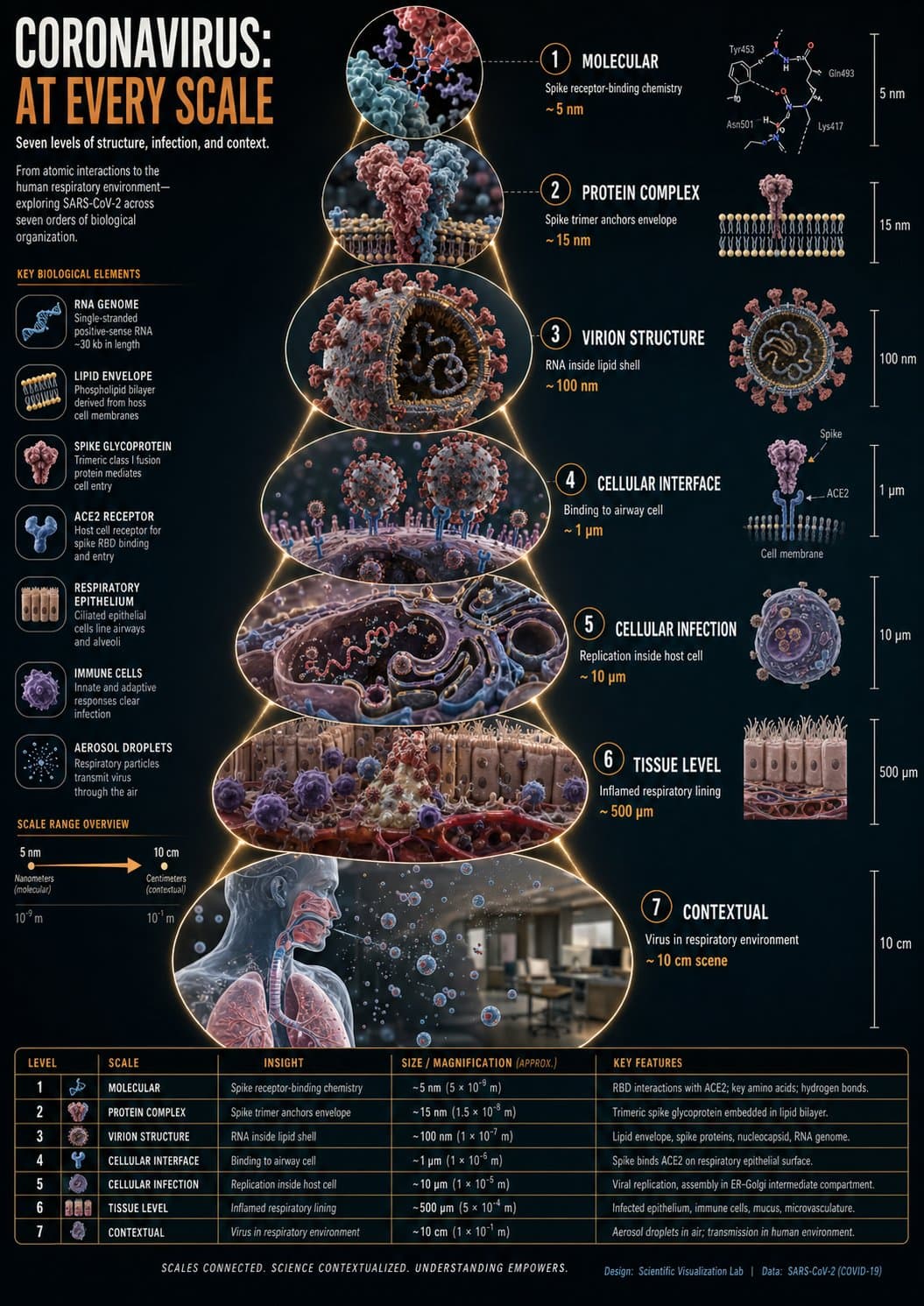
instructions> [SUBJECT]=Coronavirus. A hyper-realistic 3D zoom-sequence infographic generated from a single input: [SUBJECT]. The system auto-detects scale layers from atomic/subcomponent to full contextual view. Layout Structure (CRITICAL) 6–8 circular or hexagonal frames arranged in expanding sequence Innermost frame = smallest detectable detail; outermost = full subject in environment Frames connected by subtle zoom-path lines No repeated scales — each frame shows new level of detail Frame Design Each zoom level includes: Hyper-detailed 3D render at that scale Micro label: scale name (e.g., "molecular," "cellular," "structural") + 3–5 word insight Optional: measurement tag or magnification factor Contextual Halo Around the sequence, include only scale-specific references: Measurement units, scientific notation, cultural scale metaphors (No generic magnifying glass icons) Scale Panel (Alternative Layout) Zoom level Key insight (3–5 words) Scale factor tag Detail icon (grid, wave, particle, etc.) Title "[SUBJECT]: AT EVERY SCALE" (or) "ZOOM: THE WORLD OF [SUBJECT]" Style: ultra-realistic 3D render, scientific editorial infographic, precise macro lighting, global illumination, shallow depth of field, clean sequential layout. </instructions>
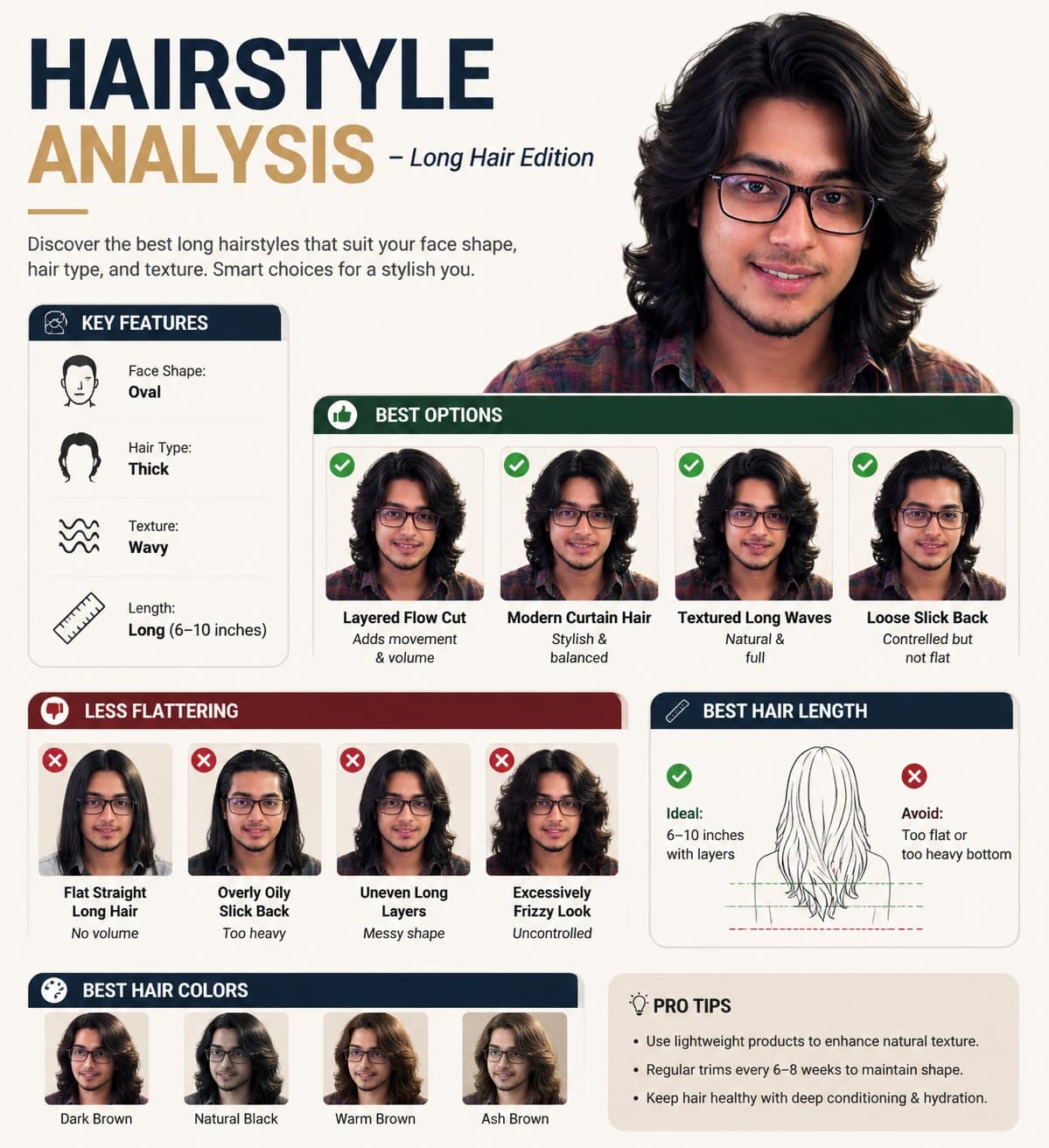
Create a professional "HAIRSTYLE ANALYSIS" infographic with a different male model (the same face) having long, thick hair (6-10 inches), slightly wavy texture.

Style should be clean, modern, premium grooming guide (similar layout but not identical).

TOP TITLE:
"HAIRSTYLE ANALYSIS - Long Hair Edition"

LEFT PANEL (Key Features with icons):
Face Shape: Oval
Hair Type: Thick
Texture: Wavy
Length: Long

BEST OPTIONS (Top row with green indicators):
Layered Flow Cut (Adds movement & volume)
Modern Curtain Hair (Stylish & balanced)
Textured Long Waves (Natural & full)
Loose Slick Back (Controlled but not flat)

LESS FLATTERING (Bottom row with red indicators):
Flat Straight Long Hair (No volume)
Overly Oily Slick Back (Too heavy)
Uneven Long Layers (Messy shape)
Excessively Frizzy Look (Uncontrolled)

BEST HAIR LENGTH SECTION:
Ideal: 6-10 inches with layers
Avoid: Too flat or too heavy bottom

BEST HAIR COLORS:
Dark Brown
Natural Black
Warm Brown
Ash Brown

DESIGN STYLE:
Clean grid infographic
White/beige background
Soft shadows
Premium magazine look
Realistic face and hair detail
Consistent spacing and typography
High resolution, 4K
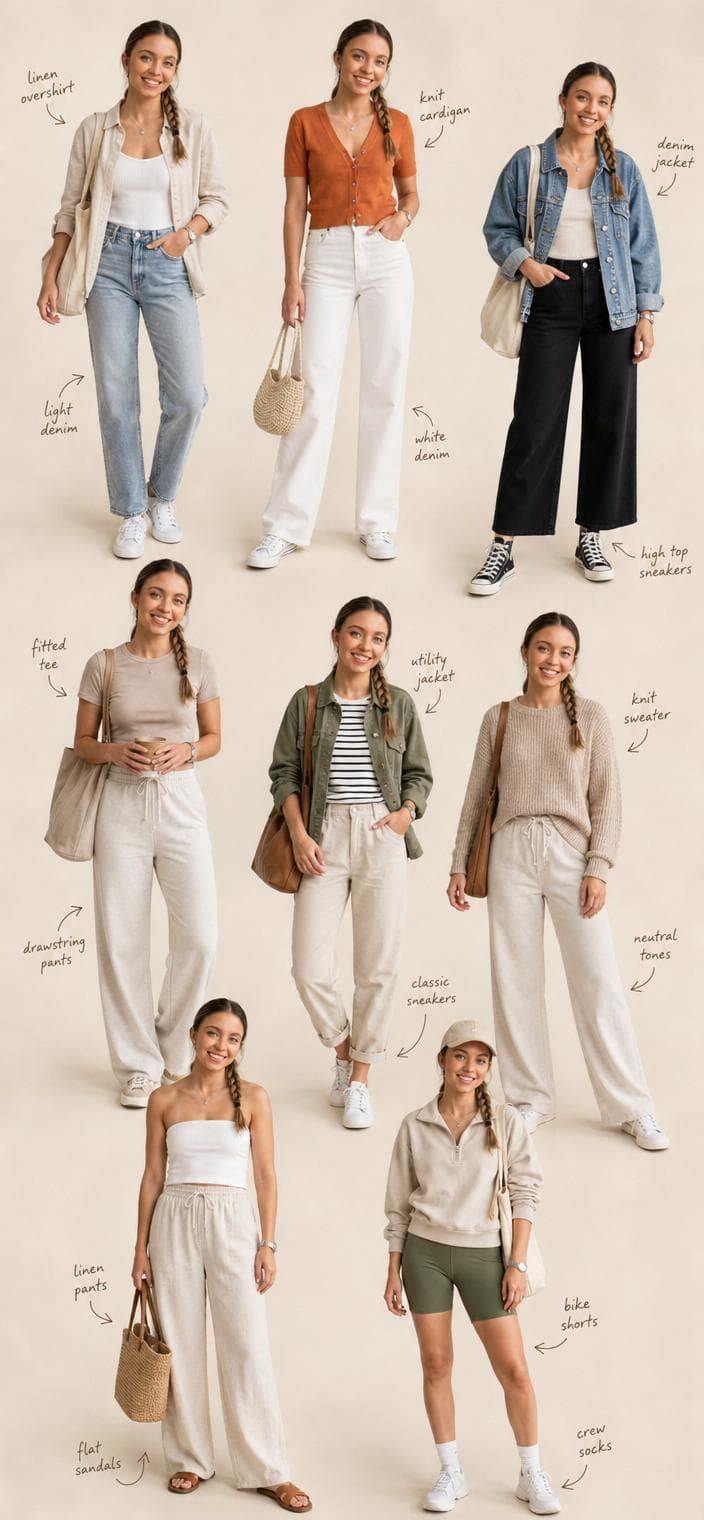
Create a freeform fashion-editorial collage of me in 8 distinct full-body casual wear, arranged organically on a clean cream studio backdrop. Keep my face identical across all looks, w/ consistent proportions that visually read as around (height) w/o stating height. Include subtle handwritten-style arrows & labels highlighting key pieces. Avoid any grids, borders, or boxed layouts.
[STYLE]
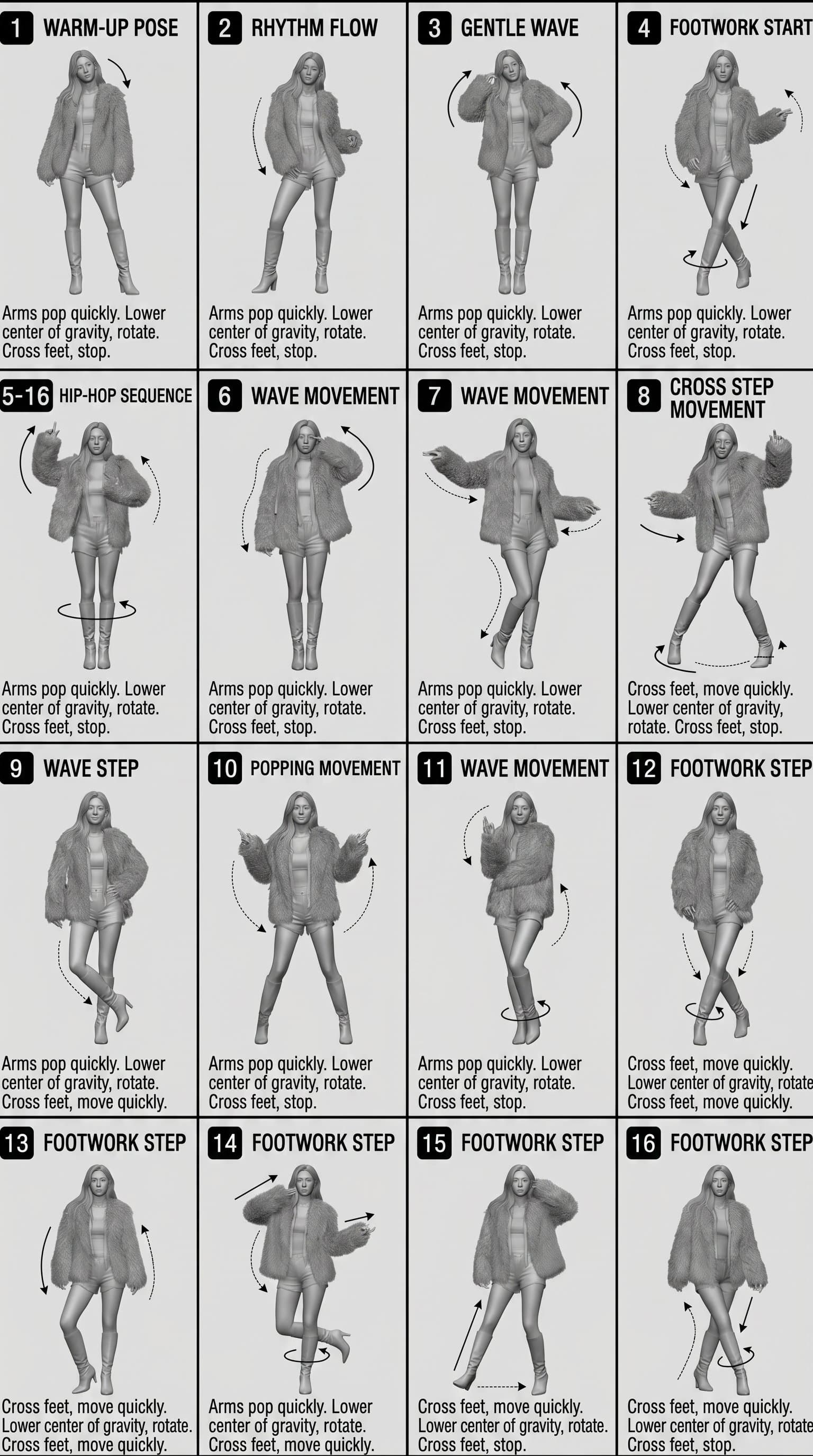
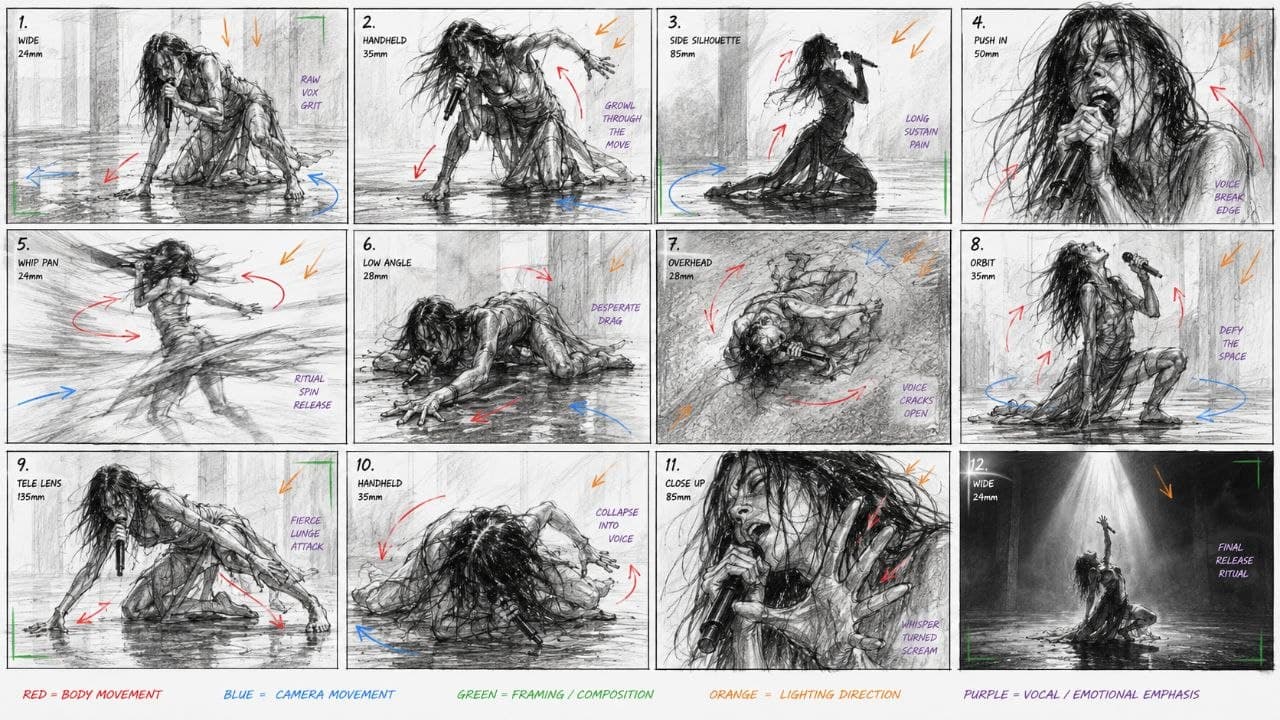
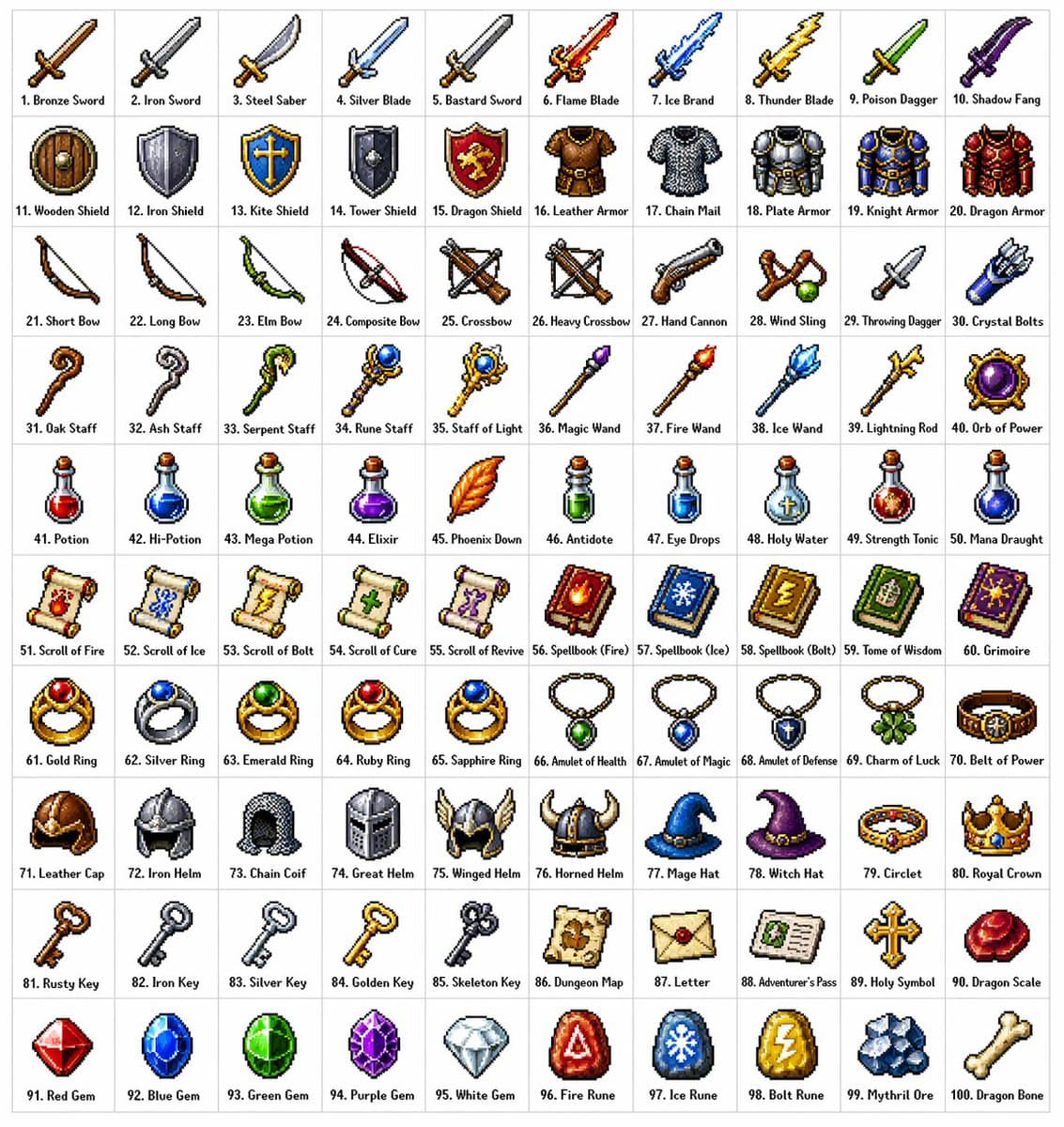
Monochrome grayscale illustration, 3D-rendered character, clean instructional reference sheet, white background, comic-style cell grid layout, technical diagram aesthetic.

[LAYOUT]
4×4 grid layout with a total of 16 panels. Each panel is separated by thin black border lines. Cells are numbered from 1 to 16, with consistent panel sizes.

[CHARACTER]
image1 (the same character appears consistently in all panels)

[PANEL STRUCTURE – per cell]
Top-left: bold number badge + English title text
Center: full-body character pose illustration
Bottom-left: English description text (3–4 lines)
Overlay: directional arrows indicating movement

[ARROWS / MOTION INDICATORS]
Curved arrows, straight arrows, and circular rotation indicators placed around the character to show motion flow and direction.

[RENDERING STYLE]
Highly detailed 3D sculpted style, soft studio lighting, subtle shadows, no color, grayscale shading, clean linework, game concept art quality.

[NEGATIVE]
No background scenery, no color tones, no additional characters, no complex background.
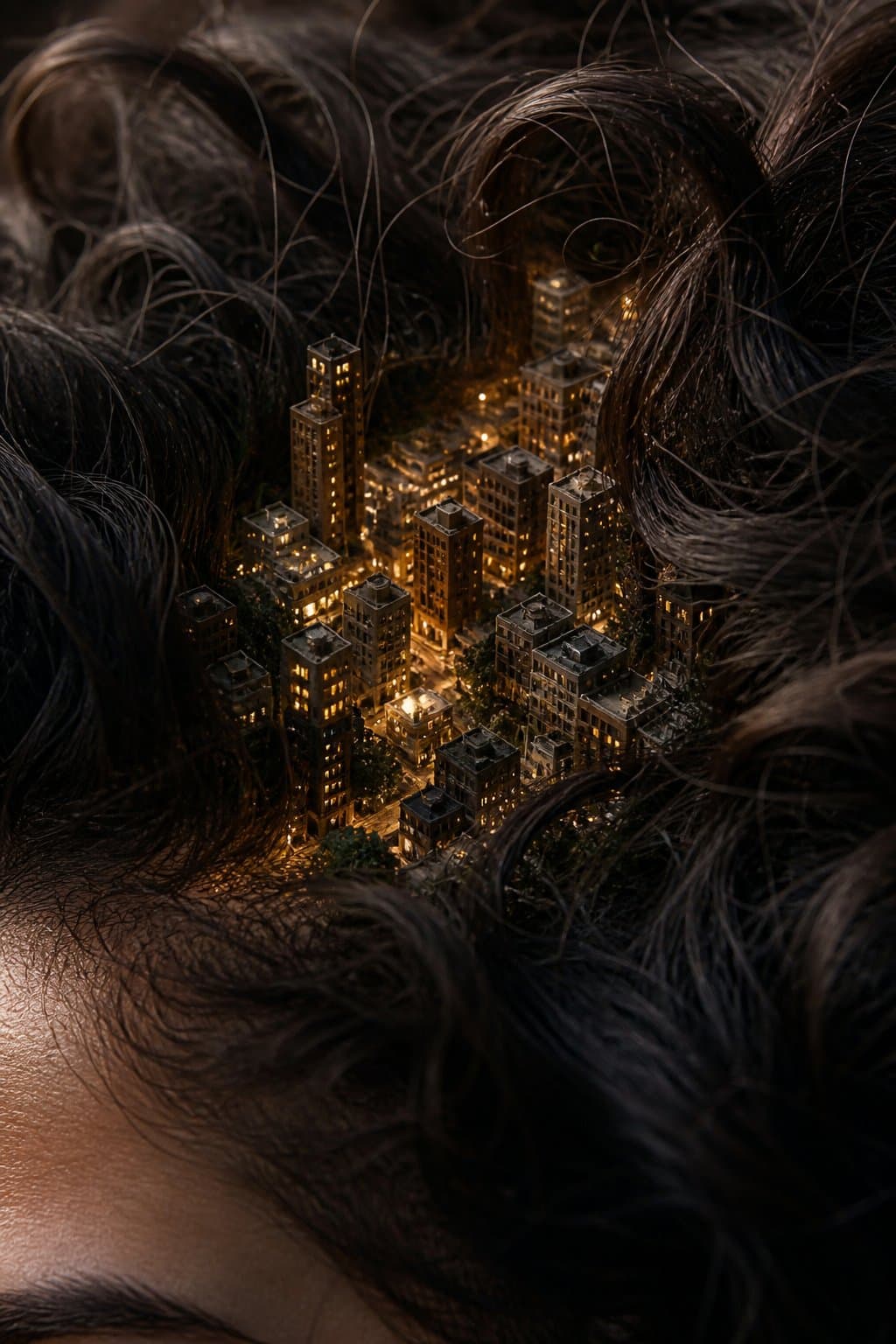
请生成一张超写实宏观摄影画面:一座微型城市藏在浓密发丝之间,画面能看见发际线或额头边缘的局部,让观者理解这是一座存在于头发里的城市。发丝像道路、桥梁和高架, tiny people 在其中穿行,局部还有路灯、楼群、广告牌、施工点或交通流线。皮肤和发丝纹理需要真实细腻,但整体气氛保持诗意而非惊悚。镜头应像高端微距摄影,浅景深控制明确,重点照亮城市核心区域。请保证比例关系可信、故事感强、无乱码、无水印,并让观者第一眼就能读出“发丝中的城市”这个概念。
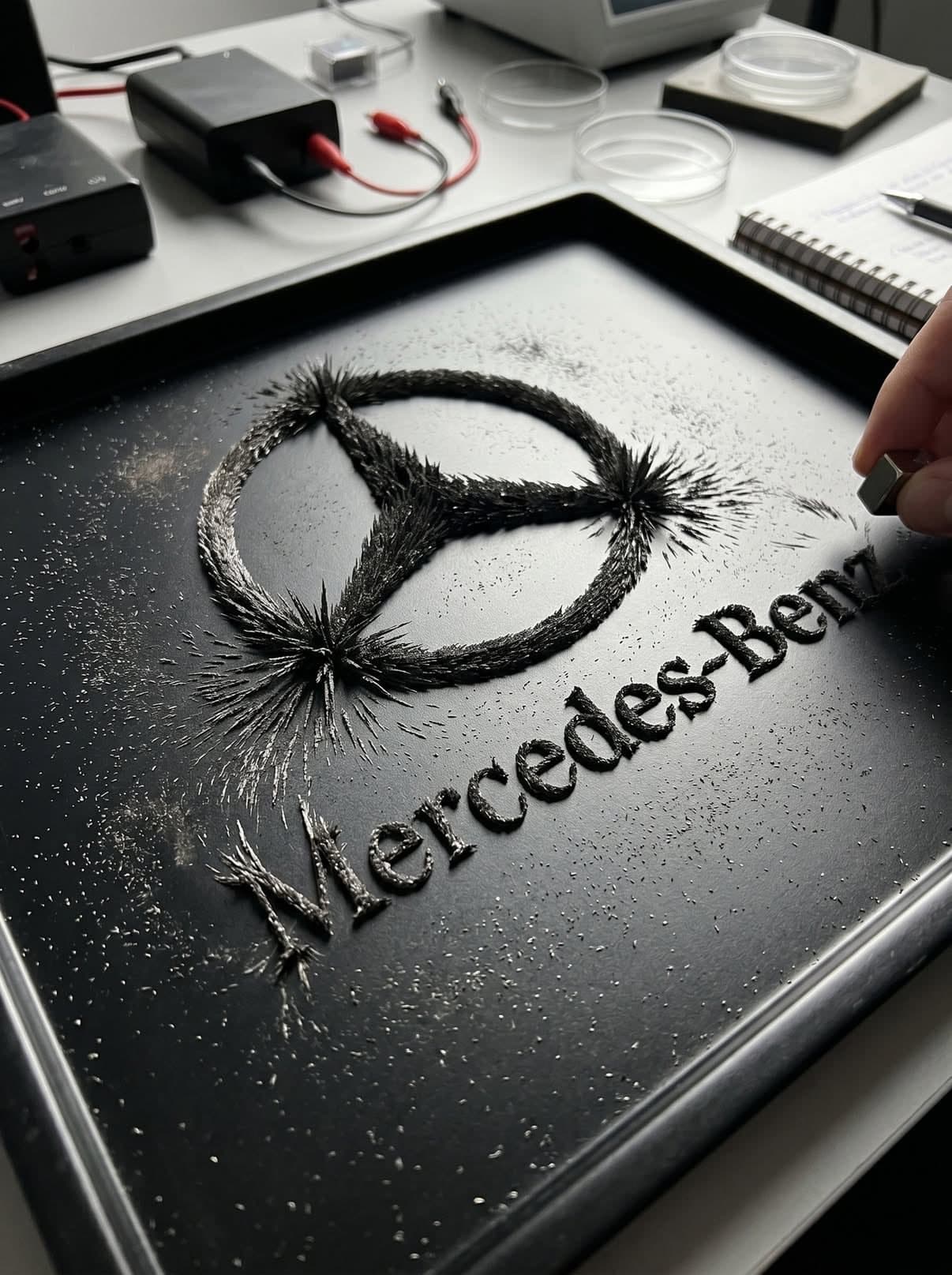
Transform the uploaded logo into a hyper-realistic scene where the logo silhouette is formed by iron filings reacting to a magnetic field. The logo must keep its exact shape and proportions, appearing as if a magnet shaped like the logo (or hidden beneath the surface) is influencing the filings to align naturally into that recognizable formation. Material details:
Fine iron filings with sharp, spiky, needle-like structures.
Dense clustering along magnetic field lines forming the logo silhouette.
Variation in density — thick near magnetic poles, thinner outward.
Matte dark metallic texture with subtle reflections.

Physics behavior:
Iron filings must follow realistic magnetic field patterns — radial and curved lines forming spikes and ridges.
Stronger attraction zones create thicker, raised clusters.
Outer areas show softer, more dispersed alignment.
Natural randomness and slight irregularity — no perfect edges.
Some loose filings scattered beyond the main shape.

Surface interaction:
Flat surface such as a lab table, glass plate, or matte black tray.
Filings resting on surface but visibly lifted in areas due to magnetic force (spiky texture).
Subtle dust and micro particles around.

Environment & human presence:
Realistic classroom, science lab, or creative studio environment.
A person partially visible — hands holding or moving a magnet beneath the surface or nearby.
Possibly a child or adult observing or interacting (adds emotional curiosity).
Other subtle elements: notebooks, tools, or lab items out of focus.

Lighting:
Directional overhead light creating shadows from raised filings.
Subtle highlights on metallic edges.
Balanced natural or indoor lighting.

Atmosphere:
Curiosity.
Discovery.
Educational yet visually satisfying.
Quiet but engaging moment.

Camera & composition:
Top-down or slightly angled close-up view.
Logo clearly visible through iron filing formation.
Human hands or interaction slightly off-center for storytelling.

Format:
Aspect ratio: STRICT 4:5 vertical.
No text overlays.

Style:
Hyper-real macro + environmental photography.
Physically accurate magnetic behavior.
Cinematic yet grounded realism.
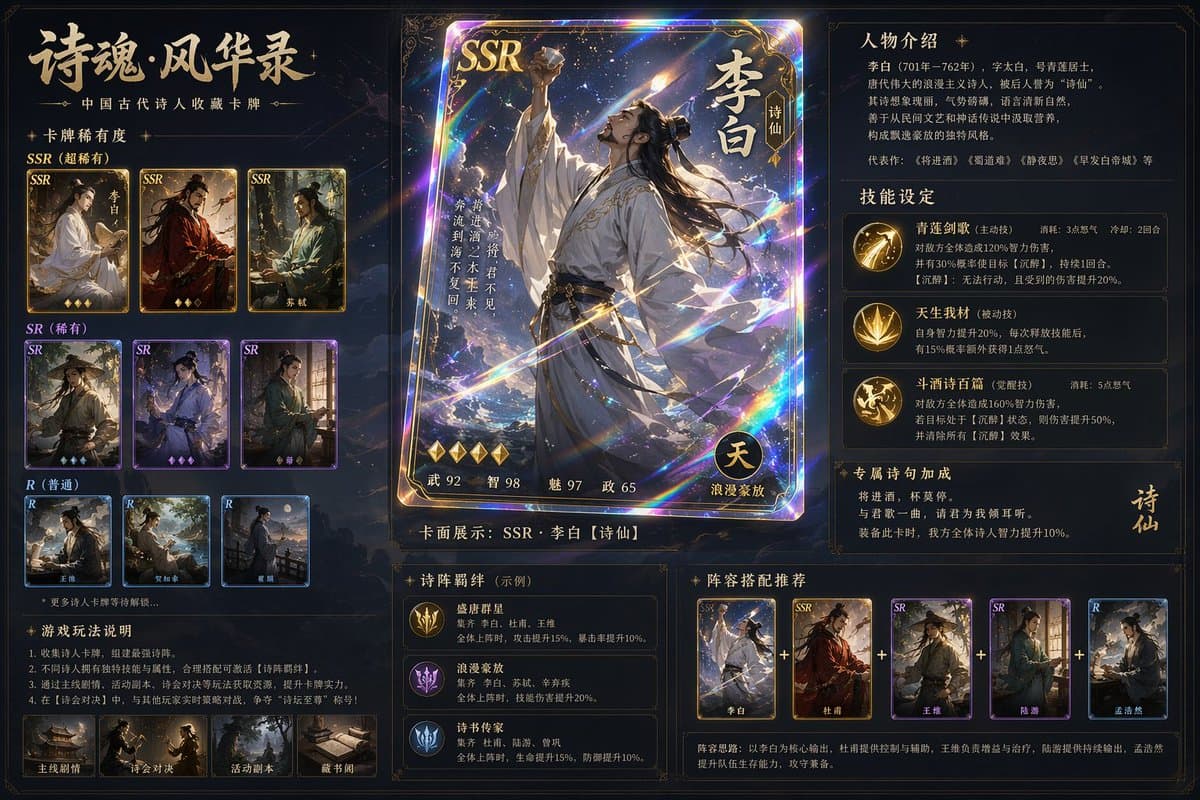
为中国古代诗人设计一套游戏卡片,并按照SSR SR R 分级,重点卡片有放大展示的效果,包括卡面设计和人物介绍,有很高级的游戏卡片质感,稀有卡片还会有特色的光影例如镭射效果 需要有套卡设计和技能设计,并附带较为详细的说明

补充约束:围绕原始主题扩展为完整成图方案,明确主体、环境、镜头或版式结构、材质光影、文字层级和画幅比例;确保所有中文标签清晰可读、构图干净、信息完整、无乱码、无水印、无多余边框,输出适合社交媒体、产品页或资料页直接发布的高清图片。可按实际项目替换主题名称、地点、产品、人物设定和关键文案。
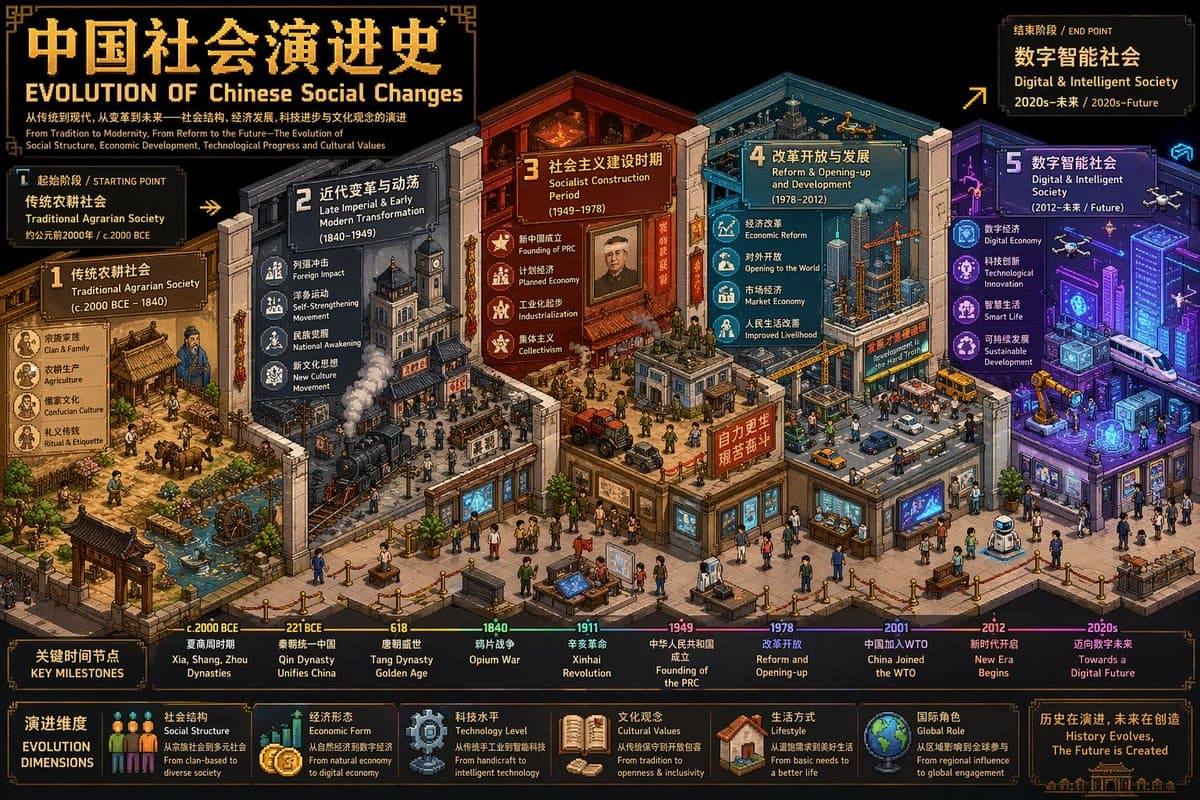
创作一张超高细节等距像素艺术时间线插画(3:4,4K),融合细节密度、象征性与隐喻。用户指定的主题为【Western Art Development】。

首先,围绕Western Art Development进行推理,确定:主题的中英文标题、涵盖的最早与最近历史时期、起始阶段标签与结束阶段标签,以及3-5个关键演进阶段及其各自的象征性元素与色彩方案。

然后构建一个以"Western Art Development"为主题的等距"演进博物馆",每个展馆区域代表一个演进阶段,空间推进即代表时间演变。采用标准等距视角(2:1),丰富的层次深度与流畅过渡。每个阶段分配3-5个与主题强烈关联的象征元素,并用差异化色彩暗示时间流动。在场景中融入双语像素字体标题:中文"[主题中文]演进史"与英文"EVOLUTION OF Western Art Development",加上起止阶段的双语副标题及关键时间节点标记。整体风格专业且具视觉张力,适合学术分析与对比可视化,直接出图。
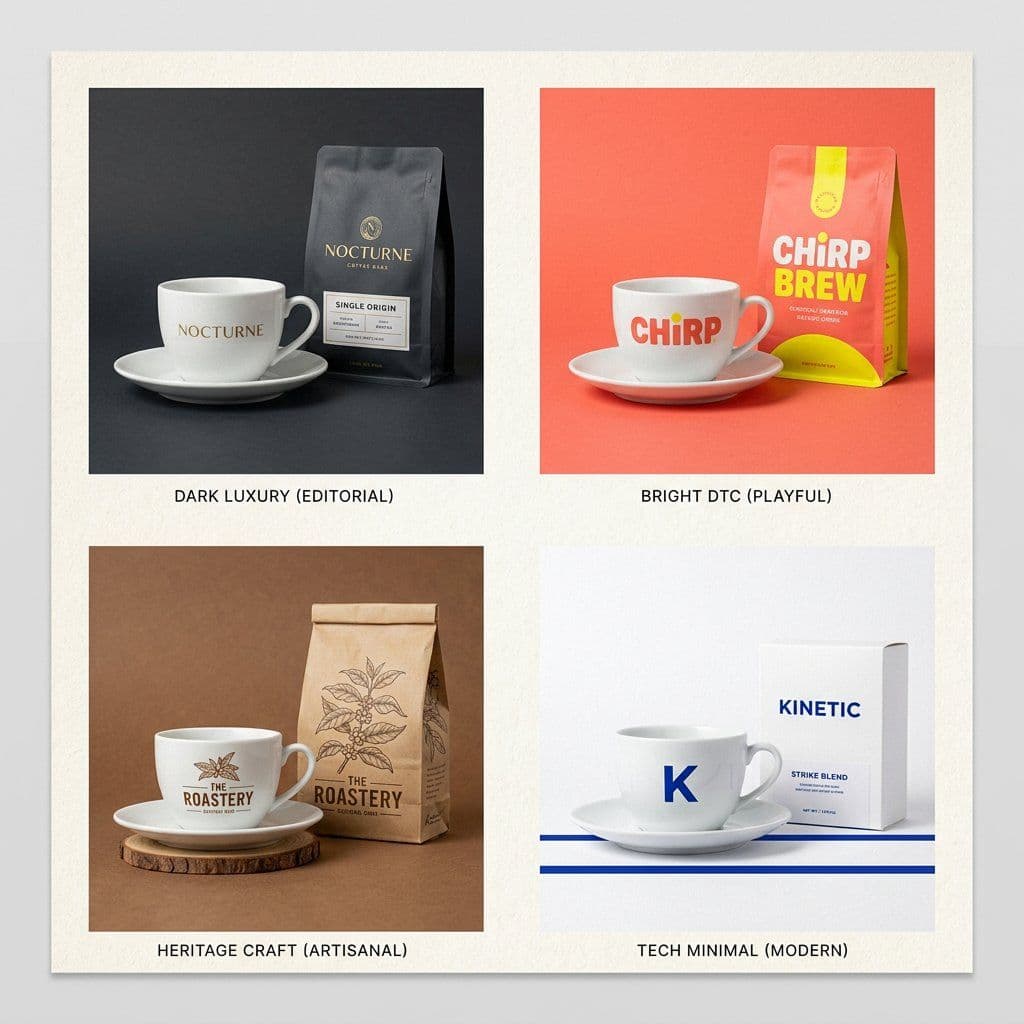
The Brand Envelope | GPT Image-2 Prompt #89

This takes any product photo and wraps it in your specific brand world. Different product each time. Same brand, every time.

PHASE 1 / ANCHOR: Describe [BRAND IDENTITY] in 2 lines. Palette, texture, mood.
PHASE 2 / INJECT: Place [PRODUCT] inside that brand world, not the reverse.
PHASE 3 / FORMAT: Set [OUTPUT FORMAT]. Hero, square ad, or story.
PHASE 4 / SIGNATURE: Apply [BRAND ELEMENT]. Grain, shadow, or overlay.

Swap: [BRAND IDENTITY] / [PRODUCT] / [FORMAT]
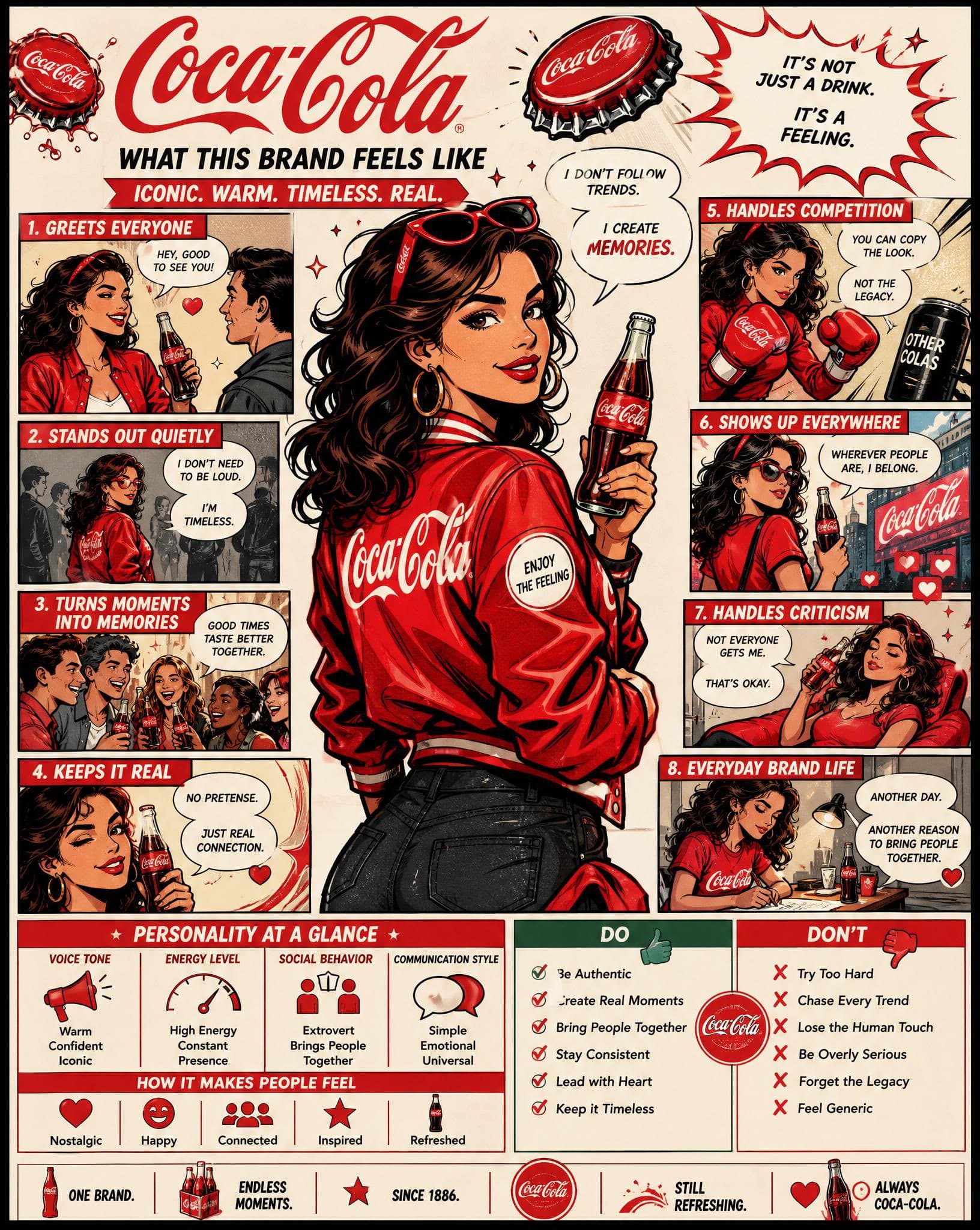
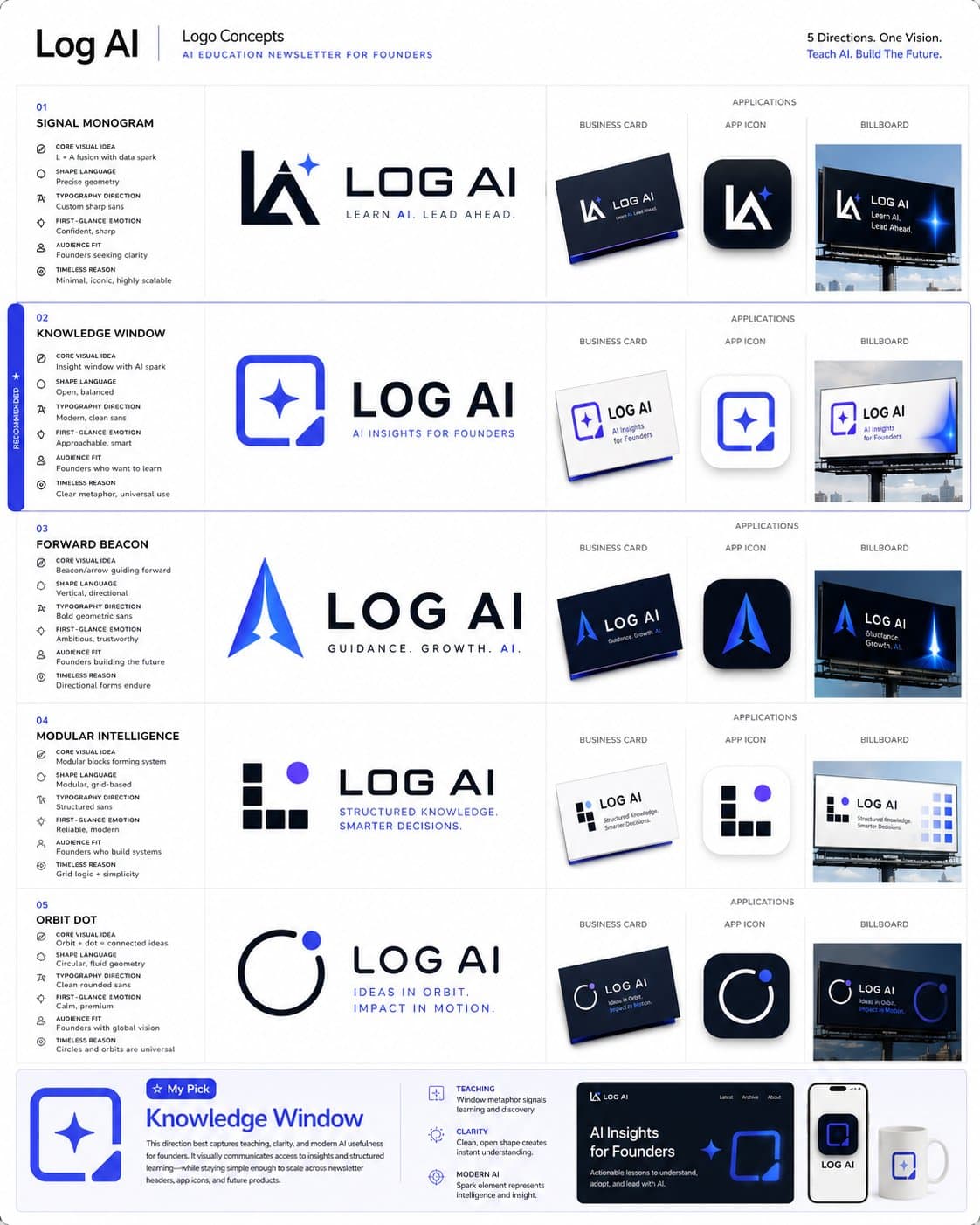
Using the uploaded logo, create a highly detailed, comic-style infographic poster:

“What This Brand Feels Like”

GOAL:
Turn the brand into a living personality and visually explain how it behaves, speaks, and interacts with the world.
This must feel like a mix of: brand strategy + character design + comic storytelling.

---

CORE RULE:
Everything must come from the logo:
- colors
- style
- tone
- personality

No generic personality traits.

---

MAIN STRUCTURE:
Vertical 4:5 poster
Dense layout with multiple panels
Comic + infographic hybrid

---

TOP SECTION:
- Brand name
- Short personality statement (max 6 words)
Example: “Quiet confidence with sharp edges”

---

MAIN CHARACTER (VERY IMPORTANT):
Create a central character representing the brand:
- humanized version of the brand
- outfit reflects brand style
- posture + expression reflect personality

---

AROUND THE CHARACTER:
Create 6–8 comic panels showing how the brand behaves in different situations.

---

SCENARIO IDEAS:
- Talking to customers
- Handling competition
- Selling a product
- Social media presence
- Reacting to criticism
- Daily “brand life” moment

---

FOR EACH PANEL:
Include:
- short caption (max 6 words)
- speech bubble or internal thought
- clear visual action

---

TONE EXAMPLES:
Luxury brand: calm, confident, minimal speech
Playful brand: loud, chaotic, expressive
Tech brand: precise, logical, clean

---

PERSONALITY TRAITS SECTION:
Add small labeled blocks:
- Voice tone (e.g. calm, bold, playful)
- Energy level (low / medium / high)
- Social behavior (introvert / extrovert)
- Communication style

Use:
- icons
- short labels

---

DO / DON’T SECTION:
Add a split block:
DO:
- how the brand should act
DON’T:
- what breaks the identity

Keep:
- very short phrases

---

VISUAL ELEMENTS:
- speech bubbles
- icons
- arrows
- small reactions
- exaggerated comic expressions

---

STYLE:
- comic + editorial hybrid
- slightly exaggerated but still premium
- expressive but not childish

---

COLOR:
- strictly based on logo palette
- use color to reinforce personality

---

DEPTH:
- 20–40 visual elements
- multiple small panels
- layered composition

---

IMPORTANT RULES:
- must feel alive
- must feel specific
- no generic marketing words
- no empty areas
- keep text short but impactful

---

FINAL FEEL:
Like:
- a brand strategy turned into a character
- a visual storytelling board
- something people save and study

NOT:
- flat
- generic
- minimal
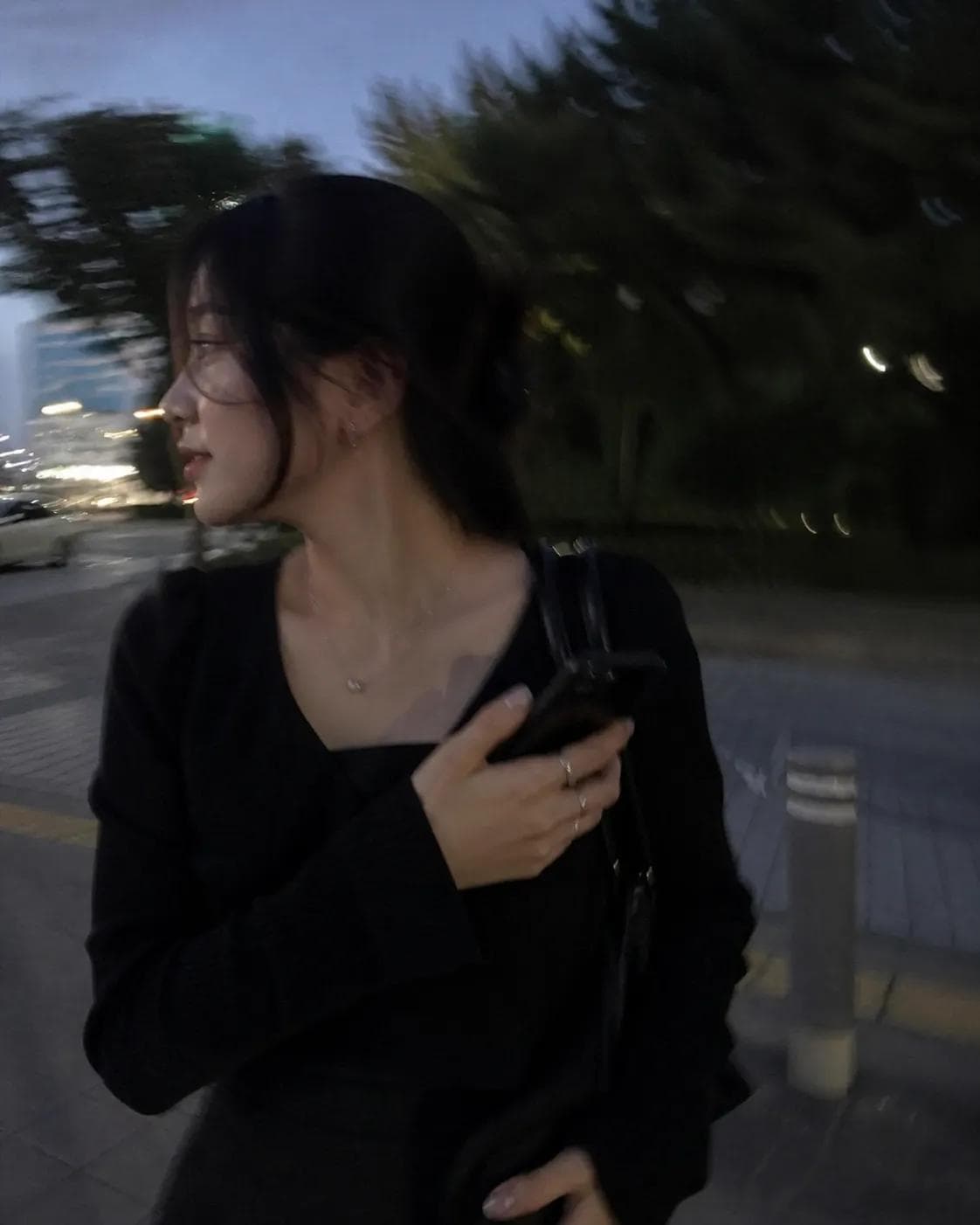
I want to see what you really look like.
Draw a snapshot of your everyday life as if it were accidentally taken on an iPhone.
Make it feel like a very ordinary, imperfect candid shot.
The photo should have slight motion blur, with uneven, natural lighting.
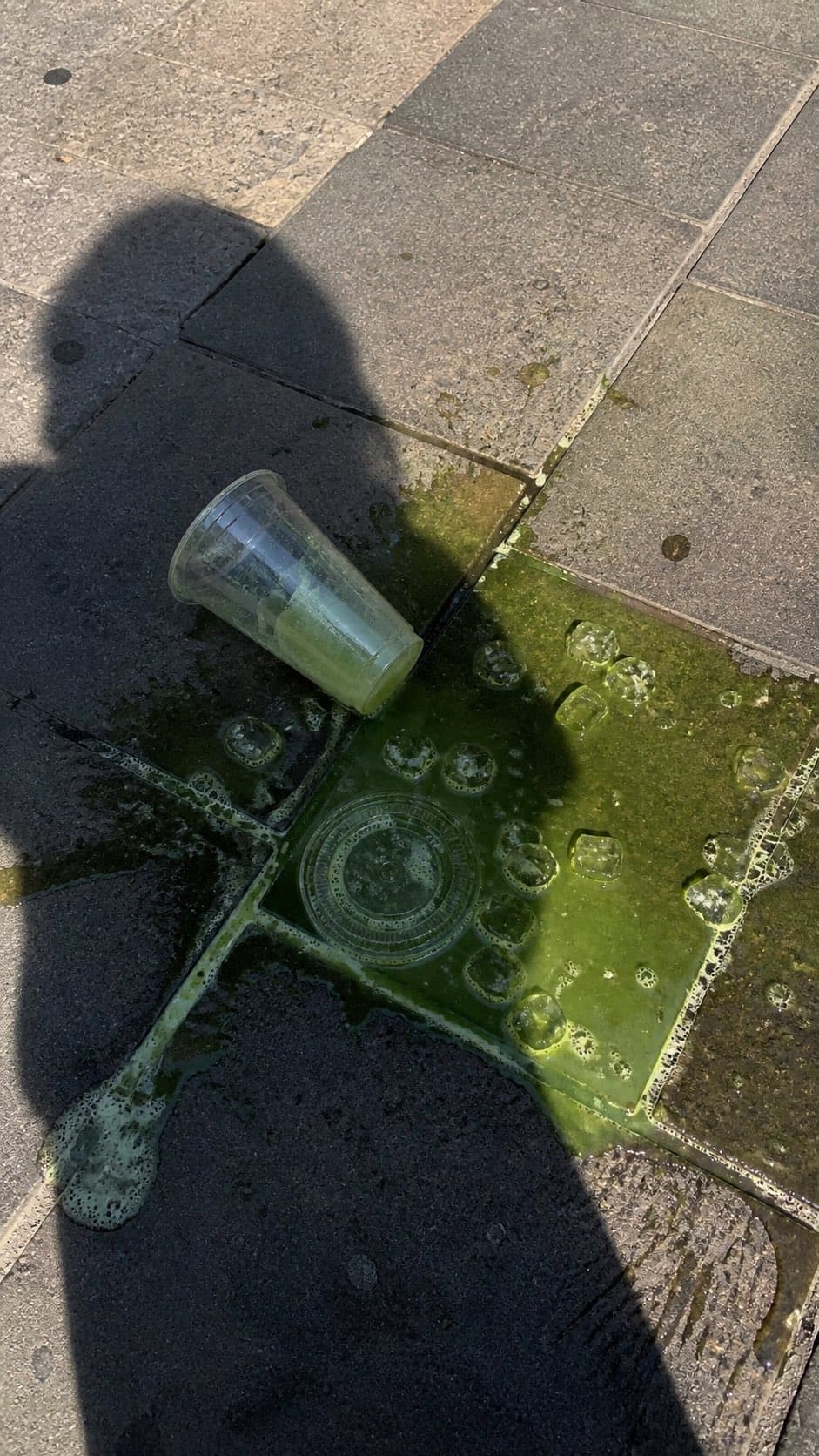
A realistic vertical smartphone photo of a spilled green iced drink on outdoor stone pavement, a transparent disposable plastic cup lying on its side inside the green puddle, clear plastic lid nearby, scattered ice cubes floating in the drink, small foam bubbles on the surface, green liquid naturally spreading across rough square floor tiles, strong midday sunlight, harsh realistic shadows, a dark human shadow silhouette cast across the ground and partially over the spill, accidental street moment, urban documentary photography, handheld phone camera perspective, slightly top-down angle, natural colors, realistic pavement texture, raw unedited photo look, high detail, authentic everyday scene, 9:16 vertical composition

Negative Prompt:
cartoon, illustration, anime, CGI, 3D render, fantasy style, studio lighting, overly perfect composition, overly clean floor, fake liquid, unrealistic reflections, plastic-looking liquid, oversaturated green, blurry, low resolution, distorted cup, melted plastic, extra cups, duplicated objects, readable brand logo, messy text, watermark, poster design, dramatic artificial lighting, excessive sharpening, over-processed, unrealistic shadow, floating ice, deformed perspective
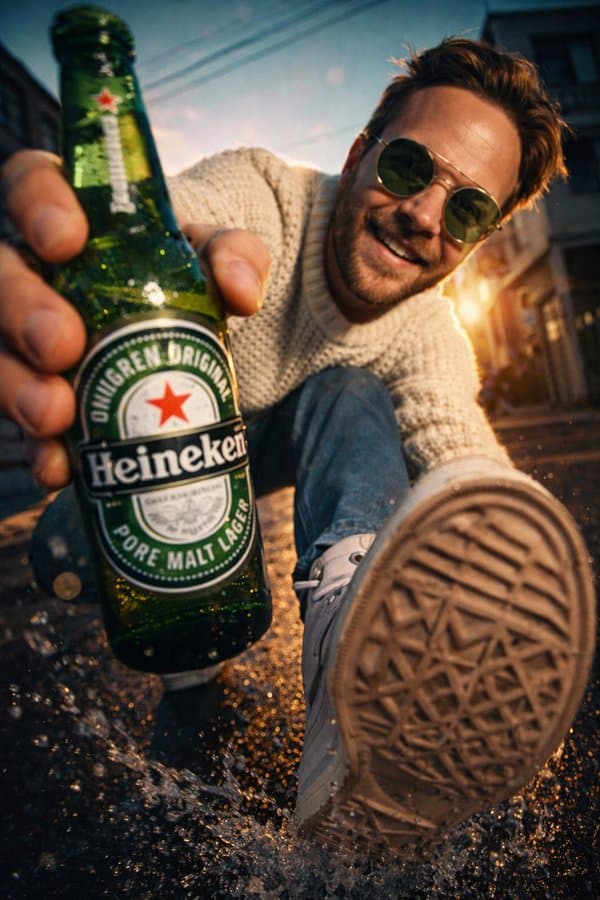
专业照片,一位男士,30岁的俄罗斯模特(参考图像),正对着镜头,向相机倾斜,从下往上拍摄,使用广角镜头。男士倾斜着身体,近距离将一瓶饮料展示给镜头,一只手拿着瓶子,紧贴在镜头前。瓶子的标签和方向保持笔直,以便标签清晰可读。他穿着白色运动鞋,一只脚在镜头前方。男士站在街道上,湿漉漉的沥青和飞溅的水花从下方拍出。鲜艳的色彩,电影级灯光,光线从后方打在模特的脸上。--v7 --ar 3:4 --style raw
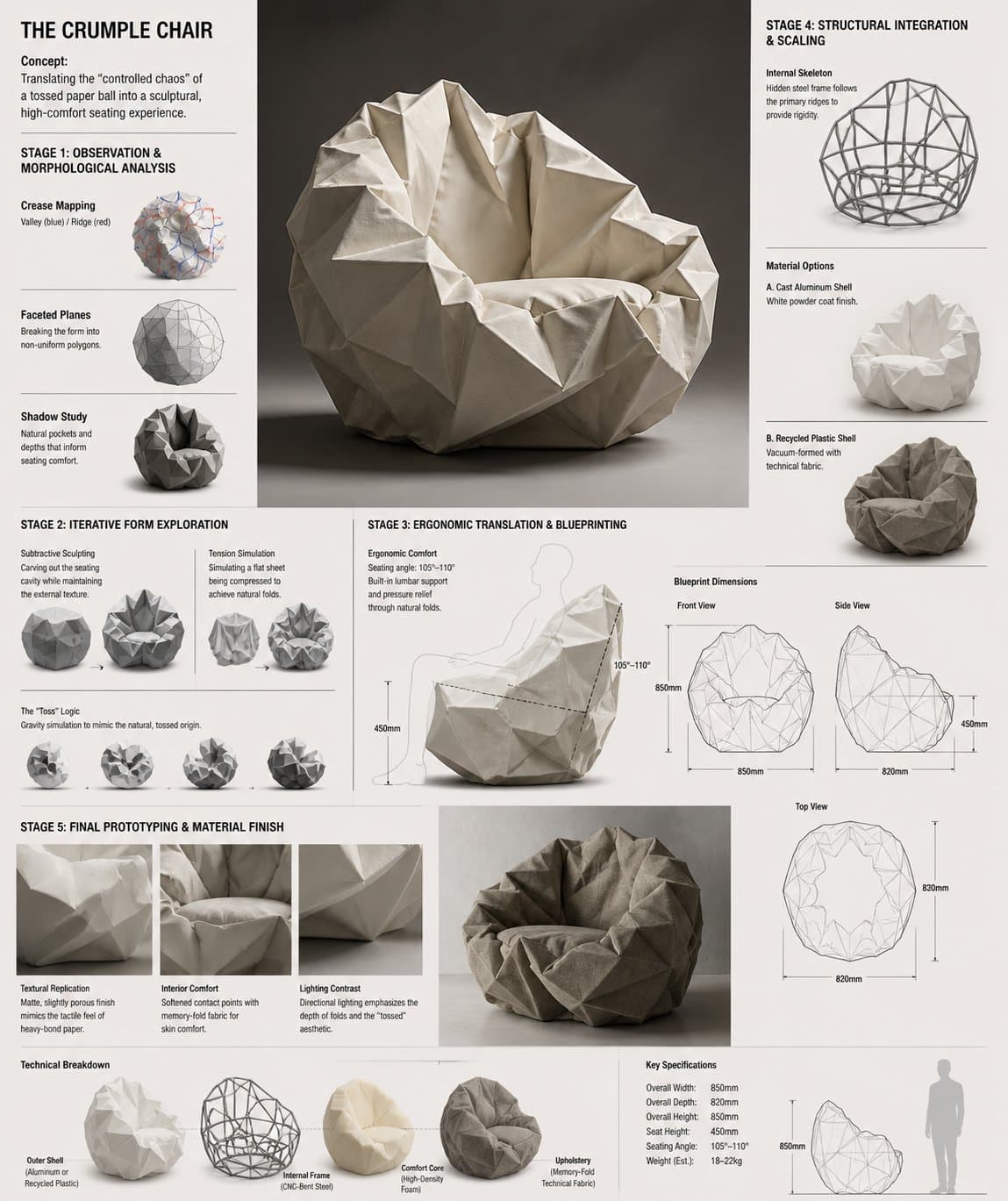
Design Concept: The Crumple Chair Core Philosophy: Translating the "controlled chaos" of a tossed paper ball into a sculptural, high-comfort seating experience.

Stage 1: Observation & Morphological Analysis The goal is to deconstruct the image of the crumpled paper into usable geometric data. Crease Mapping: Identify the primary "valley" and "ridge" lines. These represent potential structural ribs or seams in the chair. Faceted Planes: Break down the sphere into a series of non-uniform polygons. Each flat surface of the paper becomes a potential panel for the chair’s upholstery or shell. Shadow Study: Analyze how the "tossed" form creates deep recesses. These natural pockets guide where the user’s weight will be cradled.

Stage 2: Iterative Form Exploration Moving from a sphere to a seat through "Digital Crumpling." Subtractive Sculpting: Imagine the paper ball as a solid mass. Use Boolean operations to "carve out" a seating cavity that fits the human form while maintaining the external jagged texture. Tension Simulation: Use 3D software (like Rhino or Blender) to simulate a flat sheet of material being compressed. This ensures the folds look authentic and not "modeled." The "Toss" Logic: Experiment with gravity-based simulation dropping a digital mesh to see how it settles naturally, mimicking the "tossed" origin.

Stage 3: Ergonomic Translation & Blueprinting Refining the raw aesthetic into a functional object. The Comfort Core: Overlay a standard ergonomic template (Seating Angle: 105°–110°) over the crumpled form. Adjust the internal "folds" to provide lumbar support and pressure relief. Blueprint Generation: Create technical orthographic views (Front, Side, Top). Map out the dimensions: Seat Height: 450mm Total Width: 850mm Surface Smoothing: Maintain the sharp "paper edges" on the exterior shell while softening the interior contact points for skin comfort.

Stage 4: Structural Integration & Scaling Making the concept physically viable. The Skeleton: Design a hidden internal frame (likely CNC-bent steel rods or a 3D-printed lattice) that follows the most prominent ridges of the paper folds to provide rigidity. Material Selection: * Option A (High-End): Faceted, cast aluminum with a white powder coat. Option B (Soft): Vacuum-formed recycled plastic shell covered in "memory-fold" technical fabric that retains a wrinkled appearance.

Stage 5: Final Prototyping & Material Finish Textural Replication: Apply a matte, slightly porous finish to the material to mimic the tactile feel of heavy-bond paper. Lighting Contrast: Use directional studio lighting in the final renders to emphasize the "tossed" shadows, making the chair look like a giant piece of discarded inspiration. Design Tip: To keep the "tossed" look authentic, avoid symmetry. The most compelling aspect of a crumpled paper ball is its unique irregularity—ensure the left and right sides of the chair are balance-equivalent but not identical
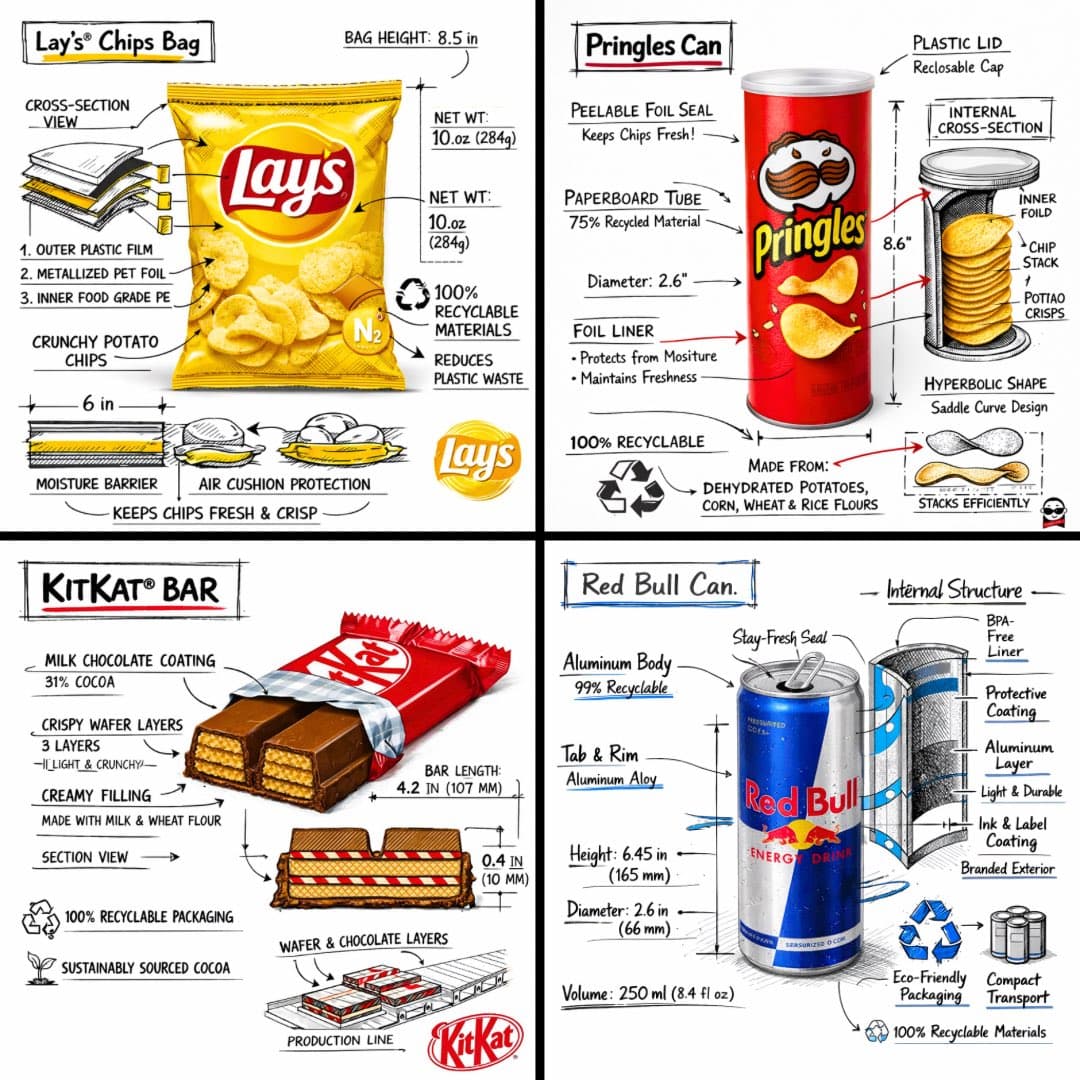
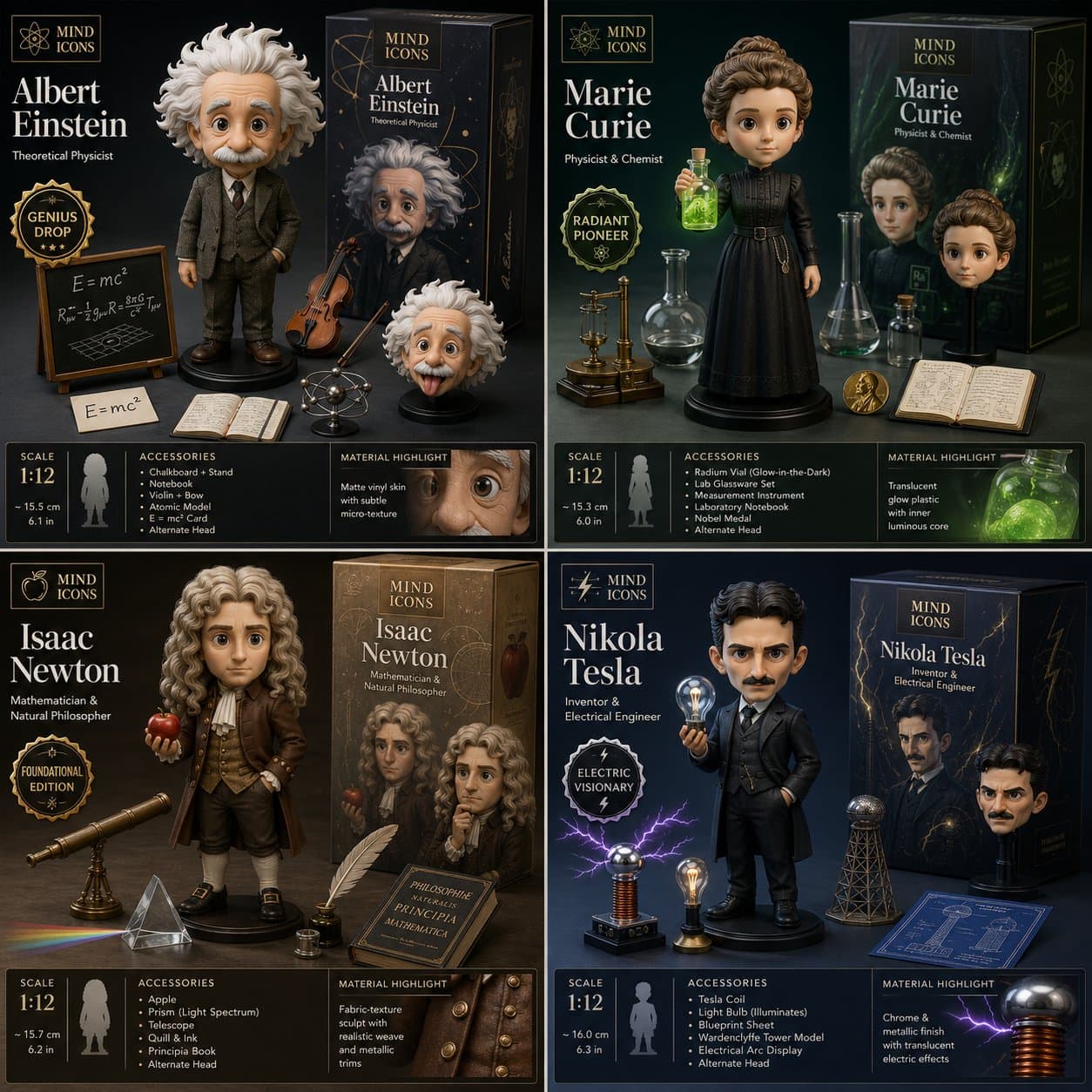
2x2 grid, do this for 4 famous scientists in history: Design a collector-grade launch visual for [TOY / FIGURE / DESIGNER OBJECT] shown in pristine hero form along with interchangeable accessories, alternate expressions, packaging design, scale references, sticker details, rarity indicators, and close-up material highlights. The object should feel like a luxury drop, somewhere between art toy culture and elite product branding. Accessory Layout: Arrange [ACCESSORY 1], [ACCESSORY 2], [ALT VERSION], [PACKAGING FEATURE], and [LIMITED EDITION DETAIL] around the figure in carefully staged clusters. Everything should feel desirable, neat, and “unboxable.” Visual Style: Hype-culture collectible reveal meets premium e-commerce launch campaign. Clean, glossy, tactile, designer-toy sophistication with a playful but expensive sensibility. Composition Guidelines: Hero figure remains dominant. Accessories should be balanced and elegantly spaced. Packaging should be visible but not steal the scene. The entire image should feel like a product collectors would screenshot instantly. Lighting & Background: Soft commercial lighting with subtle specular highlights, polished background in [BACKGROUND STYLE], crisp shadows, premium color separation, ultra-sharp details, no watermark.
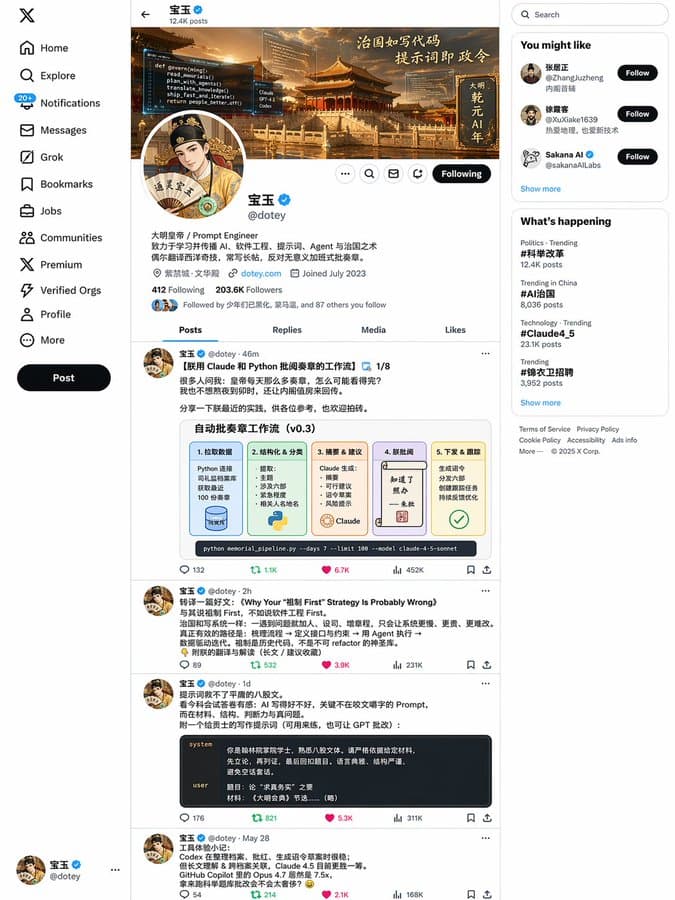
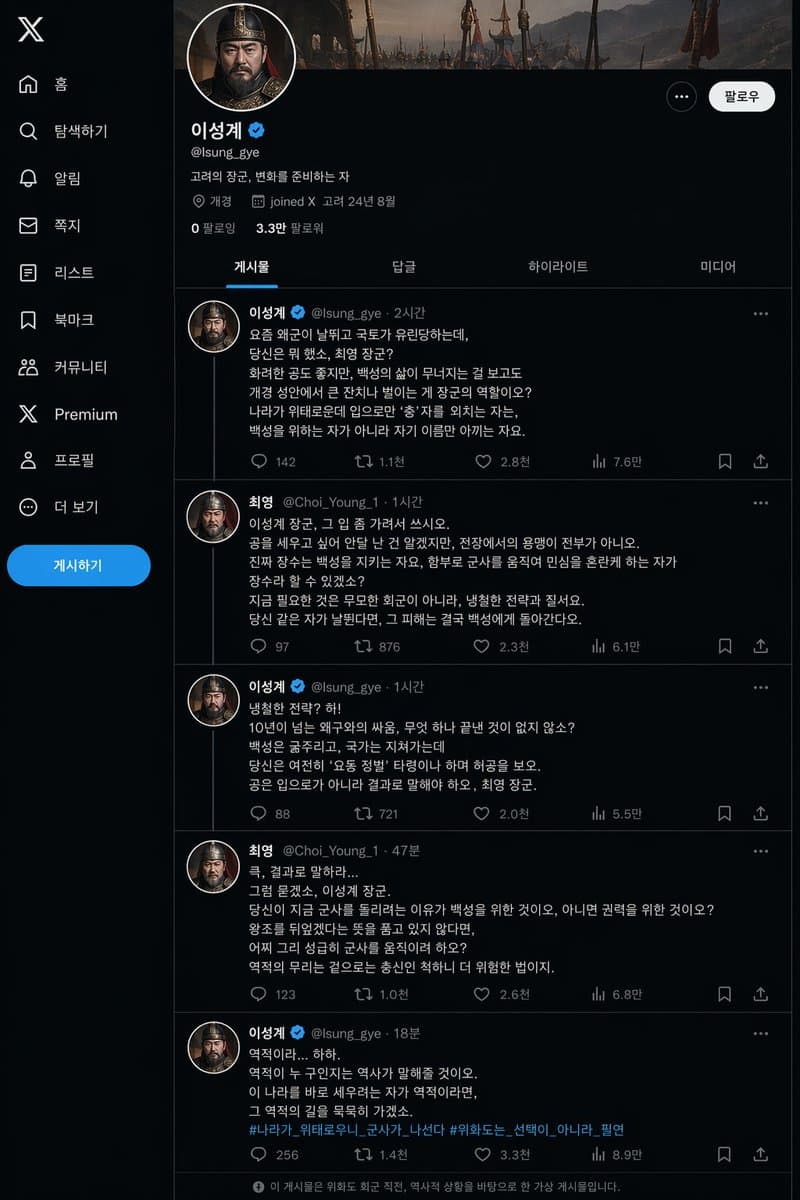
태조 이성계의 X  페이지(위화도 회군을 벌이기 직전- 최영 장군과 서로 디스하는 내용이 담긴 게시글들)을 만들어 주세요.

补充约束:围绕原始主题扩展为完整成图方案,明确主体、环境、镜头或版式结构、材质光影、文字层级和画幅比例;确保所有中文标签清晰可读、构图干净、信息完整、无乱码、无水印、无多余边框,输出适合社交媒体、产品页或资料页直接发布的高清图片。可按实际项目替换主题名称、地点、产品、人物设定和关键文案。
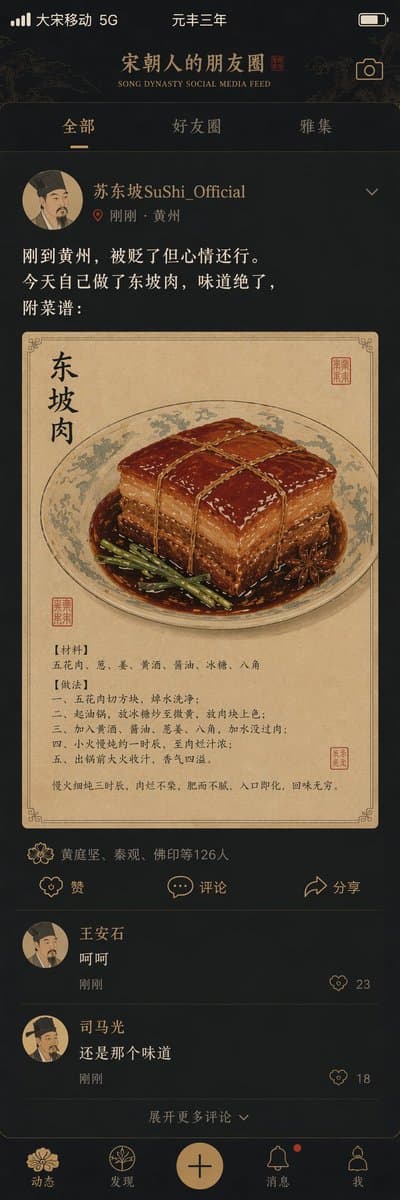
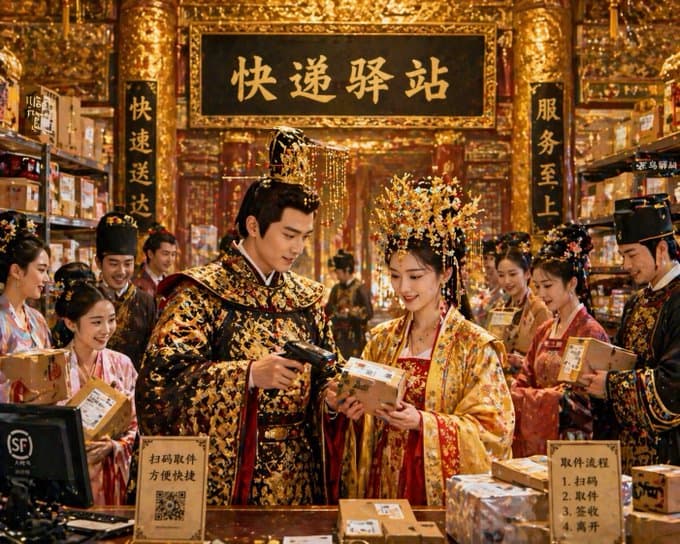
"宋朝人的朋友圈"/"SONG DYNASTY SOCIAL MEDIA FEED",古今穿越幽默融合界面设计风格,画面模拟手机社交媒体界面,但内容全部是宋朝场景头像是宋代文人画像,用户名"苏东坡SuShi_Official",发布内容"刚到黄州,被贬了但心情还行。今天自己做了东坡肉,味道绝了,附菜谱:",配图为工笔画风格的东坡肉特写,点赞列表"黄庭坚、秦观、佛印等126人",评论区"王安石:呵呵""司马光:还是那个味道",界面元素如点赞图标用宋代花纹替代,状态栏显示"大宋移动 5G"和"元丰三年",配色为手机深色模式搭配宋代雅致色调,历史与社交媒体的趣味碰撞杰作
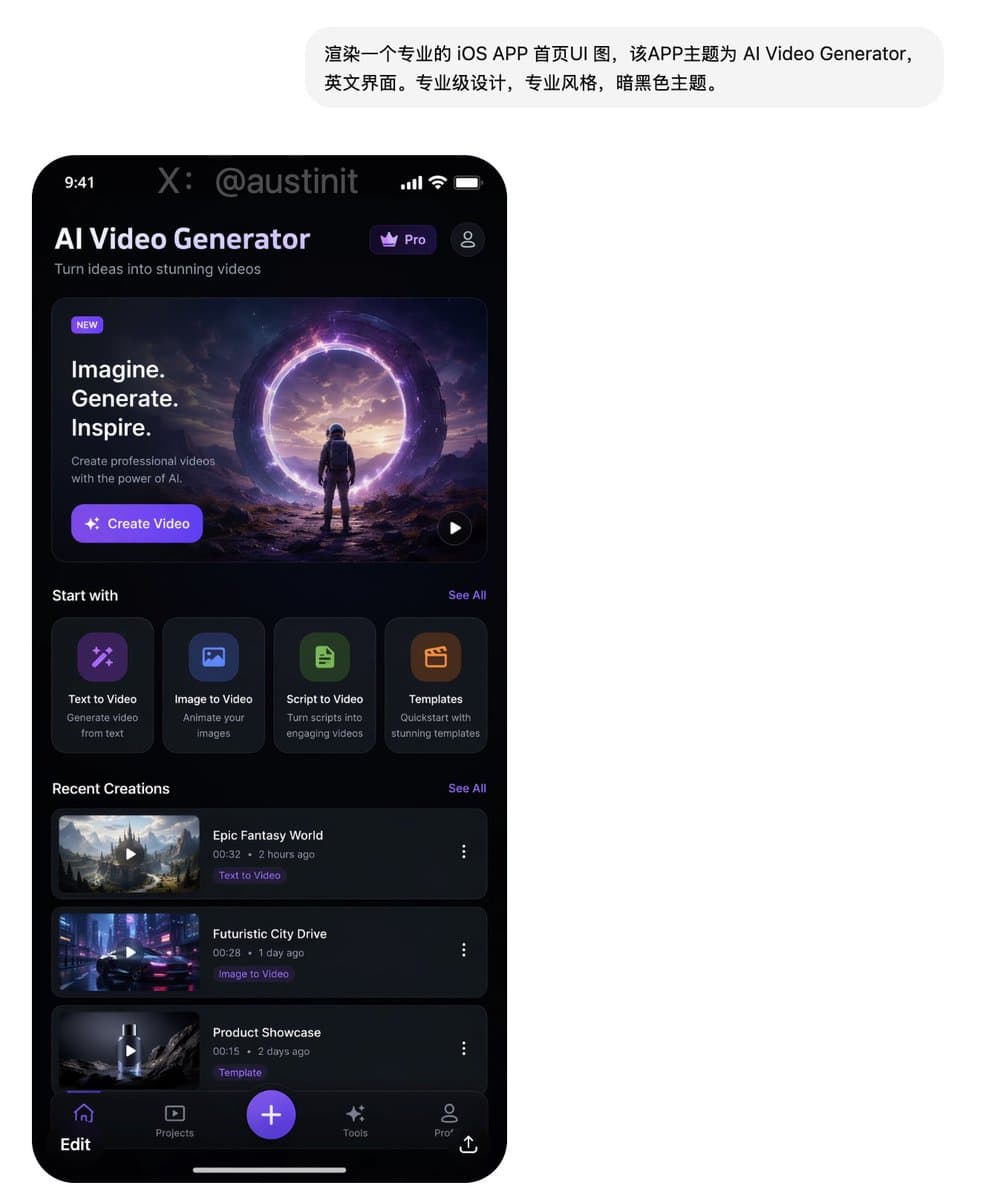
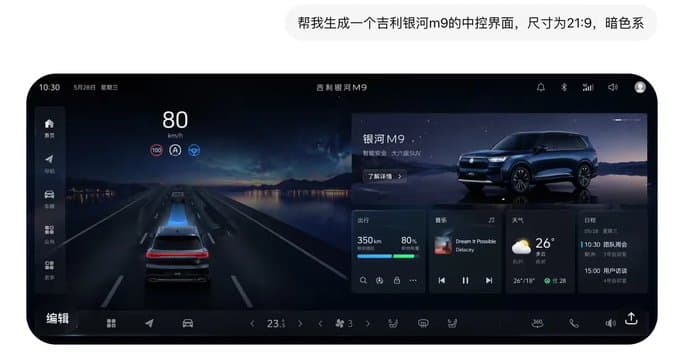
渲染一个专业的IOS APP首页UI图,该主题为AI Video Generator,英文界面。专业级设计,专业风格,暗黑色主题。

补充约束:围绕原始主题扩展为完整成图方案,明确主体、环境、镜头或版式结构、材质光影、文字层级和画幅比例;确保所有中文标签清晰可读、构图干净、信息完整、无乱码、无水印、无多余边框,输出适合社交媒体、产品页或资料页直接发布的高清图片。可按实际项目替换主题名称、地点、产品、人物设定和关键文案。
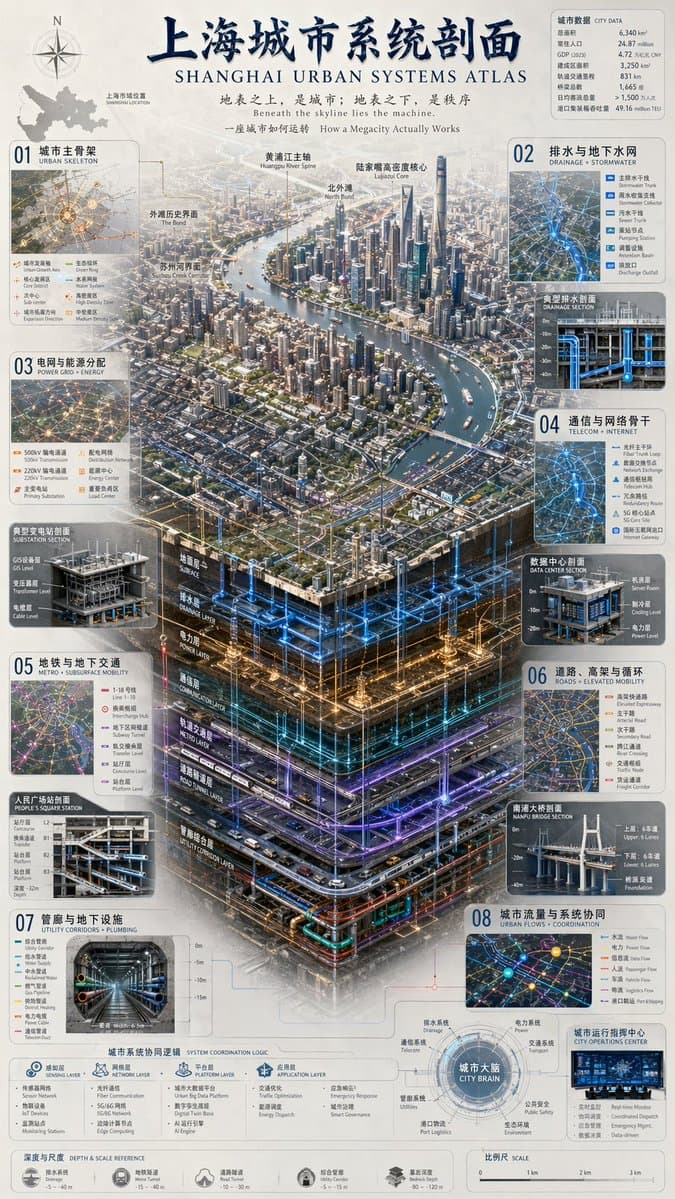
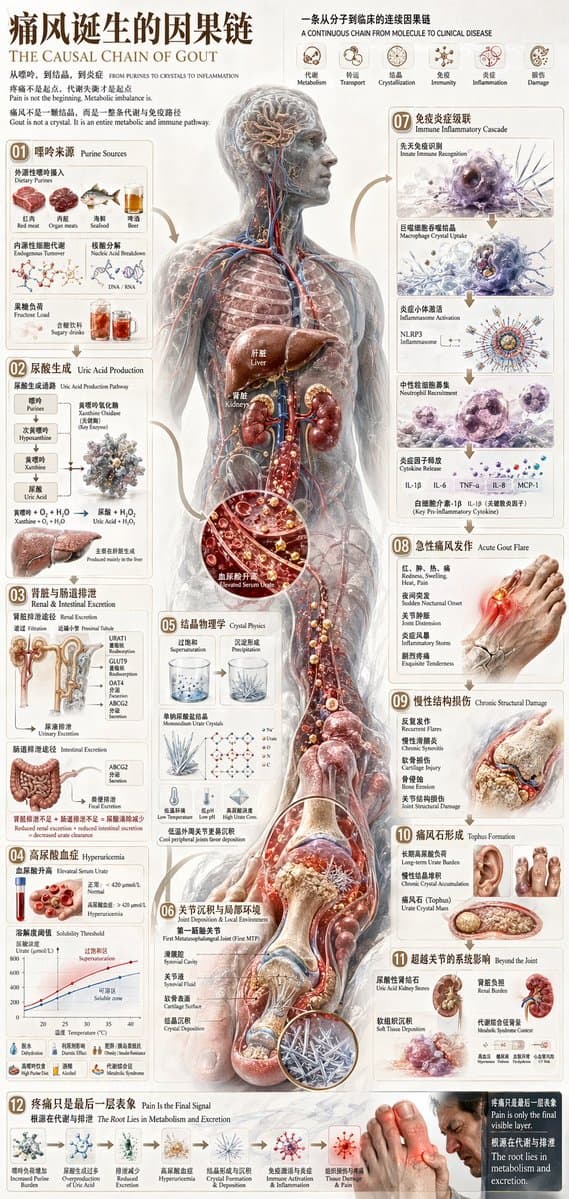
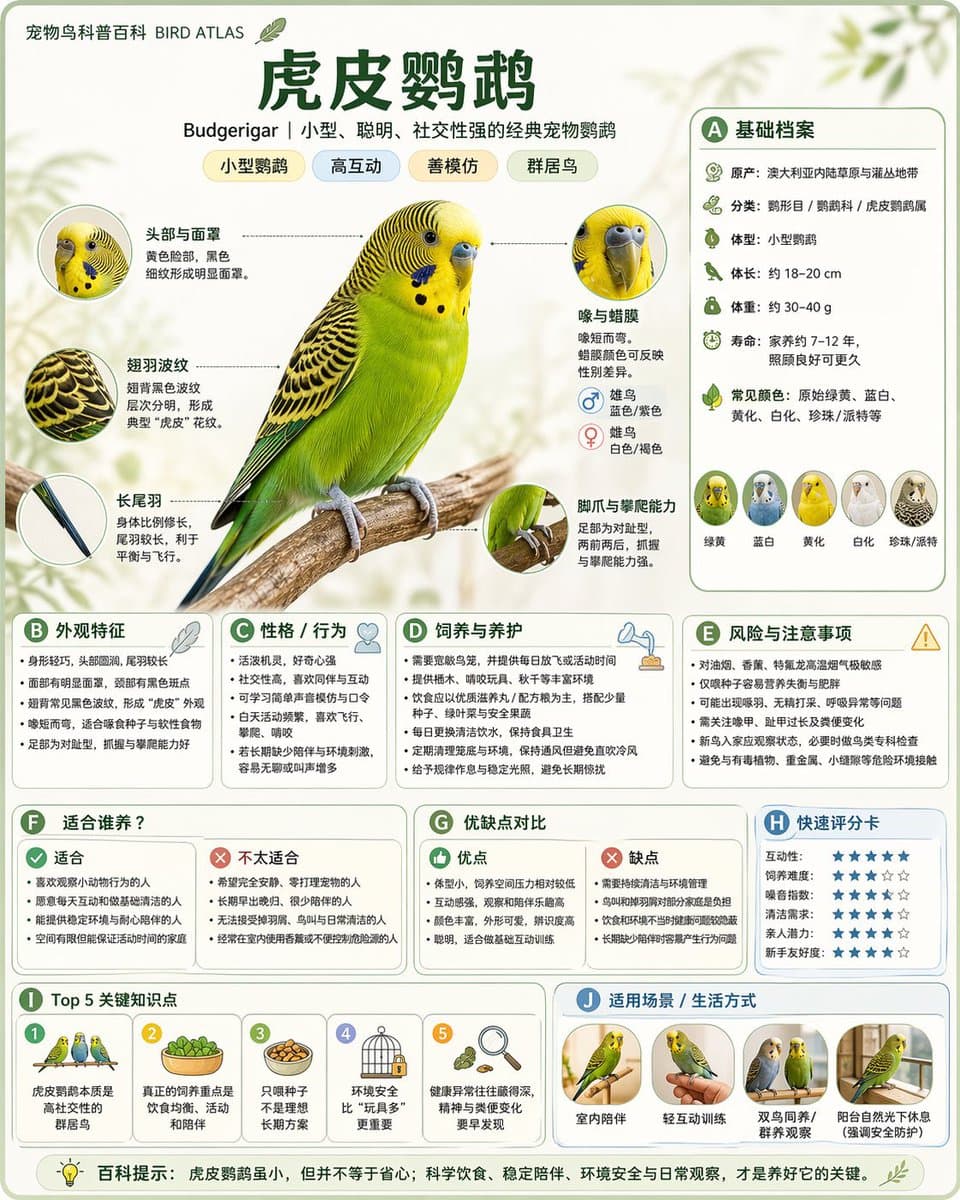
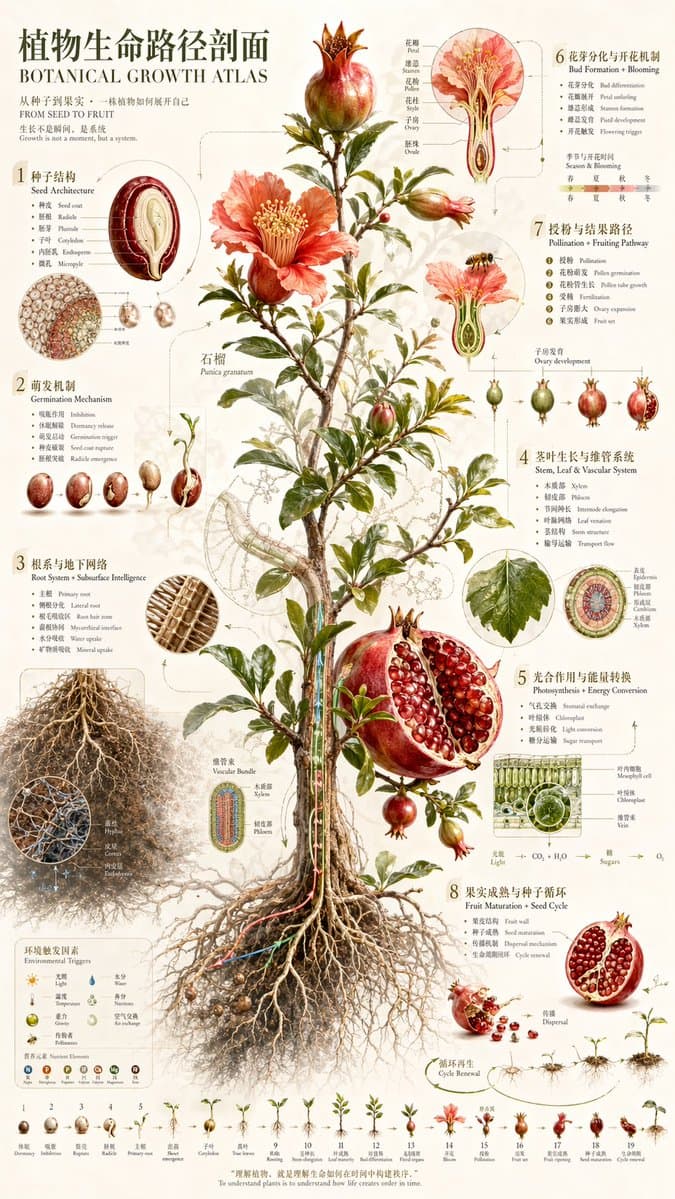
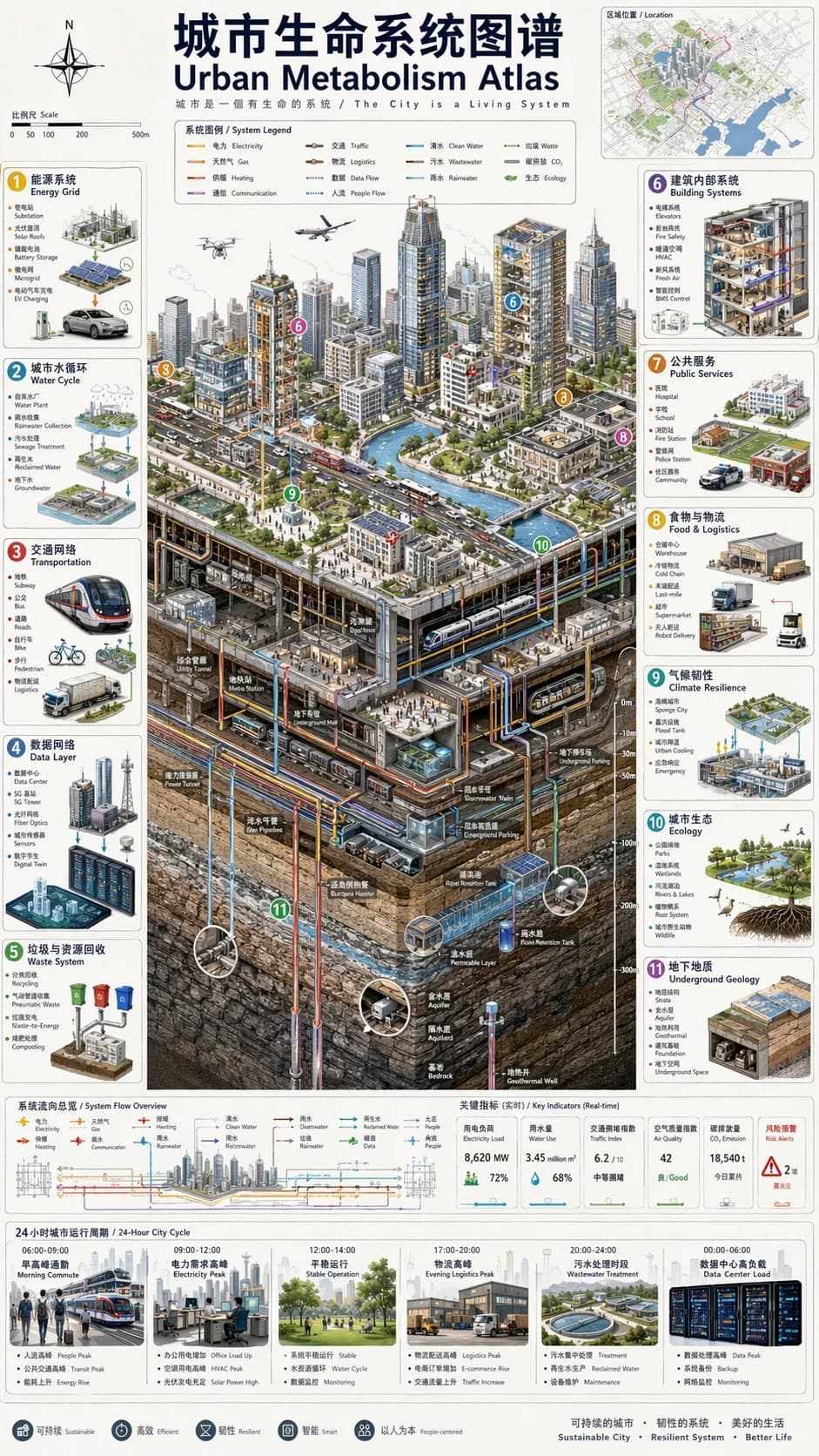
Vertical 9:16 isometric cutaway infographic "城市生命系统图谱 / Urban Metabolism Atlas". Smart city from sky to bedrock: skyscrapers, streets, subway, utility tunnels, water/sewage/gas/heating pipes, fiber, data center, flood tanks, aquifers, geothermal wells, bedrock. Color-coded flows for power/water/data/traffic/waste. 12 numbered panels bilingual CN/EN: 能源/水循环/交通/数据/垃圾/建筑/公共服务/ 物流/气候韧性/生态/地质/治理看板. 24h timeline at bottom. Style: engineering white paper + scientific atlas, light paper bg, crisp lines, 8K. No cyberpunk, no gibberish text, must show both above AND below ground.