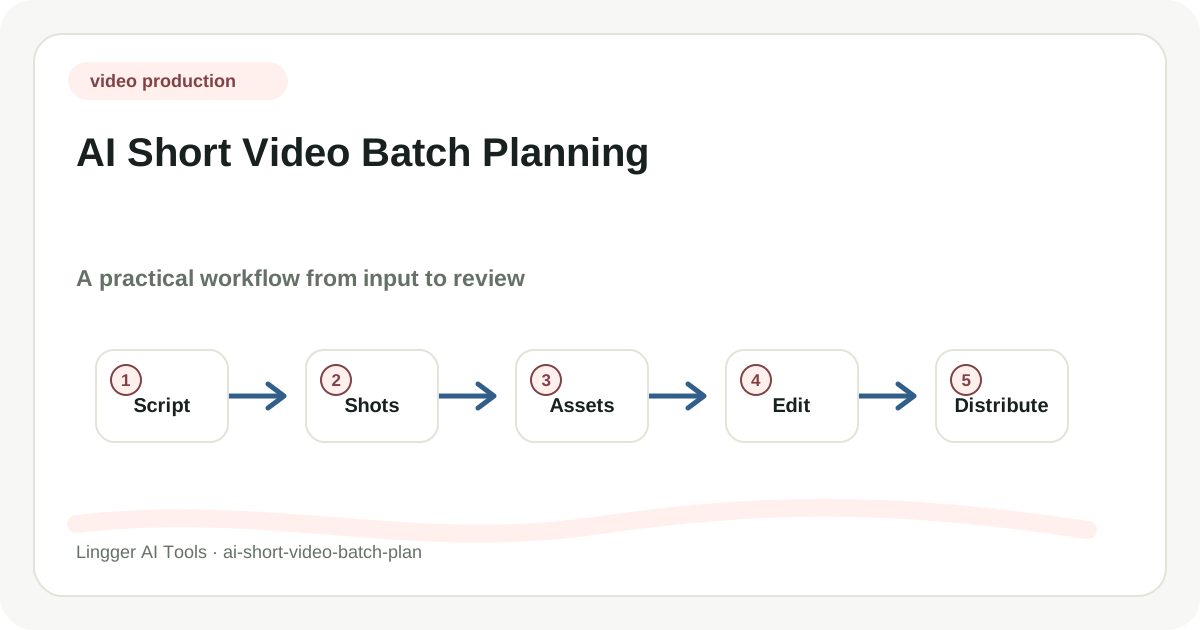
AI Short Video Batch Planning helps when it turns a vague video idea into production decisions. AI can propose scenes, hooks, edits, and voice options, but the team still needs to decide pacing, audience, reuse, and what must be filmed or verified by a person.
I would not ask Canva AI to solve AI Short Video Batch Planning as one oversized request. A better setup gives each tool a narrower job, keeps the source material visible, and leaves a review trail that another teammate can follow without reading the whole chat transcript.
Start with the real handoff
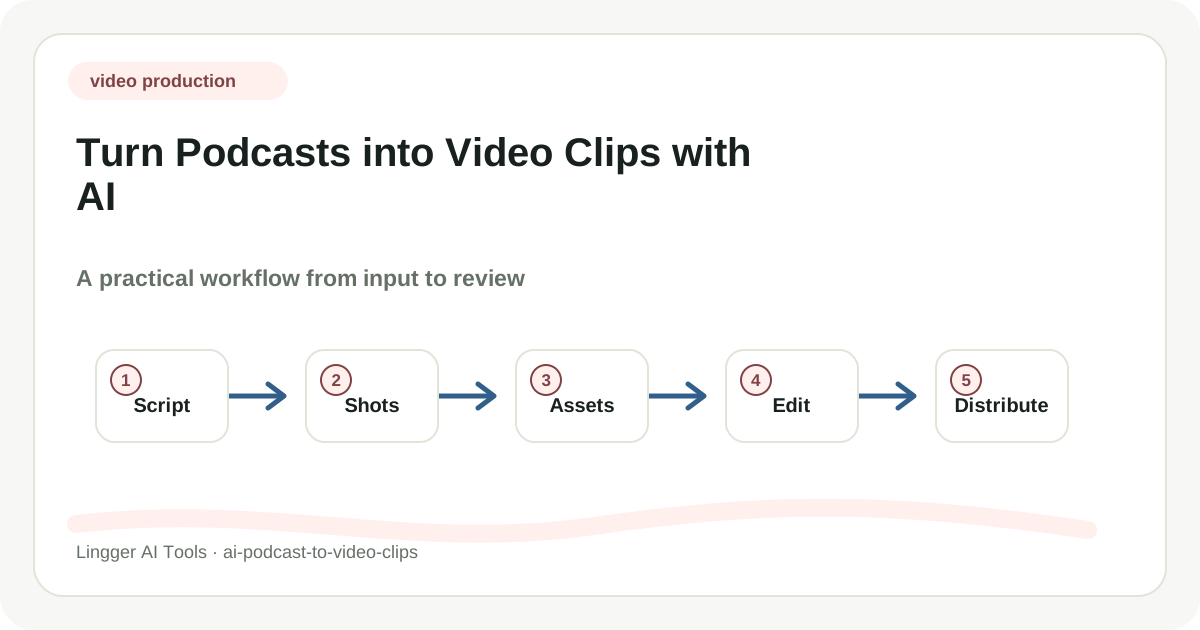
For AI Short Video Batch Planning, start with the deliverable the editor or producer needs next. A shot list, voiceover pass, batch plan, thumbnail concept, and repurposing map are different artifacts. When that artifact is named up front, the AI output can be judged by production usefulness rather than novelty.
A small first run is enough. Pick one real example, one owner, and one visible output. For AI Short Video Batch Planning, that means the result should name what was provided, what the model changed, what still needs a human call, and where the work goes next. If those pieces are missing, the output may be fluent, but it is not operational.
Build the working surface
A reliable AI Short Video Batch Planning workbench contains the source script or footage notes, the target platform, the scene or segment structure, and the review owner. Source material keeps the idea anchored. Platform context controls length and framing. Structure turns the work into cuts. Ownership prevents endless “maybe” versions.
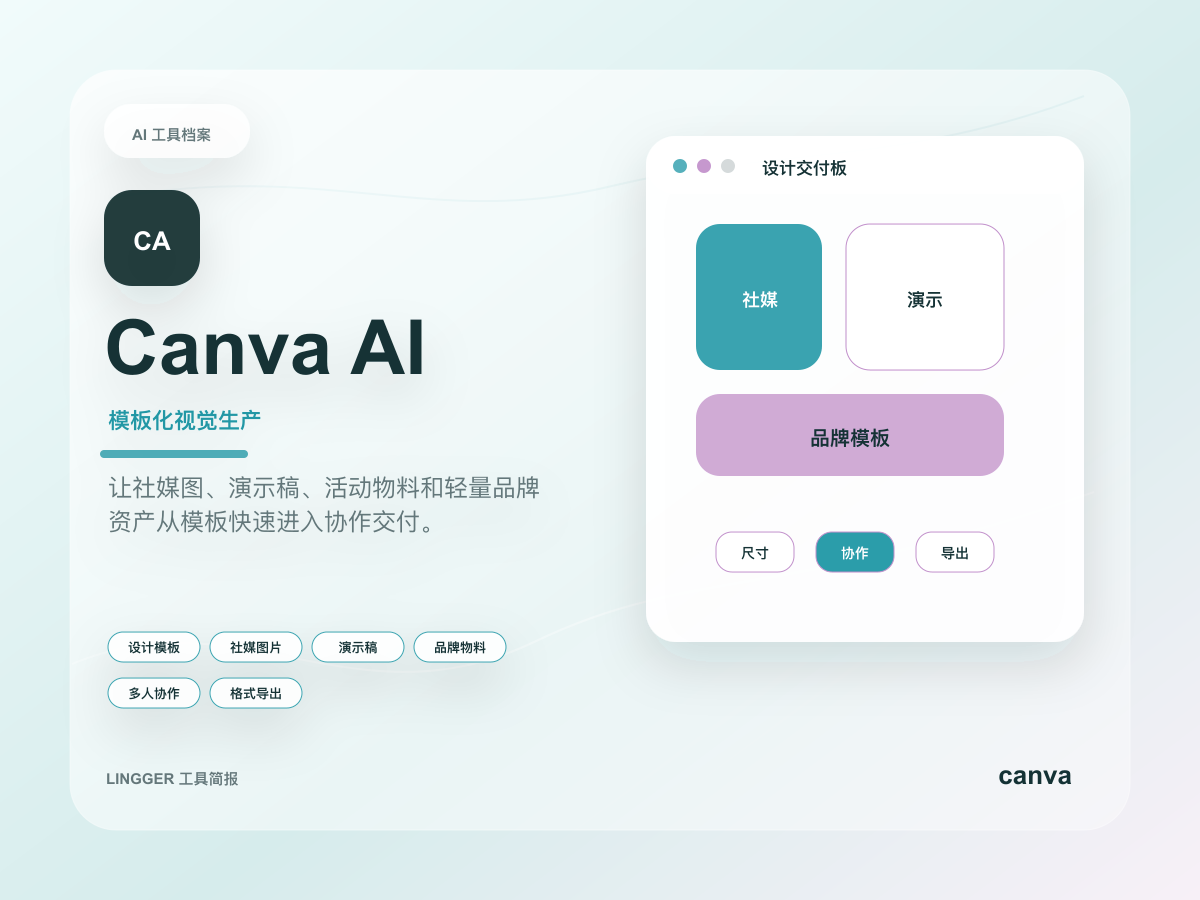
Canva AI can draft the first production layer, but AI Short Video Batch Planning has to survive the timeline. I would use the second tool to check pacing, visual fit, or platform needs, then bring in the final assistant for alternate shots, summaries, or edit notes. Each tool should make the next cut clearer for the producer.
Prompt for decisions, not decoration
For AI Short Video Batch Planning, ask Canva AI to draft the first production layer, use the design tool to check pacing or visual fit, and reserve the generation tool for alternate shots, summaries, or edit notes. The prompt should specify runtime, format, and what cannot be invented.
A good prompt for AI Short Video Batch Planning also asks the model to label uncertainty. I want separate sections for confirmed input, proposed output, assumptions, and questions for the human reviewer. That format is less theatrical than a single polished answer, but it is much easier to improve after the first run because weak inputs and weak reasoning are visible.
Review before reuse
Review AI Short Video Batch Planning by walking through the timeline. Does each beat have a purpose? Does the shot list match what can actually be produced? Are claims, pronunciations, captions, and reuse clips marked for human confirmation? The strongest AI video workflow makes the edit clearer before anyone opens the final timeline.
Product details still need a separate check. Canva AI can change feature names, pricing, limits, and availability. For AI Short Video Batch Planning, the durable advice is the workflow: where the tool belongs, what evidence it needs, what humans must verify, and how the team records what it learned.
Make the first loop small
Try AI Short Video Batch Planning on one short asset first. Keep the script, shot decisions, rejected options, and final notes in one place. After the first pass, improve the parts that saved editing time and remove the parts that created extra debate. That is how AI becomes a production assistant instead of another source of rough cuts.
After a few passes, AI Short Video Batch Planning should leave behind more than output. It should leave examples, rejection notes, and a sharper prompt that reflects how the team actually works. That is the sign the workflow is becoming reusable: not because every paragraph sounds the same, but because each run makes the next decision easier.